
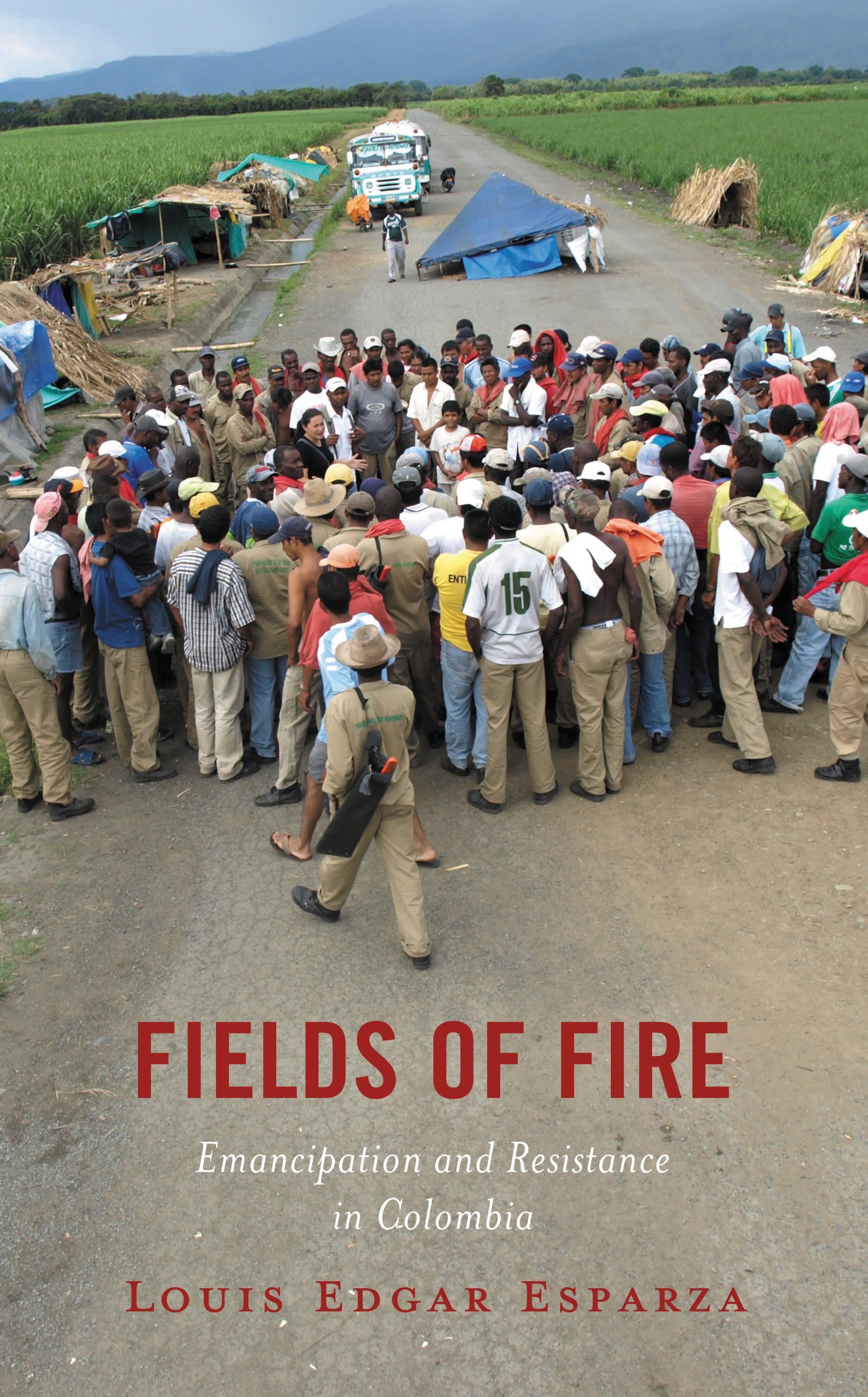
Fields of Fire: Emancipation and Resistance in Colombia identifies the concept of the emancipatory network as a coordination of loose, discrete, and differentiated actors to explain how activists successfully practice high-risk activism. Illustrating that previous studies on high-risk activism come to contradictory conclusions, Louis Edgar Esparza argues that networks rather than individual characteristics are associated with mobilization. The book features unique ethnographic material of a Colombian sugarcane worker strike and includes interviews with workers and human rights activists in Valle del Cauca and Bogotá that reveal different forms of knowledge that activists bring to a social movement. It argues that the combination of these different forms of knowledge bolsters the movement’s resiliency in the face of repression. The book provides a counterfactual chapter, illustrating a lack of mobilization where the emancipatory network is absent. Ultimately, it integrates English and Spanish-language social movement literatures, revealing important theoretical insights, and is detailed with data from various sources to outline the state context of social movement action.
Betal enkelt med kort, Klarna, Apple Pay eller Google Pay. Ikke fornøyd? Du har alltid 14 dagers angrerett. Les mer i våre vilkår. Har du spørsmål, send oss en e-post på hello@memmo.org.
Memmo gjør det enklere å studere – uansett hvor du er i verden. Hos oss samler du pensumbøker og smarte studieverktøy på ett og samme sted: sammendrag, quizer, podkaster og flashcards. Og så Ted, din studiekompis som svarer på alt du lurer på. Over 50 000 studenter studerer allerede her – bygget for at du skal lære raskere og stresse mindre.