
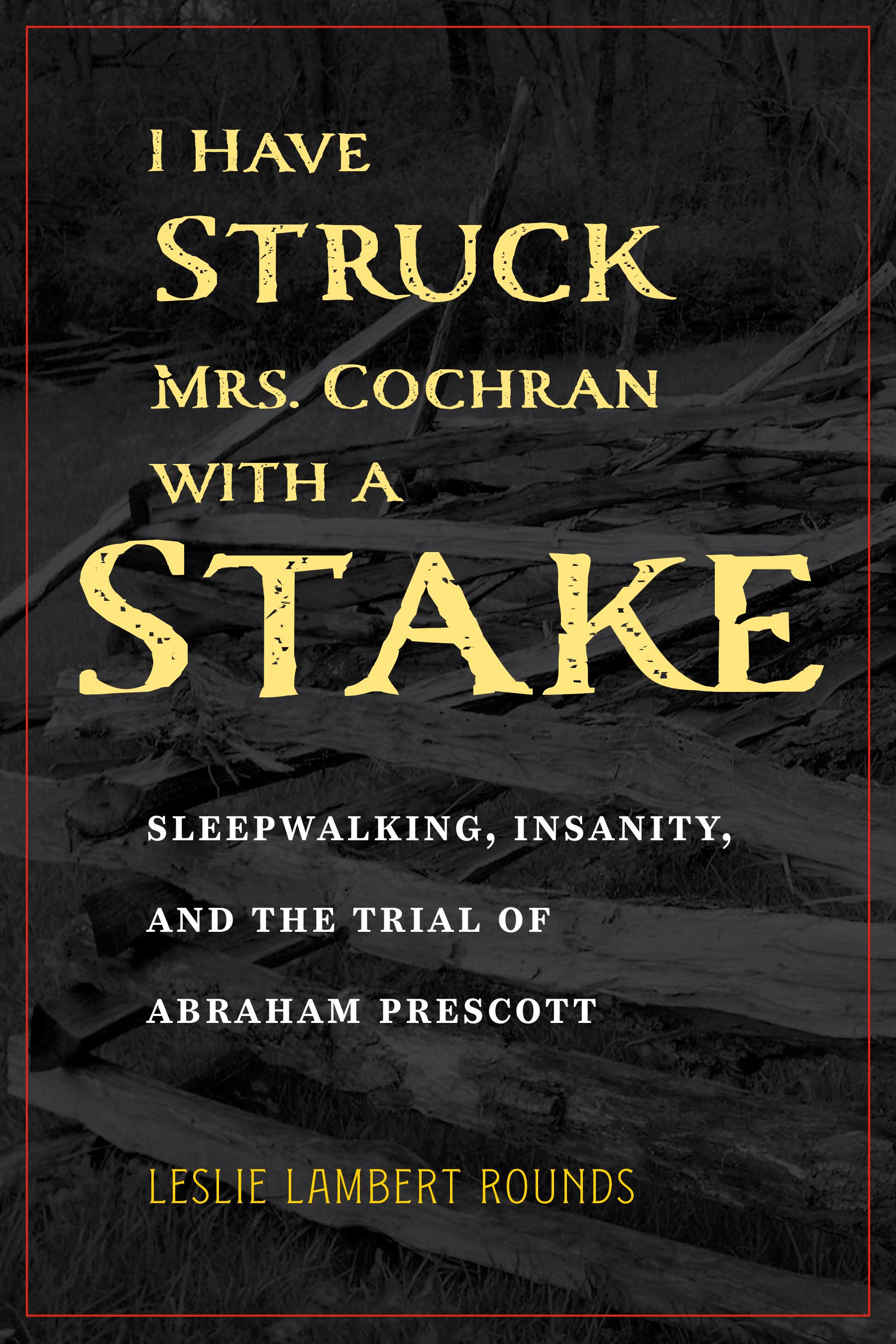
How the forgotten case of murder while sleepwalking changed history
After creeping out of bed on a frigid January night in 1832, teenage farmhand Abraham Prescott took up an ax and thrashed his sleeping employers to the brink of death. He later explained that he’d attacked Sally and Chauncey Cochran in his sleep. The Cochrans eventually recovered but—to the astonishment of their neighbors—kept Prescott on, somehow accepting his strange story.
This decision would come back to haunt them. While picking strawberries with Sally in an isolated field the following summer, Prescott used a fence post to violently kill the young mother. His explanation was again the same; he told Chauncey he’d fallen asleep and the next thing he knew, Sally was dead. Prescott’s attorneys would use both a sleepwalking claim and an insanity plea in his defense, despite the historically dismal success rates of these arguments. In the two murder trials that followed, Prescott was convicted and sentenced to death both times.
Prescott’s crime has landmark significance, however, notably because many believed the boy was mentally ill and should never have been executed. The case also highlights the discriminatory role class plays in the American justice system.
Using contemporaneous accounts as well as information from other insanity and sleepwalking defenses, author Leslie Lambert Rounds reconstructs the crime and raises important questions about privilege, societal discrimination against the mentally ill and the disadvantaged, and the unfortunate secondary role of women in history.
Betal enkelt med kort, Klarna, Apple Pay eller Google Pay. Ikke fornøyd? Du har alltid 14 dagers angrerett. Les mer i våre vilkår. Har du spørsmål, send oss en e-post på hello@memmo.org.
Memmo gjør det enklere å studere – uansett hvor du er i verden. Hos oss samler du pensumbøker og smarte studieverktøy på ett og samme sted: sammendrag, quizer, podkaster og flashcards. Og så Ted, din studiekompis som svarer på alt du lurer på. Over 50 000 studenter studerer allerede her – bygget for at du skal lære raskere og stresse mindre.