
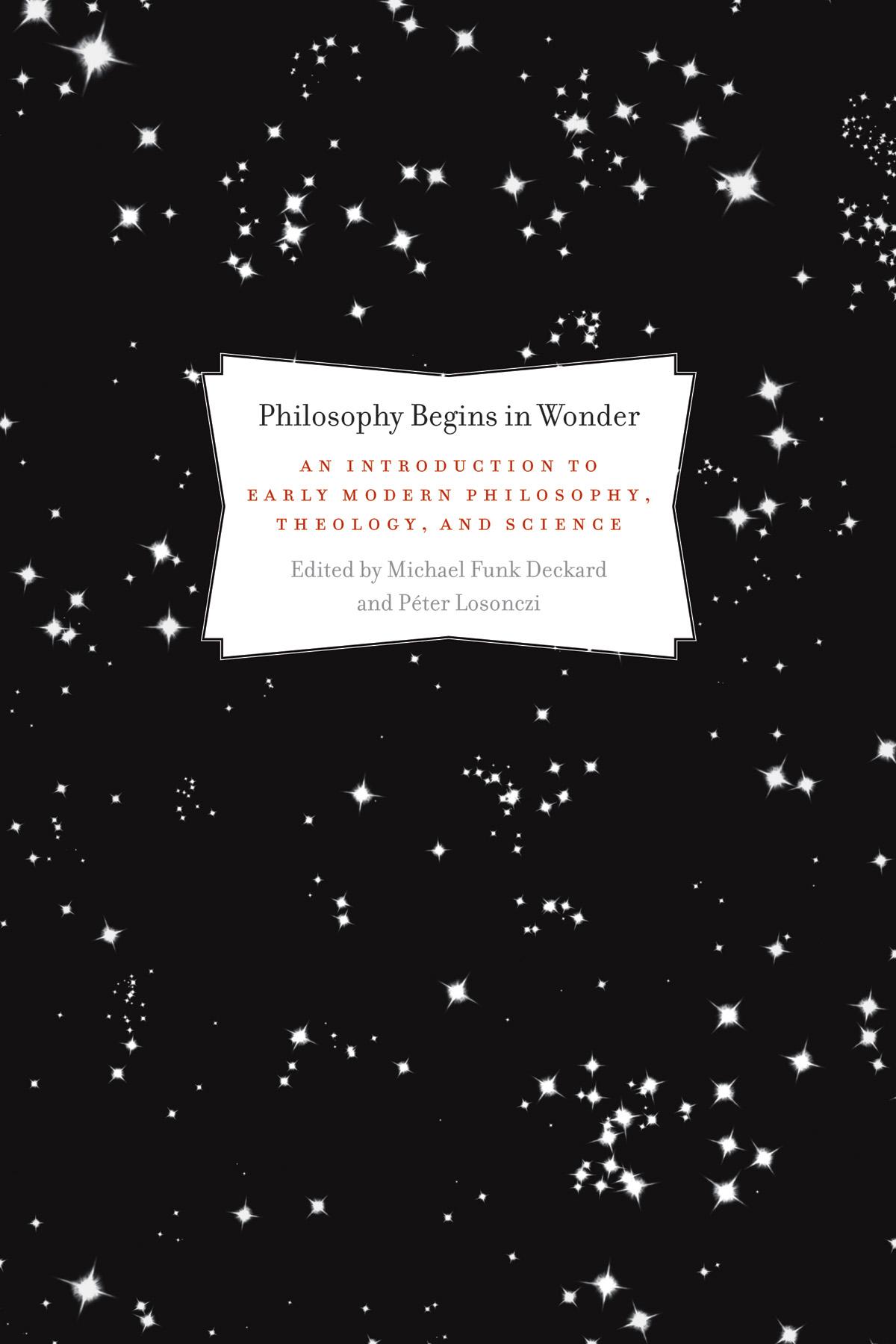
Philosophy begins with wonder, according to Plato and Aristotle. Yet Plato and Aristotle did not expand a great deal on what precisely wonder is. Does this fact alone not raise curiosity in us as to why this passion or concept is important? What is wonder's role in science, philosophy, or theology except to end thinking or theorizing as soon as one begins? The primary purpose of this book is to show how seventeenth- and eighteenth-century developments in natural theology, metaphysics, epistemology, ethics, aesthetics, and the philosophy of science resulted in a complex history of the passion of wonder-a history in which the elements of continuation, criticism, and reformulation are equally present. Philosophy Begins in Wonder provides the first historical overview of wonder and changes the way we see early modern Europe. It is intended for readers who are curious-who wonder-about how modern philosophy and science were born. The book is for scholars and educated readers alike.
Betal enkelt med kort, Klarna, Apple Pay eller Google Pay. Ikke fornøyd? Du har alltid 14 dagers angrerett. Les mer i våre vilkår. Har du spørsmål, send oss en e-post på hello@memmo.org.
Memmo gjør det enklere å studere – uansett hvor du er i verden. Hos oss samler du pensumbøker og smarte studieverktøy på ett og samme sted: sammendrag, quizer, podkaster og flashcards. Og så Ted, din studiekompis som svarer på alt du lurer på. Over 50 000 studenter studerer allerede her – bygget for at du skal lære raskere og stresse mindre.
Du vil kanskje også like
Kjøp boken0