
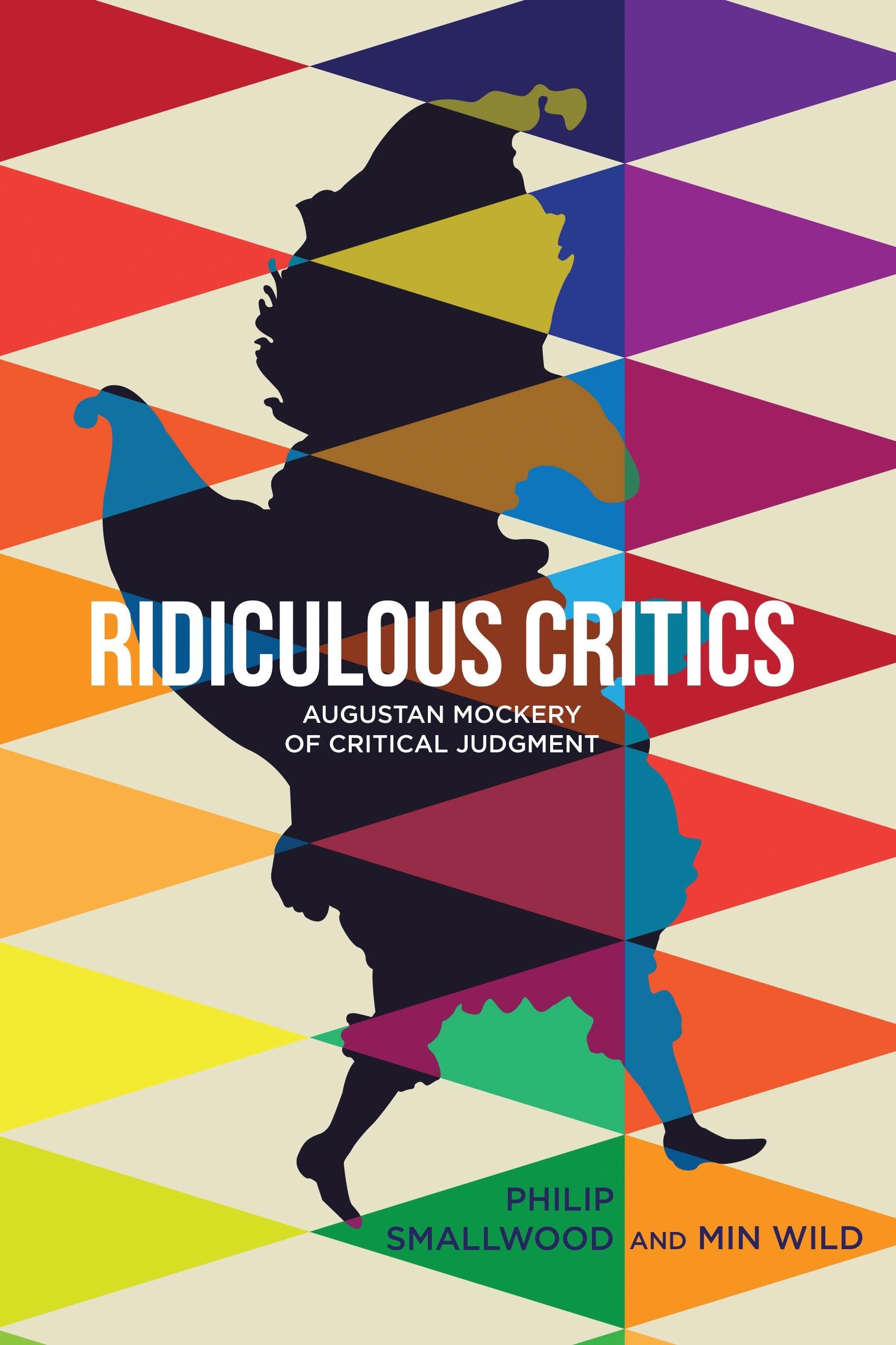
Ridiculous Critics is an anthology of eighteenth-century writings on the figure of the literary critic, and on the critic’s mixed and complex role. The collection assembles critical texts and satirical images chronologically to suggest a vision of the history of eighteenth-century literary criticism. Including comic, vicious, heartfelt and absurd passages from critics, poets, novelists and literary commentators celebrated and obscure, the writings range through poetry, fiction, drama, and periodical writing.
The anthology also includes two original essays discussing and illustrating the irrepressible spirit of critical ridicule in the period, and commending its value and effect. The first offers an evaluation of the merciless and sometimes shockingly venomous satirical attacks on critical habits and personalities of the eighteenth century. The editors argue that such attacks are reflexive, in the sense that criticism becomes increasingly supple and able to observe and examine its own irresponsible ingenuities from within. The volume’s concluding essay supplies an analysis of modern modes of criticism and critical history, and suggests applications across time. We propose that humor’s vital force was once an important part of living criticism.
The eighteenth-century mockery of critics casts light on a neglected common thread in the history of criticism and its recent manifestations; it prompts questions about the relative absence of comedy from the stories we presently tell about critics dead or alive. The passages invite laughter, both with the critics and at their expense, and suggest the place that ridicule might have had since the eighteenth century in the making of judgments, and in the pricking of critical pretension. For this reason, they indicate the role that laughter may still have in criticism today and provide an encouraging precedent for its future.
The anthology also includes two original essays discussing and illustrating the irrepressible spirit of critical ridicule in the period, and commending its value and effect. The first offers an evaluation of the merciless and sometimes shockingly venomous satirical attacks on critical habits and personalities of the eighteenth century. The editors argue that such attacks are reflexive, in the sense that criticism becomes increasingly supple and able to observe and examine its own irresponsible ingenuities from within. The volume’s concluding essay supplies an analysis of modern modes of criticism and critical history, and suggests applications across time. We propose that humor’s vital force was once an important part of living criticism.
The eighteenth-century mockery of critics casts light on a neglected common thread in the history of criticism and its recent manifestations; it prompts questions about the relative absence of comedy from the stories we presently tell about critics dead or alive. The passages invite laughter, both with the critics and at their expense, and suggest the place that ridicule might have had since the eighteenth century in the making of judgments, and in the pricking of critical pretension. For this reason, they indicate the role that laughter may still have in criticism today and provide an encouraging precedent for its future.
Sider: 244
Kategori: Litteraturvetenskap & Teori
e-ISBN: 9781611486155
Fraktvekt: 1.2 kg
Sendes innen: 1-2 dager
Betal enkelt med kort, Klarna, Apple Pay eller Google Pay. Ikke fornøyd? Du har alltid 14 dagers angrerett. Les mer i våre vilkår. Har du spørsmål, send oss en e-post på hello@memmo.org.
Memmo gjør det enklere å studere – uansett hvor du er i verden. Hos oss samler du pensumbøker og smarte studieverktøy på ett og samme sted: sammendrag, quizer, podkaster og flashcards. Og så Ted, din studiekompis som svarer på alt du lurer på. Over 50 000 studenter studerer allerede her – bygget for at du skal lære raskere og stresse mindre.