
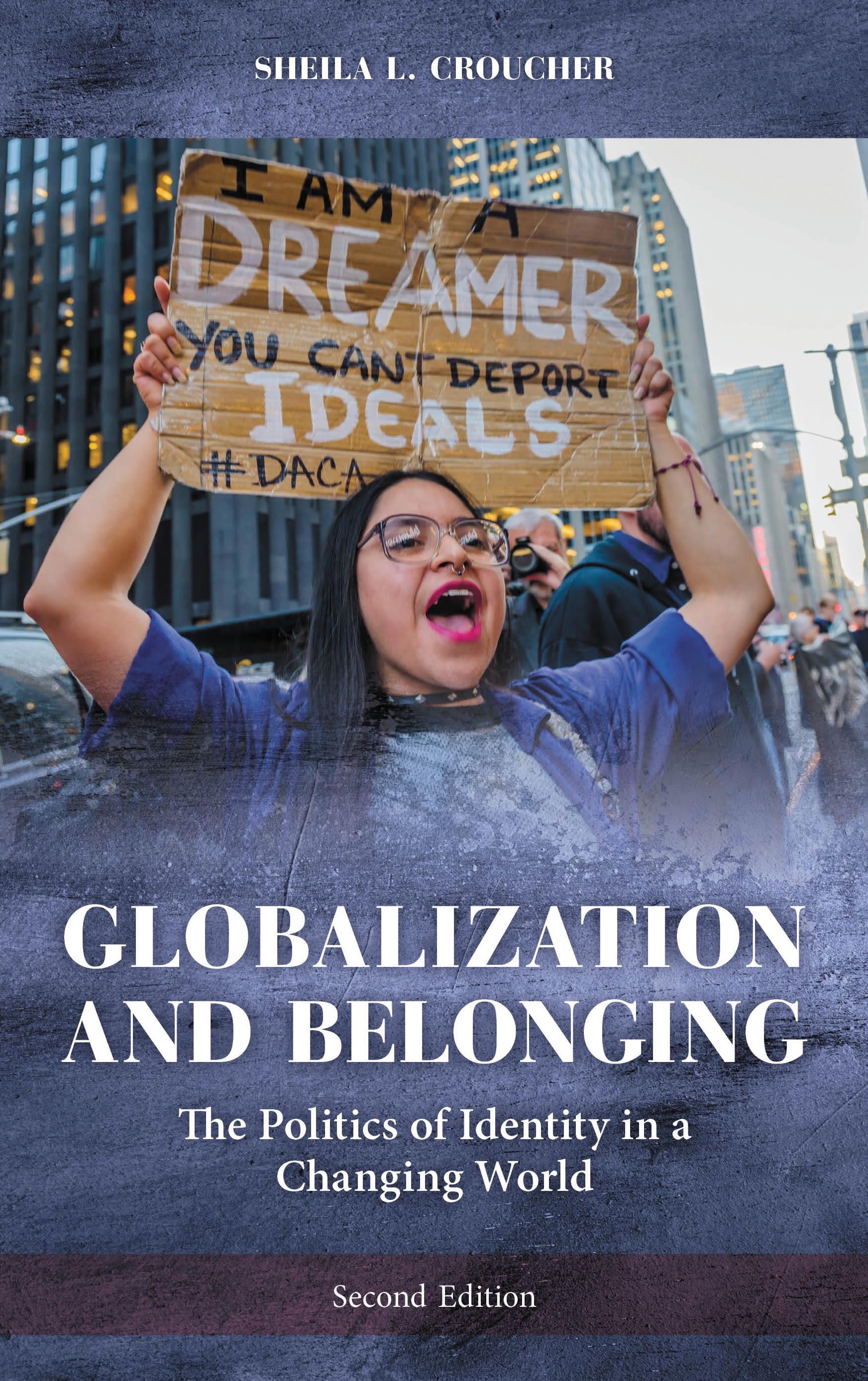
In the decades since the September 11, 2001, terrorist attacks on the United States forces of cultural, economic, and political integration appear locked in battle with equally powerful forces of fragmentation. Globalization is facilitating unprecedented movement of goods, services, people, and ideas, while calls for building walls, erecting fences, and strengthening borders intensify. Tensions flare around claims of deeply rooted ethnic and civilizational identities—identities that are shaped and mobilized via sophisticated advances in technology. Women worldwide are achieving remarkable economic and political gains while sexual violence and gender inequalities persist and are fueled by rapid global change.
This book explores the complex inter-relationship between globalization and belonging. In a hyper-modern, 21st-century world, questions and conflicts surrounding who ‘we’ are and who ‘we’ want to be predominate. This book links the politics of different forms of identification and attachment to the dynamics of an increasingly interconnected world.
This book explores the complex inter-relationship between globalization and belonging. In a hyper-modern, 21st-century world, questions and conflicts surrounding who ‘we’ are and who ‘we’ want to be predominate. This book links the politics of different forms of identification and attachment to the dynamics of an increasingly interconnected world.
Betal enkelt med kort, Klarna, Apple Pay eller Google Pay. Ikke fornøyd? Du har alltid 14 dagers angrerett. Les mer i våre vilkår. Har du spørsmål, send oss en e-post på hello@memmo.org.
Memmo gjør det enklere å studere – uansett hvor du er i verden. Hos oss samler du pensumbøker og smarte studieverktøy på ett og samme sted: sammendrag, quizer, podkaster og flashcards. Og så Ted, din studiekompis som svarer på alt du lurer på. Over 50 000 studenter studerer allerede her – bygget for at du skal lære raskere og stresse mindre.