
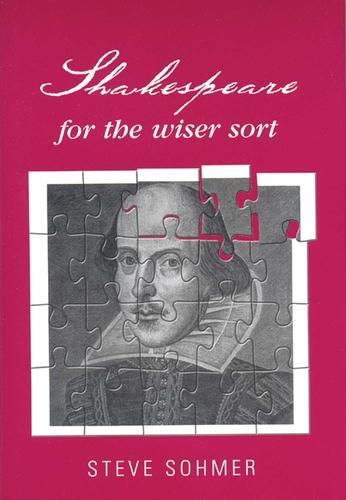
William Shakespeare’s plays are riddled with passages, scenes and sudden plot twists which baffle and confound the most devoted playgoer and the most attentive commentator. Why, for example, didn’t Hamlet succeed to the throne of Denmark at the instant of his father’s death? (It’s not because the Danish throne was elective.) Why does Chorus in Romeo and Juliet promise his audience ‘two houres trafficke of our stage’ when the play obviously runs almost three hours? How is it that Old Hamlet sent his son to school in (Protestant) Wittenberg but his Ghost was sent to (Catholic) Purgatory? and is there cause-and-effect here? How can Lancelot Gobbo be correct (and he is) when he claims Black Monday (the day after Easter) and Ash Wednesday (the 41st day before Easter) once fell on the same day? And what is a ‘dram of eale’? This engaging and lucid book solves these tantalizing riddles and many others.
Betal enkelt med kort, Klarna, Apple Pay eller Google Pay. Ikke fornøyd? Du har alltid 14 dagers angrerett. Les mer i våre vilkår. Har du spørsmål, send oss en e-post på hello@memmo.org.
Memmo gjør det enklere å studere – uansett hvor du er i verden. Hos oss samler du pensumbøker og smarte studieverktøy på ett og samme sted: sammendrag, quizer, podkaster og flashcards. Og så Ted, din studiekompis som svarer på alt du lurer på. Over 50 000 studenter studerer allerede her – bygget for at du skal lære raskere og stresse mindre.
Du vil kanskje også like
Kjøp boken0