
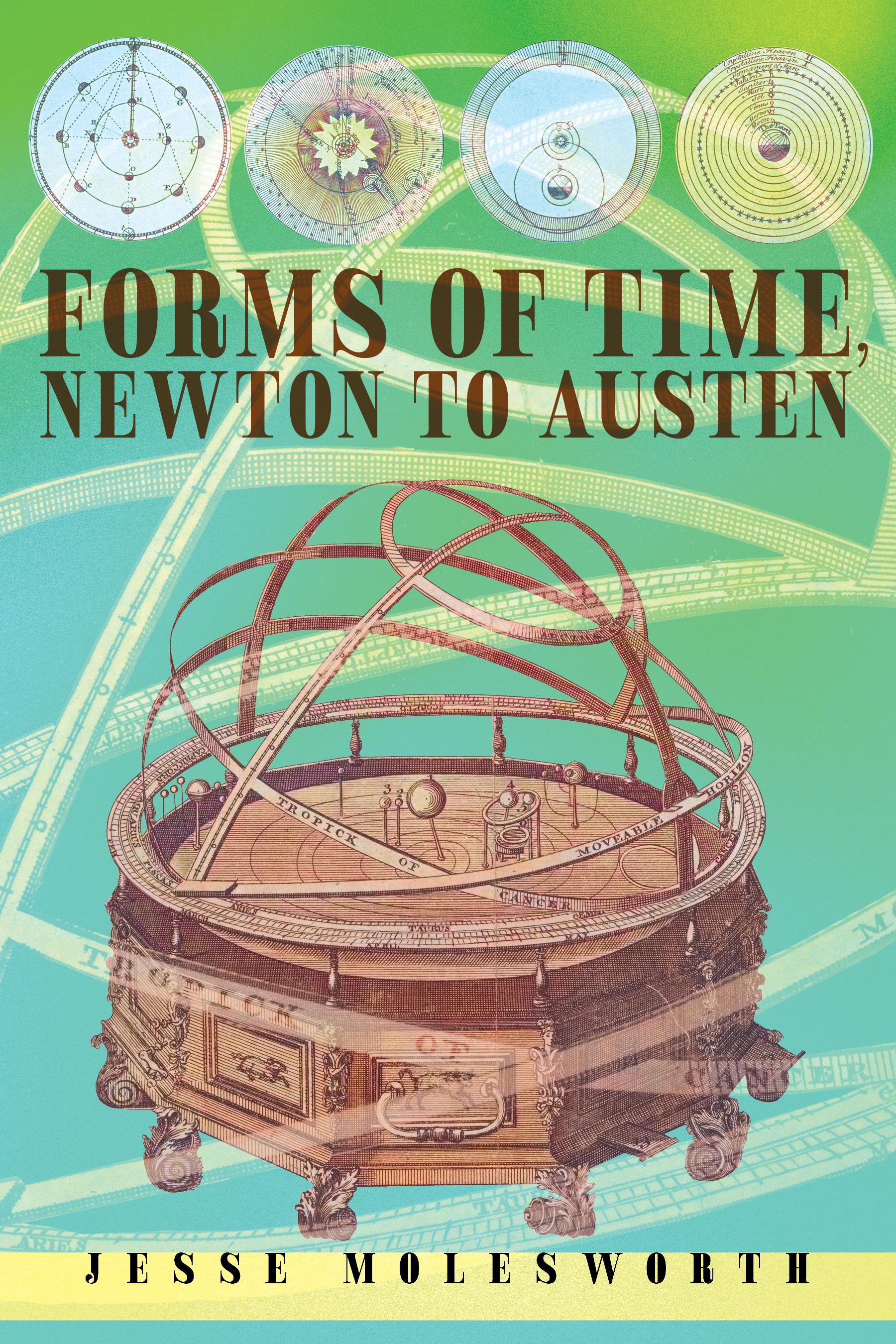
Between 1700 and 1800, the English-speaking world came to terms with one of modernity's most fundamental ideas: the separation of time from its measure, or what Newton described as the distinction between "absolute" and "relative" time. Jesse Molesworth argues that most experienced this encounter not firsthand, through direct exposure to Newton's writings, but secondhand, through a variety of smaller encounters in art, science, culture, and literature.
Enriching our understanding of the connection between science and literature, Forms of Time, Newton to Austen offers the rise of the novel as a case study to examine the relationship between transformations in culture and transformations in literary forms. Through incisive readings of works by Samuel Richardson, Laurence Sterne, Horace Walpole, Ann Radcliffe, Jane Austen, and others, Molesworth reveals that the novel arose by making visible what culture does not or cannot see itself. The emergent "realist" novel did not adopt Newtonian claims wholesale. While the novel accommodated the new physicalist sense of "absolute time" in theme, its formal techniques offered something else: an escape, however temporary, from the claims made by Newtonian time.
Betal enkelt med kort, Klarna, Apple Pay eller Google Pay. Ikke fornøyd? Du har alltid 14 dagers angrerett. Les mer i våre vilkår. Har du spørsmål, send oss en e-post på hello@memmo.org.
Memmo gjør det enklere å studere – uansett hvor du er i verden. Hos oss samler du pensumbøker og smarte studieverktøy på ett og samme sted: sammendrag, quizer, podkaster og flashcards. Og så Ted, din studiekompis som svarer på alt du lurer på. Over 50 000 studenter studerer allerede her – bygget for at du skal lære raskere og stresse mindre.