
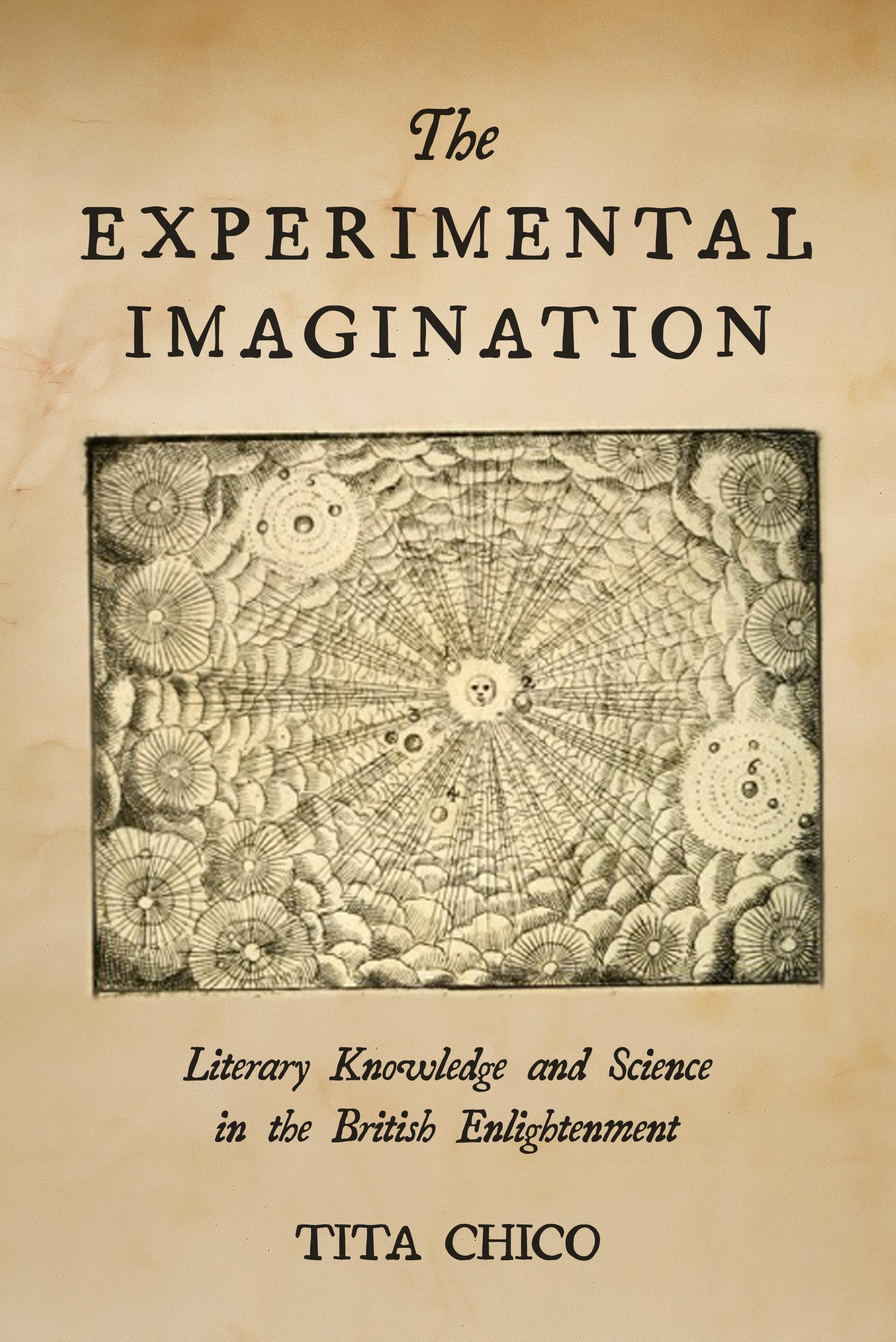
Challenging the "two cultures" debate, The Experimental Imagination tells the story of how literariness came to be distinguished from its epistemological sibling, science, as a source of truth about the natural and social worlds in the British Enlightenment. Tita Chico shows that early science relied on what she calls literary knowledge to present its experimental findings. More radically, she contends that science was made intellectually possible because its main discoveries and technologies could be articulated in literary terms. While early scientists deployed metaphor to describe the phenomena they defined and imagination to cast themselves as experimentalists, literary writers used scientific metaphors to make the case for the epistemological superiority of literary knowledge. Drawing on literature as well as literary language, tropes, and interpretive methods, literary knowledge challenges our dominant narrative of the scientific revolution as the sine qua non of epistemological innovation in the British Enlightenment. With its recourse to imagination as a more reliable source of truth than any empirical account, literary knowledge facilitates a redefinition of authority and evidence, as well as of the self and society, implicitly articulating the difference that would come to distinguish the arts and sciences.
Betal enkelt med kort, Klarna, Apple Pay eller Google Pay. Ikke fornøyd? Du har alltid 14 dagers angrerett. Les mer i våre vilkår. Har du spørsmål, send oss en e-post på hello@memmo.org.
Memmo gjør det enklere å studere – uansett hvor du er i verden. Hos oss samler du pensumbøker og smarte studieverktøy på ett og samme sted: sammendrag, quizer, podkaster og flashcards. Og så Ted, din studiekompis som svarer på alt du lurer på. Over 50 000 studenter studerer allerede her – bygget for at du skal lære raskere og stresse mindre.