
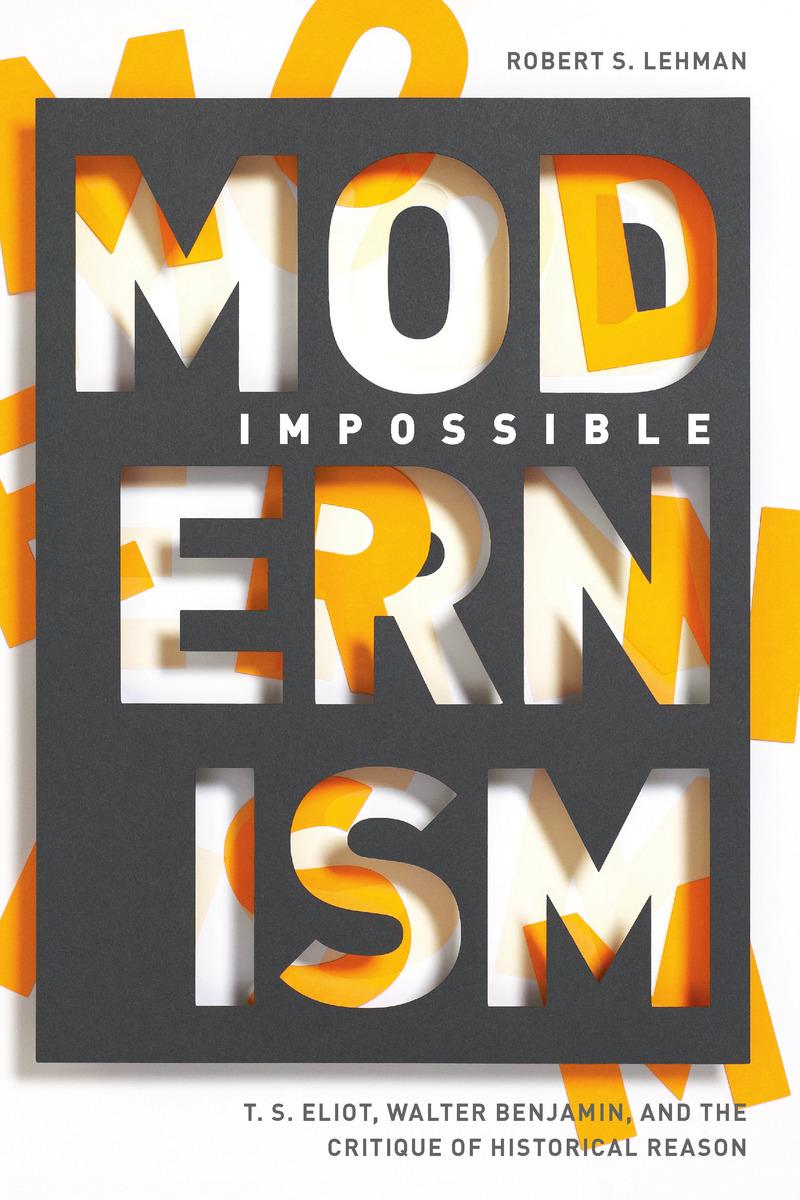
Impossible Modernism reads the writings of German philosopher and critic Walter Benjamin (1892–1940) and Anglo-American poet and critic T. S. Eliot (1888–1965) to examine the relationship between literary and historical form during the modernist period. It focuses particularly on how they both resisted the forms of narration established by nineteenth-century academic historians and turned instead to traditional literary devices—lyric, satire, anecdote, and allegory—to reimagine the forms that historical representation might take. Tracing the fraught relationship between poetry and history back to Aristotle's Poetics and forward to Nietzsche's Untimely Meditations, Robert S. Lehman establishes the coordinates of the intellectual-historical problem that Eliot and Benjamin inherited and offers an analysis of how they grappled with this legacy in their major works.
Betal enkelt med kort, Klarna, Apple Pay eller Google Pay. Ikke fornøyd? Du har alltid 14 dagers angrerett. Les mer i våre vilkår. Har du spørsmål, send oss en e-post på hello@memmo.org.
Memmo gjør det enklere å studere – uansett hvor du er i verden. Hos oss samler du pensumbøker og smarte studieverktøy på ett og samme sted: sammendrag, quizer, podkaster og flashcards. Og så Ted, din studiekompis som svarer på alt du lurer på. Over 50 000 studenter studerer allerede her – bygget for at du skal lære raskere og stresse mindre.