
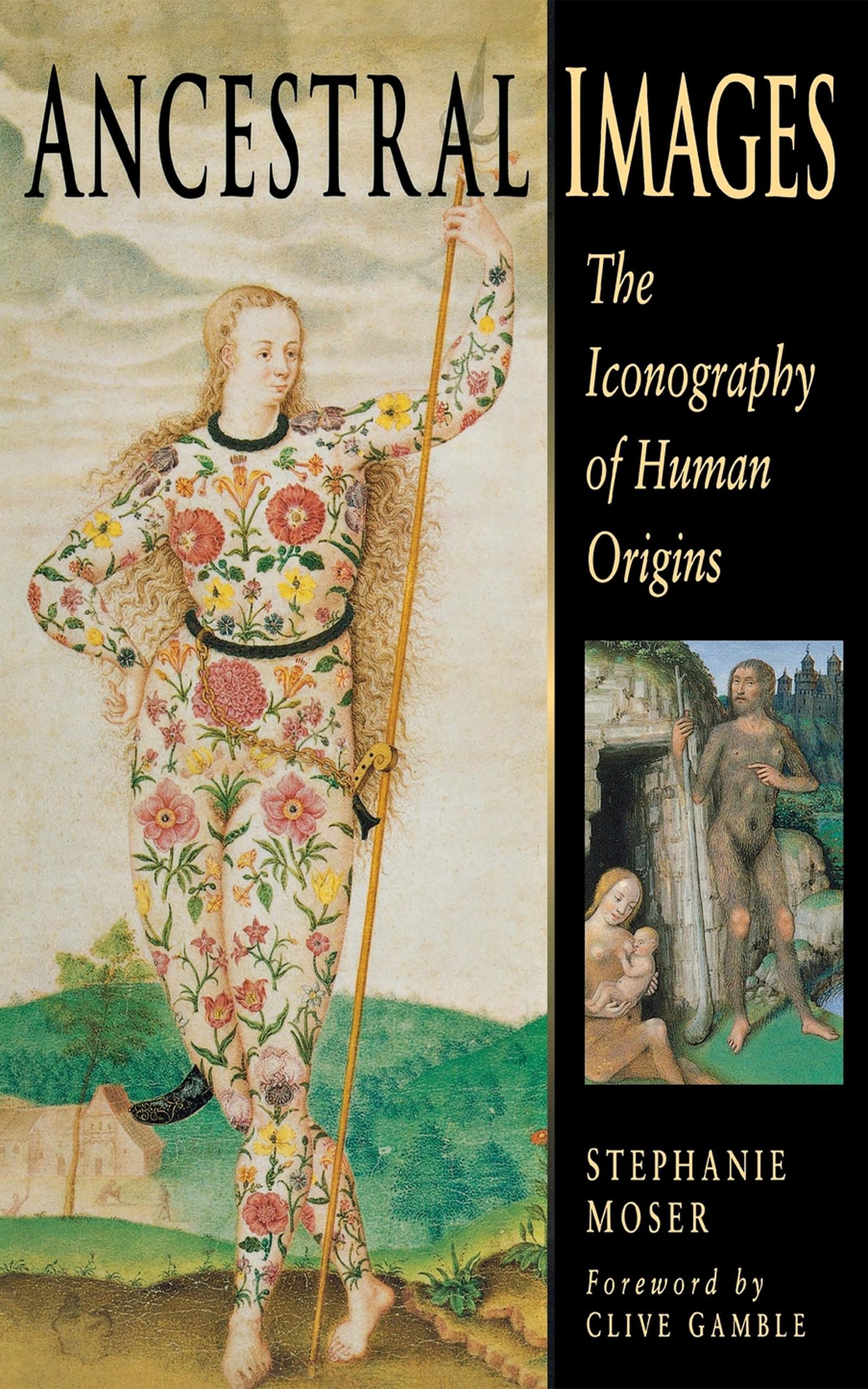
Pictorial reconstructions of ancient human ancestors have twin purposes: to make sense of shared ancestry and to bring prehistory to life. Stephanie Moser analyzes the close relationship between representations of the past and theories about human evolution, showing how this relationship existed even before a scientific understanding of human origins developed. How did mythological, religious, and historically inspired visions of the past, in existence for centuries, shape this understanding? Moser treats images as primary documents, and her book is lavishly illustrated with engravings, paintings, photographs, and reconstructions.
In surveying the iconography of prehistory, Moser explores visions of human creation from their origins in classical, early Christian, and medieval periods through traditions of representation initiated in the Renaissance. She looks closely at the first scientific reconstructions of the nineteenth century, which dramatized and made comprehensible the Darwinian theory of human descent from apes. She considers, as well, the impact of reconstructions on popular literature in Europe and North America, showing that early visualizations of prehistory retained a firm hold on the imagination—a hold that archaeologists and anthropologists have found difficult to shake.
Betal enkelt med kort, Klarna, Apple Pay eller Google Pay. Ikke fornøyd? Du har alltid 14 dagers angrerett. Les mer i våre vilkår. Har du spørsmål, send oss en e-post på hello@memmo.org.
Memmo gjør det enklere å studere – uansett hvor du er i verden. Hos oss samler du pensumbøker og smarte studieverktøy på ett og samme sted: sammendrag, quizer, podkaster og flashcards. Og så Ted, din studiekompis som svarer på alt du lurer på. Over 50 000 studenter studerer allerede her – bygget for at du skal lære raskere og stresse mindre.