
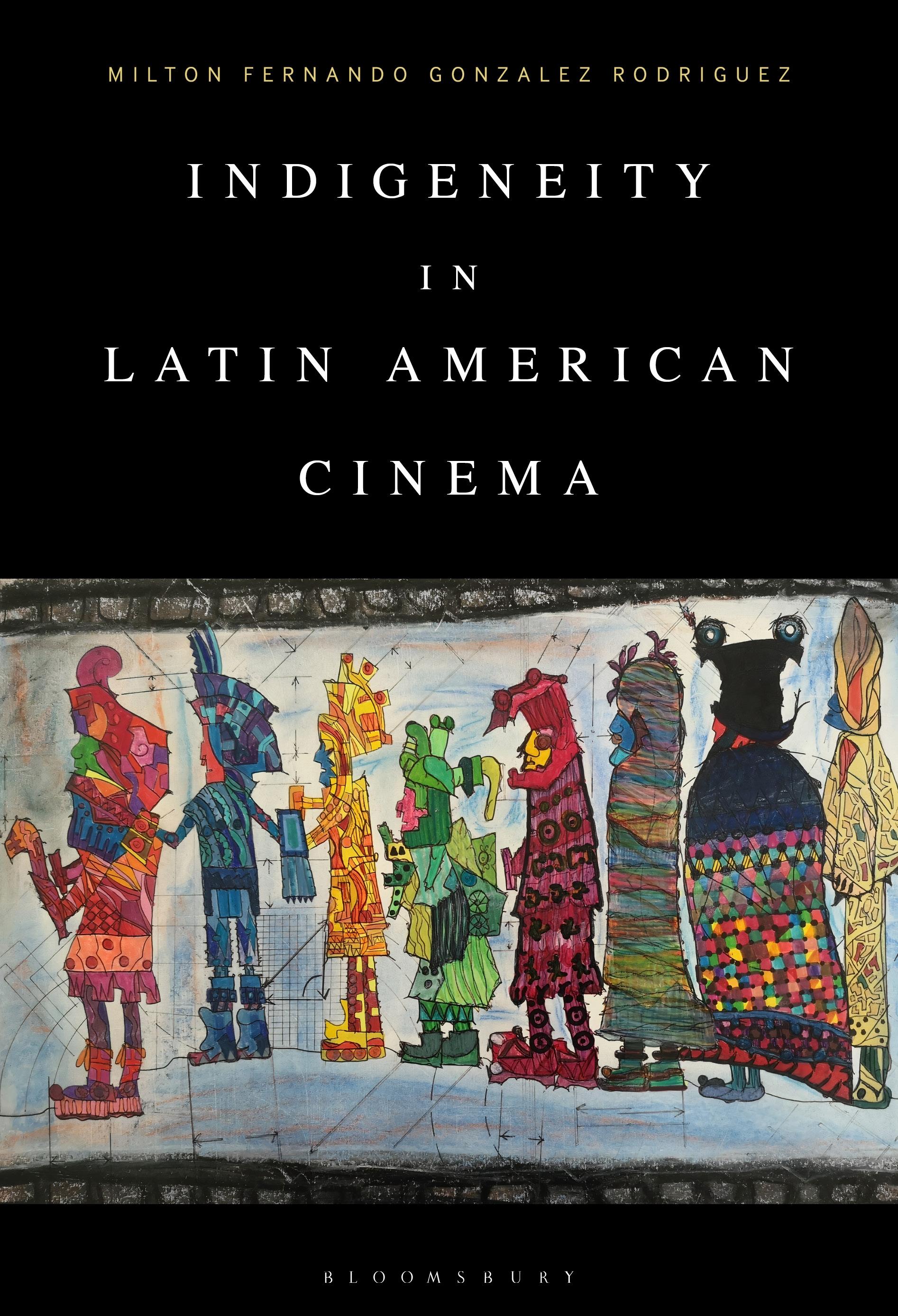
Indigeneity in Latin American Cinema explores how contemporary films (2000-2020) participate in the evolution and circulation of images and sounds that in many ways define how indigenous communities are imagined, at a local, regional and global scale. The volume reviews the diversity of portrayals from a chronological, geopolitical, linguistic, epistemic-ontological, transnational and intersectional, paradigm-changing and self-representational perspective, allocating one chapter to each theme. The corpus of this study consists of 68 fictional features directed by non-indigenous filmmakers, 31 cinematic works produced by indigenous directors/communities, and 22 Cine Regional (Regional Cinema) films. The book also draws upon a significant number of engravings, drawings, paintings, photographs and films, produced between 1493 and 2000, as primary sources for the historical review of the visual representations of indigeneity. Through content and close (textual) analysis, interviews with audiences, surveys and social media posts analysis, the author looks at the contexts in which Latin American films circulate in international festivals and the paradigm shifts introduced by self-representational cinema and Roma (Mexico, 2018). Conclusively, the author provides the foundations of histrionic indigeneity, a theory that explains how overtly histrionic proclivities play a significant role in depictions of an imagined indigenous Other in recent films.
Betal enkelt med kort, Klarna, Apple Pay eller Google Pay. Ikke fornøyd? Du har alltid 14 dagers angrerett. Les mer i våre vilkår. Har du spørsmål, send oss en e-post på hello@memmo.org.
Memmo gjør det enklere å studere – uansett hvor du er i verden. Hos oss samler du pensumbøker og smarte studieverktøy på ett og samme sted: sammendrag, quizer, podkaster og flashcards. Og så Ted, din studiekompis som svarer på alt du lurer på. Over 50 000 studenter studerer allerede her – bygget for at du skal lære raskere og stresse mindre.