
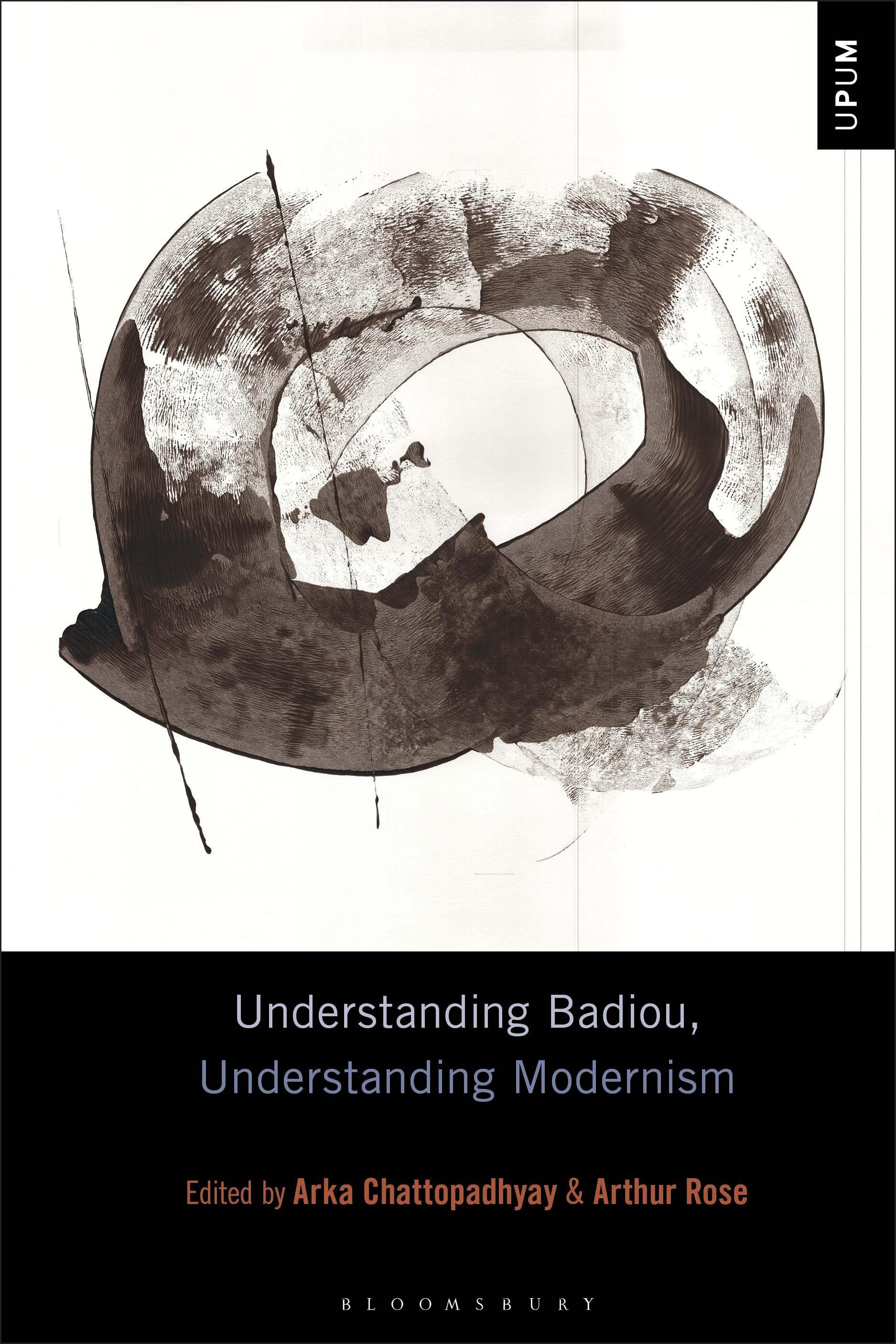
In his philosophical project, aesthetic orientation and political leanings, Alain Badiou is a product of, and a leading advocate for, European modernism.
From the milieu of May 1968 to the contemporary 'postmodern' ethos, Badiou returns, time and again, to avant-garde modernist texts – aesthetic, political, philosophical and scientific – as inspiration for his response to present situations. Drawing upon disciplines as varied as architecture, cinema, theatre, music, history, mathematics, poetry and philosophy, Understanding Badiou, Understanding Modernism shows how Badiou's contribution to philosophy must be understood within the context of his decades-long conversation with modernist thinking.
As with other volumes in the series, Understanding Badiou, Understanding Modernism follows a three part structure. The first section explores Badiou's readings of aesthetic, political and scientific modernities; both introducing his system and pointing to how Badiou offers manifold readings of modernism. The middle portion of the book connects Badiou's thought with the various strands of aesthetic, philosophical, amorous and political modernisms in relation to which it can be extended. The final section is a glossary of key concepts and categories that Badiou uses in his interface with modernism.
From the milieu of May 1968 to the contemporary 'postmodern' ethos, Badiou returns, time and again, to avant-garde modernist texts – aesthetic, political, philosophical and scientific – as inspiration for his response to present situations. Drawing upon disciplines as varied as architecture, cinema, theatre, music, history, mathematics, poetry and philosophy, Understanding Badiou, Understanding Modernism shows how Badiou's contribution to philosophy must be understood within the context of his decades-long conversation with modernist thinking.
As with other volumes in the series, Understanding Badiou, Understanding Modernism follows a three part structure. The first section explores Badiou's readings of aesthetic, political and scientific modernities; both introducing his system and pointing to how Badiou offers manifold readings of modernism. The middle portion of the book connects Badiou's thought with the various strands of aesthetic, philosophical, amorous and political modernisms in relation to which it can be extended. The final section is a glossary of key concepts and categories that Badiou uses in his interface with modernism.
Sider: 304
Kategori: Litteraturvetenskap & Teori
e-ISBN: 9781501384417
Fraktvekt: 1.2 kg
Sendes innen: 1-2 dager
Betal enkelt med kort, Klarna, Apple Pay eller Google Pay. Ikke fornøyd? Du har alltid 14 dagers angrerett. Les mer i våre vilkår. Har du spørsmål, send oss en e-post på hello@memmo.org.
Memmo gjør det enklere å studere – uansett hvor du er i verden. Hos oss samler du pensumbøker og smarte studieverktøy på ett og samme sted: sammendrag, quizer, podkaster og flashcards. Og så Ted, din studiekompis som svarer på alt du lurer på. Over 50 000 studenter studerer allerede her – bygget for at du skal lære raskere og stresse mindre.