
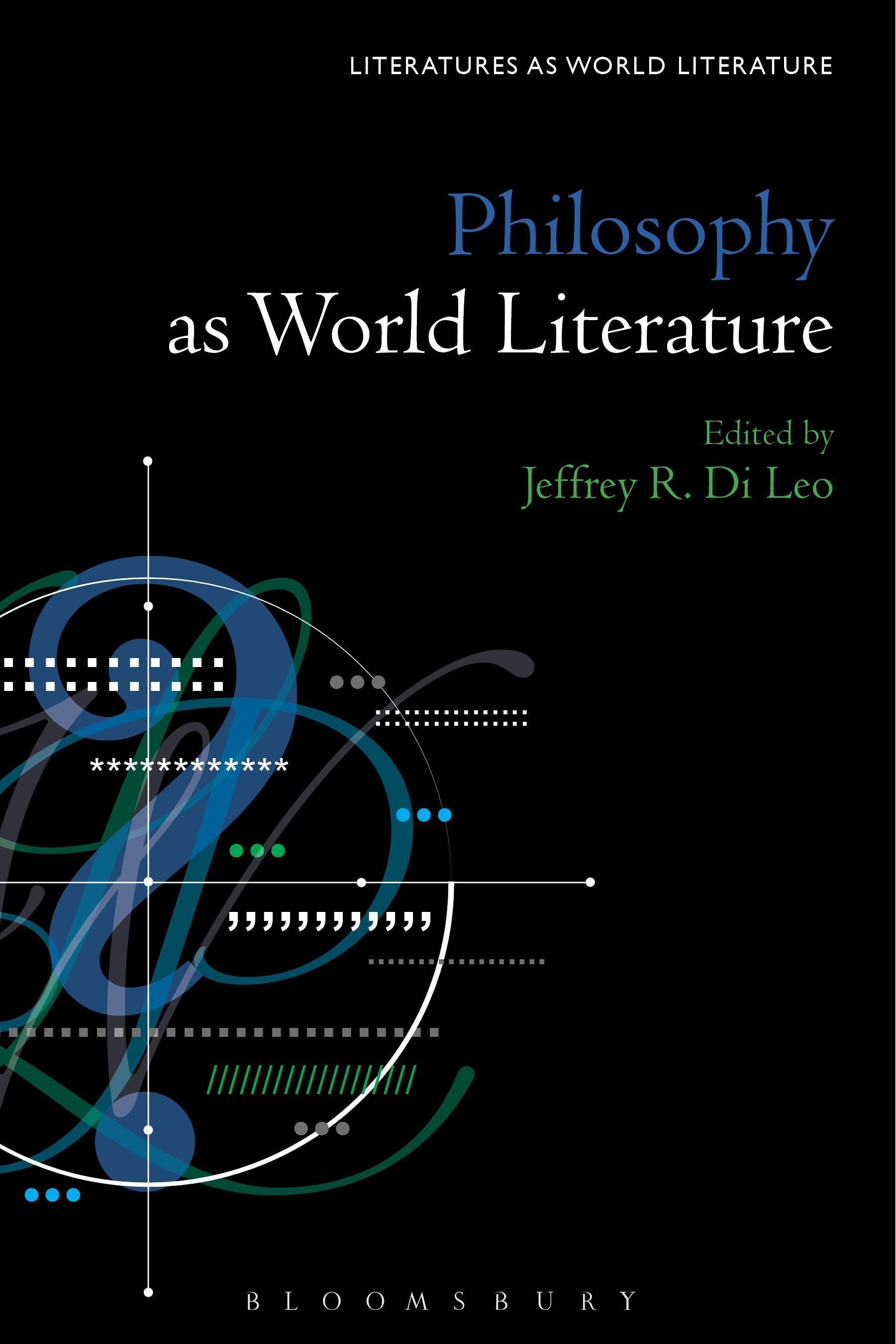
What does it mean to consider philosophy as a species of not just literature but world literature? The authors in this collection explore philosophy through the lens of the "worlding" of literature--that is, how philosophy is connected and reconnected through global literary networks that cross borders, mix stories, and speak in translation and dialect.
Historically, much of the world's most influential philosophy, from Plato's dialogues and Augustine's confessions to Nietzsche's aphorisms and Sartre's plays, was a form of literature--as well as, by extension, a form of world literature. Philosophy as World Literature offers a variety of accounts of how the worlding of literature problematizes the national categorizing of philosophy and brings new meanings and challenges to the discussion of intersections between philosophy and literature.
Historically, much of the world's most influential philosophy, from Plato's dialogues and Augustine's confessions to Nietzsche's aphorisms and Sartre's plays, was a form of literature--as well as, by extension, a form of world literature. Philosophy as World Literature offers a variety of accounts of how the worlding of literature problematizes the national categorizing of philosophy and brings new meanings and challenges to the discussion of intersections between philosophy and literature.
Sider: 304
Kategori: Litteraturvetenskap & Teori
e-ISBN: 9781501351884
Fraktvekt: 1.2 kg
Sendes innen: 1-2 dager
Betal enkelt med kort, Klarna, Apple Pay eller Google Pay. Ikke fornøyd? Du har alltid 14 dagers angrerett. Les mer i våre vilkår. Har du spørsmål, send oss en e-post på hello@memmo.org.
Memmo gjør det enklere å studere – uansett hvor du er i verden. Hos oss samler du pensumbøker og smarte studieverktøy på ett og samme sted: sammendrag, quizer, podkaster og flashcards. Og så Ted, din studiekompis som svarer på alt du lurer på. Over 50 000 studenter studerer allerede her – bygget for at du skal lære raskere og stresse mindre.