
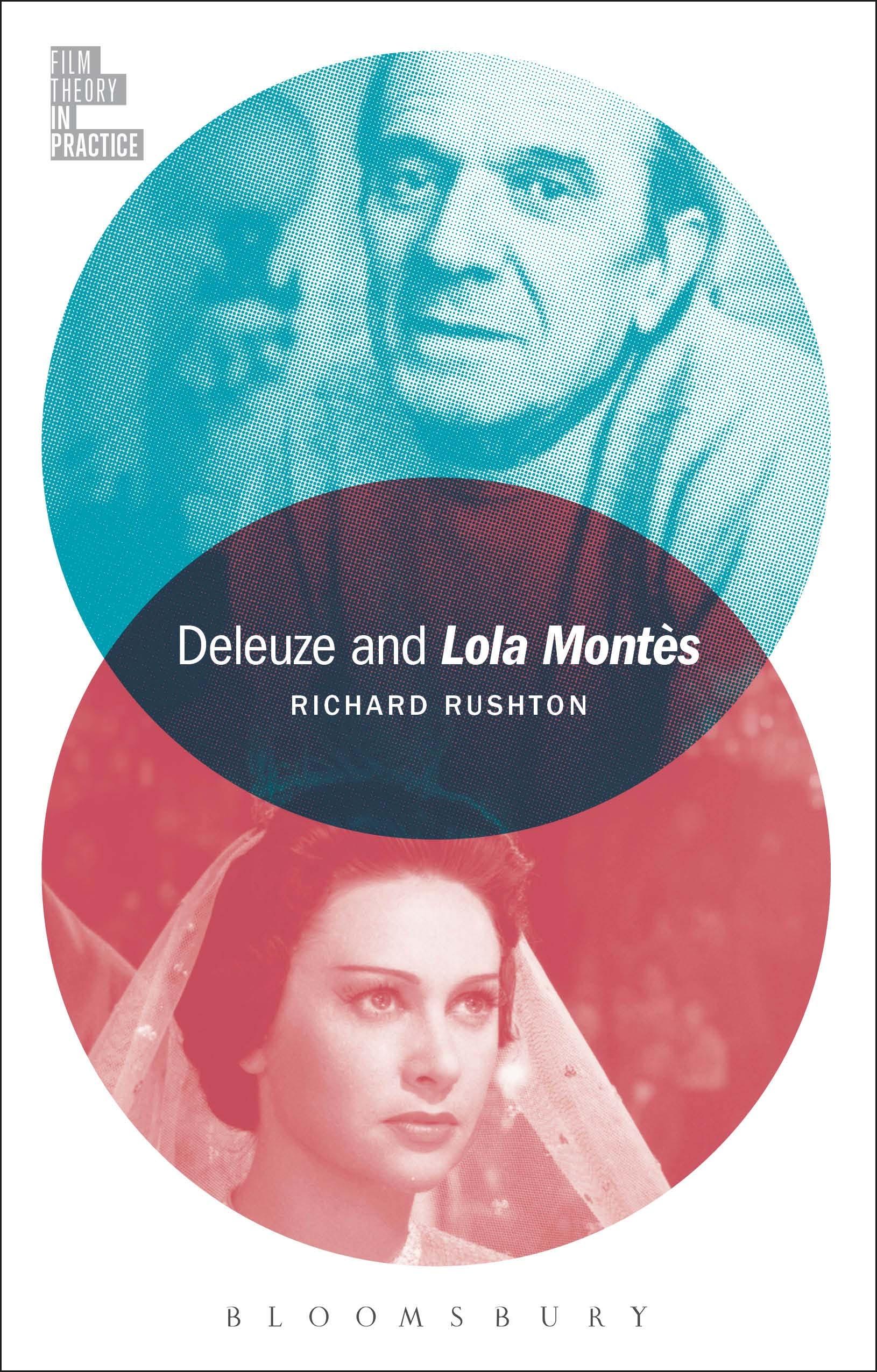
Gilles Deleuze represents the most widely referenced theorist of cinema today. And yet, even the most rudimentary pillars of his thought remain mysterious to most students (and even many scholars) of film studies.
From one of the foremost theorists following Deleuze in the world today, Deleuze and Lola Montès offers a detailed explication of Gilles Deleuze's writings on film – from his books Cinema 1: The Movement-Image (1983) and Cinema 2: The Time-Image (1985). Building on this foundation, Rushton provides an interpretation of Max Ophuls's classic film Lola Montès as an example of how Deleuzian film theory can function in the practice of film interpretation.
From one of the foremost theorists following Deleuze in the world today, Deleuze and Lola Montès offers a detailed explication of Gilles Deleuze's writings on film – from his books Cinema 1: The Movement-Image (1983) and Cinema 2: The Time-Image (1985). Building on this foundation, Rushton provides an interpretation of Max Ophuls's classic film Lola Montès as an example of how Deleuzian film theory can function in the practice of film interpretation.
Betal enkelt med kort, Klarna, Apple Pay eller Google Pay. Ikke fornøyd? Du har alltid 14 dagers angrerett. Les mer i våre vilkår. Har du spørsmål, send oss en e-post på hello@memmo.org.
Memmo gjør det enklere å studere – uansett hvor du er i verden. Hos oss samler du pensumbøker og smarte studieverktøy på ett og samme sted: sammendrag, quizer, podkaster og flashcards. Og så Ted, din studiekompis som svarer på alt du lurer på. Over 50 000 studenter studerer allerede her – bygget for at du skal lære raskere og stresse mindre.