
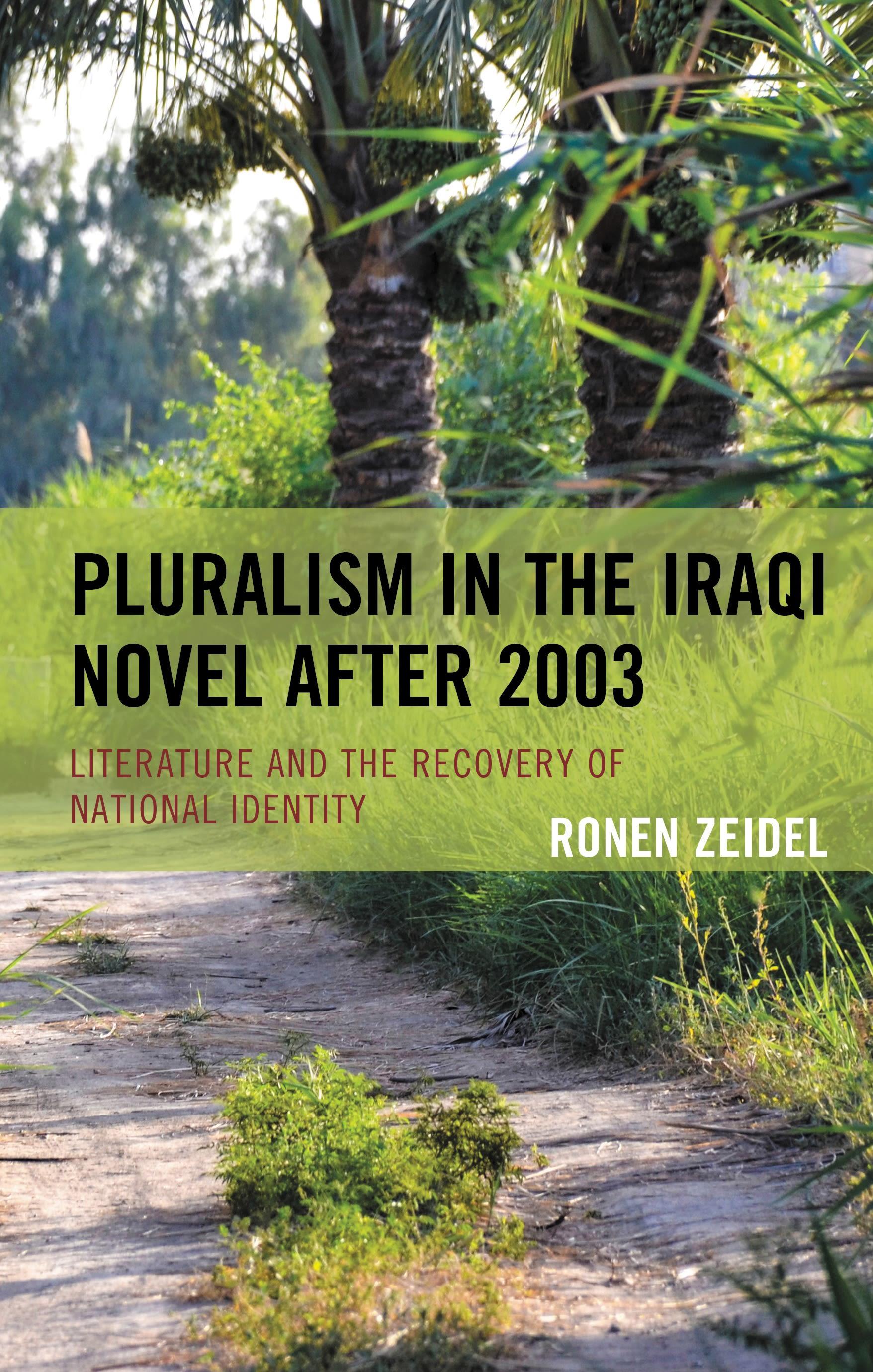
Pluralism in the Iraqi Novel is about the use of literature and the novel to express the new content of an Iraqi national identity constructed after the American invasion of 2003. Instead of the homogenizing national identity in Iraqi literature created before 2003, postoccupation literature presents Iraqi society as a kaleidoscope of multiple religious identities converging in an accommodating Iraqi national identity. The author argues that this could not have happened without the upheaval of 2003 and its consequent results: democracy and political restructuring that incorporated Shia for the first time into the ruling political coalition in recognition of their numerical majority. Literature was consequential to processing the complicated subject of Shia-Sunni relations and the sectarian identity of each and, even more, in the wake of the geopolitical events of 2003, literature was instrument in bringing representation of the Kurds, the small minorities, and even the last Jews of Iraq to the fore. As such, literature demonstrated its revolutionary power and formed the basis for a “New Iraq.”
Betal enkelt med kort, Klarna, Apple Pay eller Google Pay. Ikke fornøyd? Du har alltid 14 dagers angrerett. Les mer i våre vilkår. Har du spørsmål, send oss en e-post på hello@memmo.org.
Memmo gjør det enklere å studere – uansett hvor du er i verden. Hos oss samler du pensumbøker og smarte studieverktøy på ett og samme sted: sammendrag, quizer, podkaster og flashcards. Og så Ted, din studiekompis som svarer på alt du lurer på. Over 50 000 studenter studerer allerede her – bygget for at du skal lære raskere og stresse mindre.