
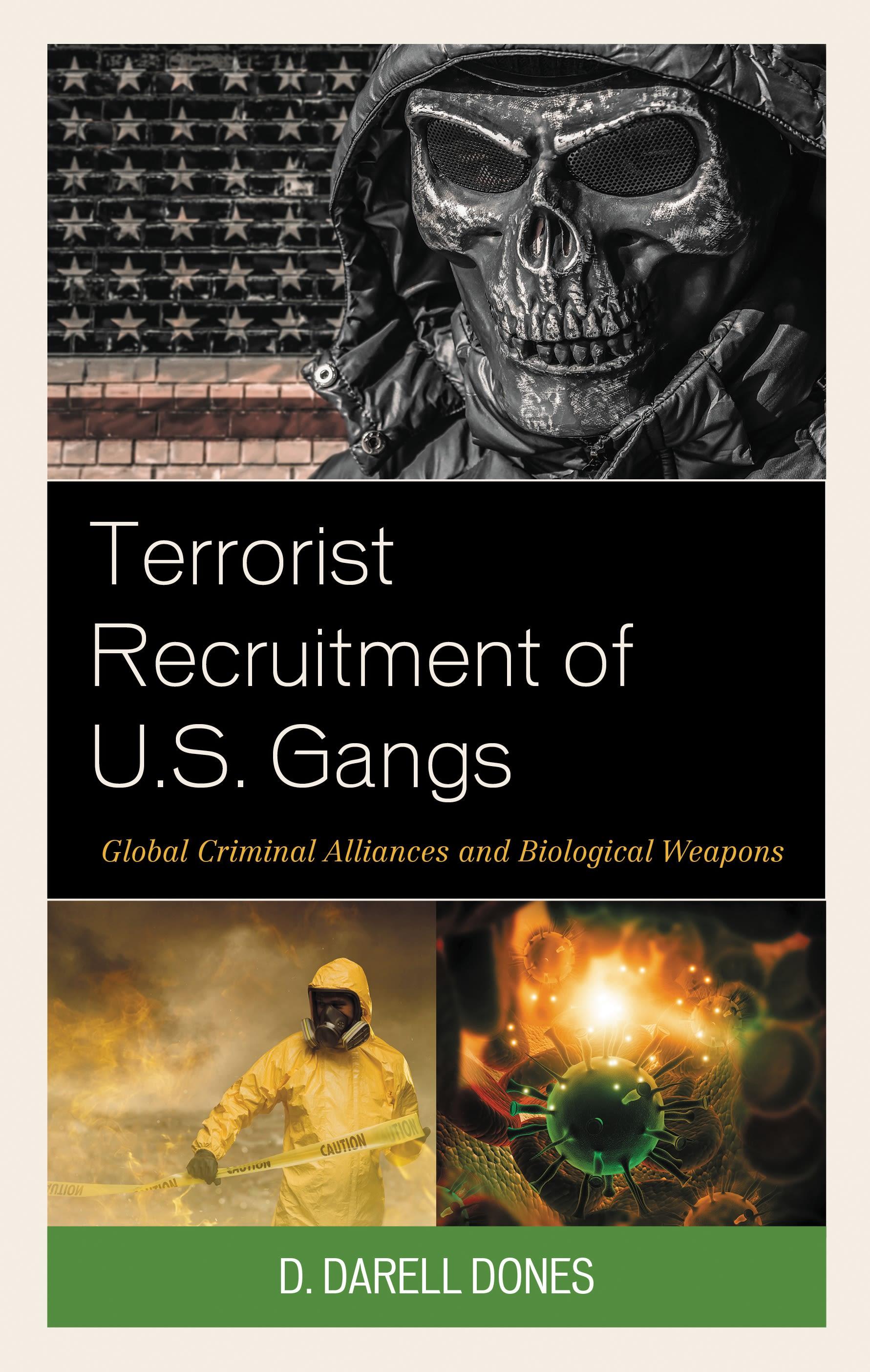
Since the September 11, 2001 US-Terrorist Attacks there has been an overwhelming increase in documented cases of violent acts of extremism made possible by radical terrorist recruitment of domestic gangs. These new, global criminal alliances combine tech-savvy radical extremists and the local knowledge and manpower of U.S.-based gangs creating a greater potential for biological attacks. As a result, both law enforcement and intelligence agencies have been forced to align their coordination efforts to a greater extent with colleges, universities, private infrastructures, and the military to shift national security efforts from reactive to proactive. D. Darell Dones examines the parallel terrorist-gang activities and prevailing psychosocial factors that explain the varying radical beliefs, causations, and behavioral mindset of these criminal partnerships.
Betal enkelt med kort, Klarna, Apple Pay eller Google Pay. Ikke fornøyd? Du har alltid 14 dagers angrerett. Les mer i våre vilkår. Har du spørsmål, send oss en e-post på hello@memmo.org.
Memmo gjør det enklere å studere – uansett hvor du er i verden. Hos oss samler du pensumbøker og smarte studieverktøy på ett og samme sted: sammendrag, quizer, podkaster og flashcards. Og så Ted, din studiekompis som svarer på alt du lurer på. Over 50 000 studenter studerer allerede her – bygget for at du skal lære raskere og stresse mindre.