
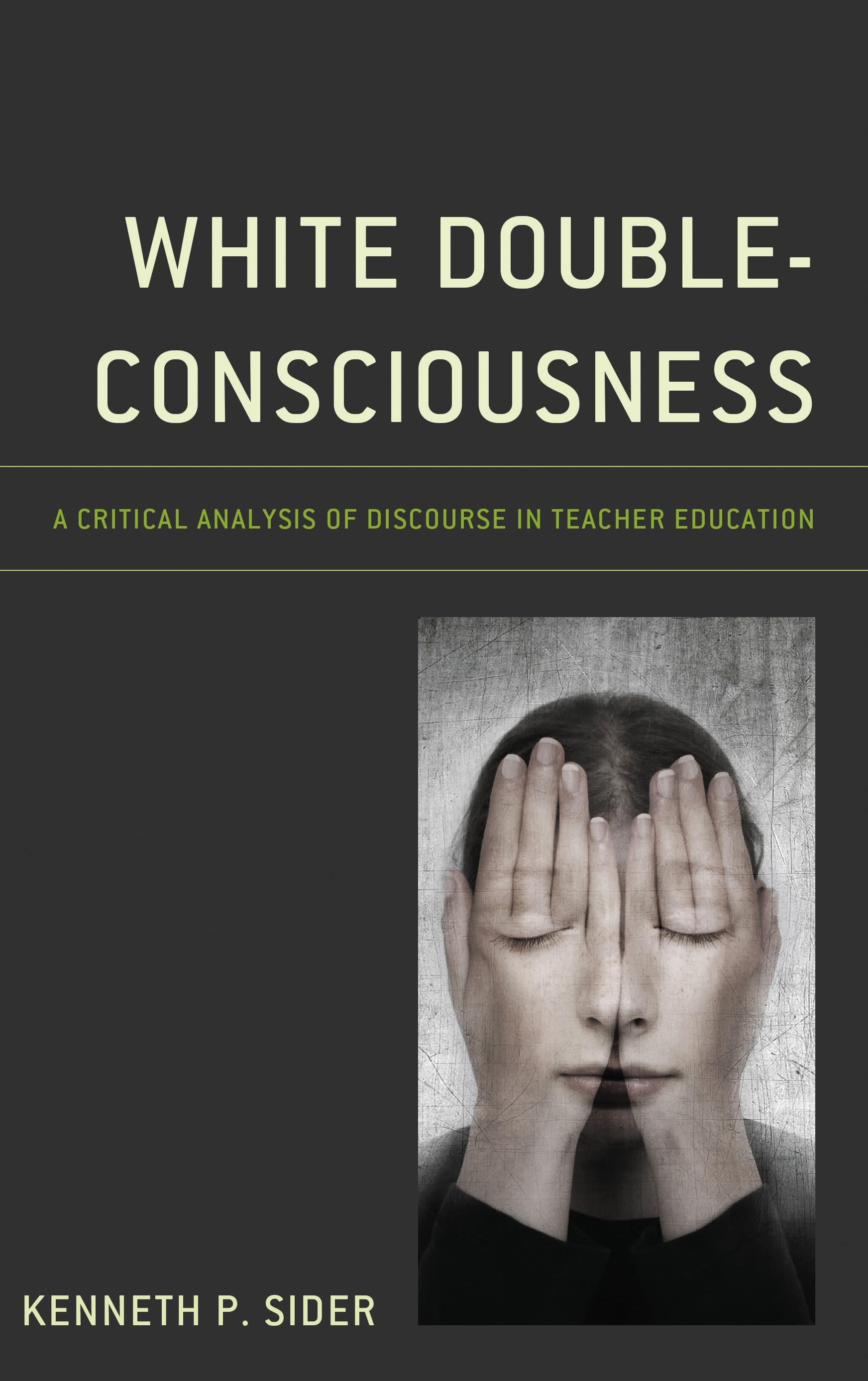
Despite the best intentions of teacher educators, diversity awareness in teacher education typically reproduces a racial hierarchy privileging Whiteness while also educating preservice teachers against this very hierarchy. The phenomenon, which is effortless and easily reproduced, is constructed in part through student self-expression, peer interaction, and instructional practices. This inquiry follows White undergraduate students in a state university through an academic semester in order to capture autobiographical reporting at the outset, asynchronous, peer-mediated, online discussions at the mid-term, and concludes with personal reflections on self-perceptions of growth. Using grounded theory, this phenomenological study examines participants’ relationships to White privilege in order to improve instructional practices in the teacher education classroom.
The relationship between the private and public faces of participants is analogous to the micro-level and macro-level function of their words which is organized using a theoretical framework where critical pedagogy (micro-level) and critical race theory (macro-level) serve as interpretive lenses. These lenses provide a wide view of participants’ experiences in the course and increases what is known about the instructional experiences in teacher education. This inquiry suggests that the teacher education classroom is an ideal space to shift the focus from intellectualization to self-actualization. Teacher educators can provide opportunities where students’ insights help dissolve the barrier between the “real world” and the classroom. A sense of pedagogical wholeness that includes one’s self is needed in order for preservice teachers to become antiracist educators who will provide the appropriate environment and support their future students will need.
The relationship between the private and public faces of participants is analogous to the micro-level and macro-level function of their words which is organized using a theoretical framework where critical pedagogy (micro-level) and critical race theory (macro-level) serve as interpretive lenses. These lenses provide a wide view of participants’ experiences in the course and increases what is known about the instructional experiences in teacher education. This inquiry suggests that the teacher education classroom is an ideal space to shift the focus from intellectualization to self-actualization. Teacher educators can provide opportunities where students’ insights help dissolve the barrier between the “real world” and the classroom. A sense of pedagogical wholeness that includes one’s self is needed in order for preservice teachers to become antiracist educators who will provide the appropriate environment and support their future students will need.
Betal enkelt med kort, Klarna, Apple Pay eller Google Pay. Ikke fornøyd? Du har alltid 14 dagers angrerett. Les mer i våre vilkår. Har du spørsmål, send oss en e-post på hello@memmo.org.
Memmo gjør det enklere å studere – uansett hvor du er i verden. Hos oss samler du pensumbøker og smarte studieverktøy på ett og samme sted: sammendrag, quizer, podkaster og flashcards. Og så Ted, din studiekompis som svarer på alt du lurer på. Over 50 000 studenter studerer allerede her – bygget for at du skal lære raskere og stresse mindre.