
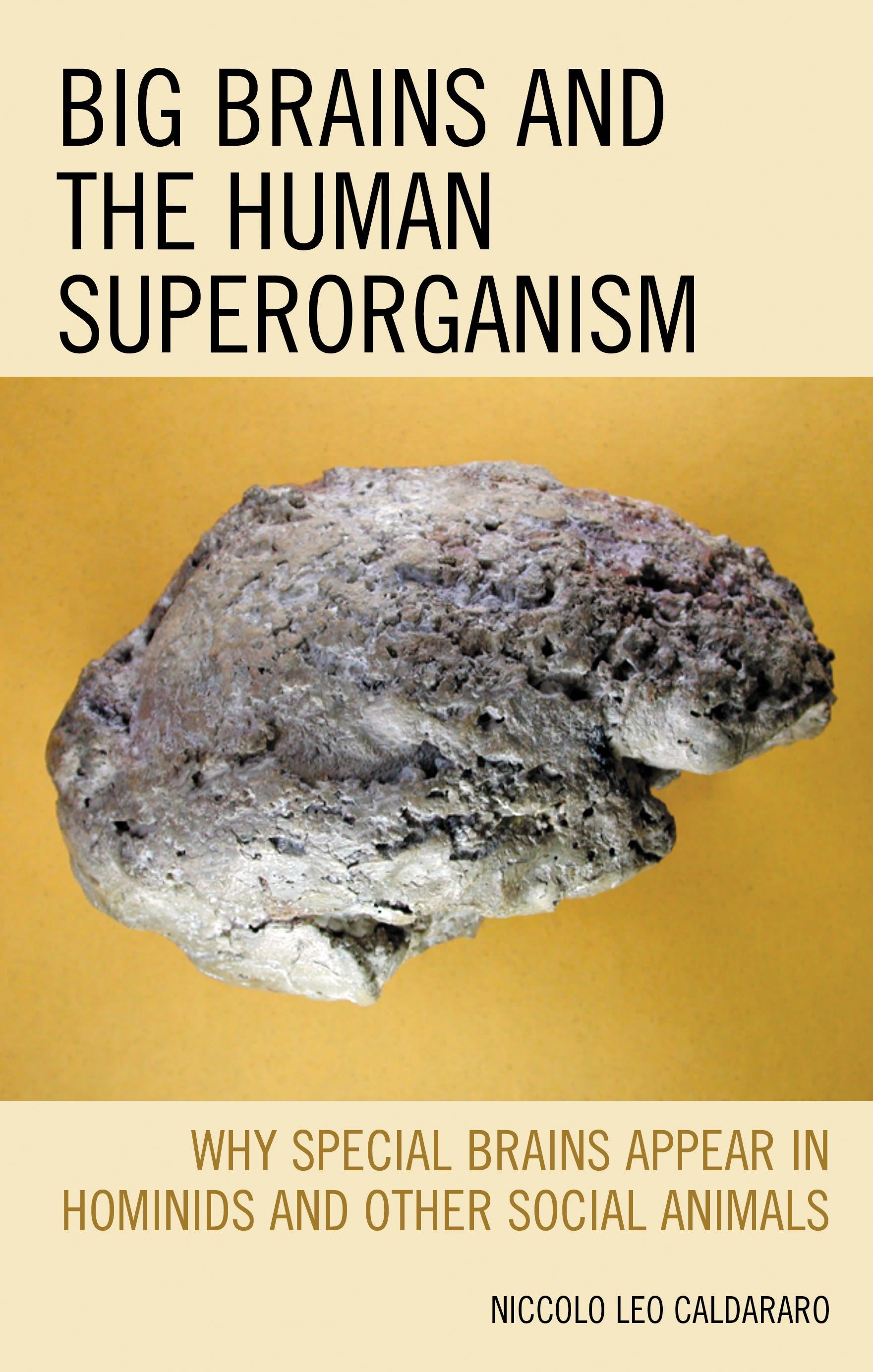
This book examines why humans have big brains, what big brains enable us to do, and how specialized brains are associated with eusociality in animals. It explores why brains expanded so slowly, and then why they stopped growing. This book whittles down the theories on brain size evolution to a few that represent testable hypotheses to identify logical and practical explanations for the phenomenon. At the core of this book is data derived from original, previously unpublished research on brain size in a number of social mammals. This data supports the idea that evolution of the brain in humans is the result of social interaction. This book also traces the products of the social brain: ideology, religion, urban life, housing, and learning and adapting to dense complex social interactions. It uniquely compares brain evolution in social animals across the animal kingdom, and examines the nature of the human brain and its evolution within the social and historical context of complex human social structures.
Betal enkelt med kort, Klarna, Apple Pay eller Google Pay. Ikke fornøyd? Du har alltid 14 dagers angrerett. Les mer i våre vilkår. Har du spørsmål, send oss en e-post på hello@memmo.org.
Memmo gjør det enklere å studere – uansett hvor du er i verden. Hos oss samler du pensumbøker og smarte studieverktøy på ett og samme sted: sammendrag, quizer, podkaster og flashcards. Og så Ted, din studiekompis som svarer på alt du lurer på. Over 50 000 studenter studerer allerede her – bygget for at du skal lære raskere og stresse mindre.