
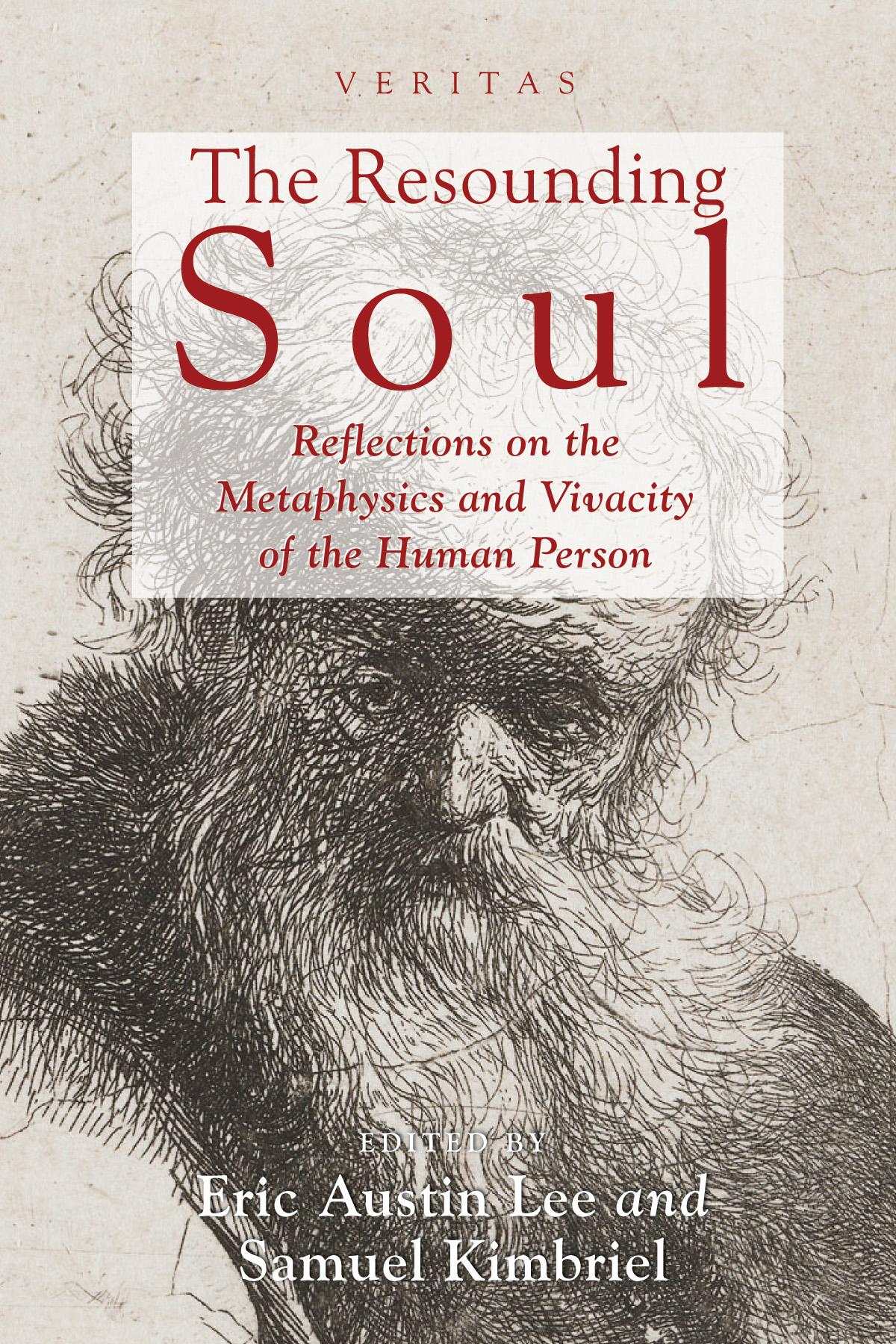
It is surely not coincidental that the term "soul" should mean not only the center of a creature's life and consciousness, but also a thing or action characterized by intense vivacity ("that bike's got soul!"). It also seems far from coincidental that the same contemporary academic discussions that have largely cast aside the language of "soul" in their quest to define the character of human mental life should themselves be so--how to say it?--bloodless, so lacking in soul. This volume arises from the opposite premise, namely that the task of understanding human nature is bound up with and in important respects dependent upon the more critical task of learning to be fully human, of learning to have soul. The papers collected here are derived from a conference in Oxford sponsored by the Centre of Theology and Philosophy and together explore the often surprising landscape that emerges when human consciousness is approached from this angle. Drawing upon literary, philosophical, theological, historical, and musical modes of analysis, the essays of this volume vividly remind the reader of the power of the ancient language of soul over against contemporary impulses to reduce, fragment, and overly determine human selfhood.
Betal enkelt med kort, Klarna, Apple Pay eller Google Pay. Ikke fornøyd? Du har alltid 14 dagers angrerett. Les mer i våre vilkår. Har du spørsmål, send oss en e-post på hello@memmo.org.
Memmo gjør det enklere å studere – uansett hvor du er i verden. Hos oss samler du pensumbøker og smarte studieverktøy på ett og samme sted: sammendrag, quizer, podkaster og flashcards. Og så Ted, din studiekompis som svarer på alt du lurer på. Over 50 000 studenter studerer allerede her – bygget for at du skal lære raskere og stresse mindre.
Du vil kanskje også like
Kjøp boken0