
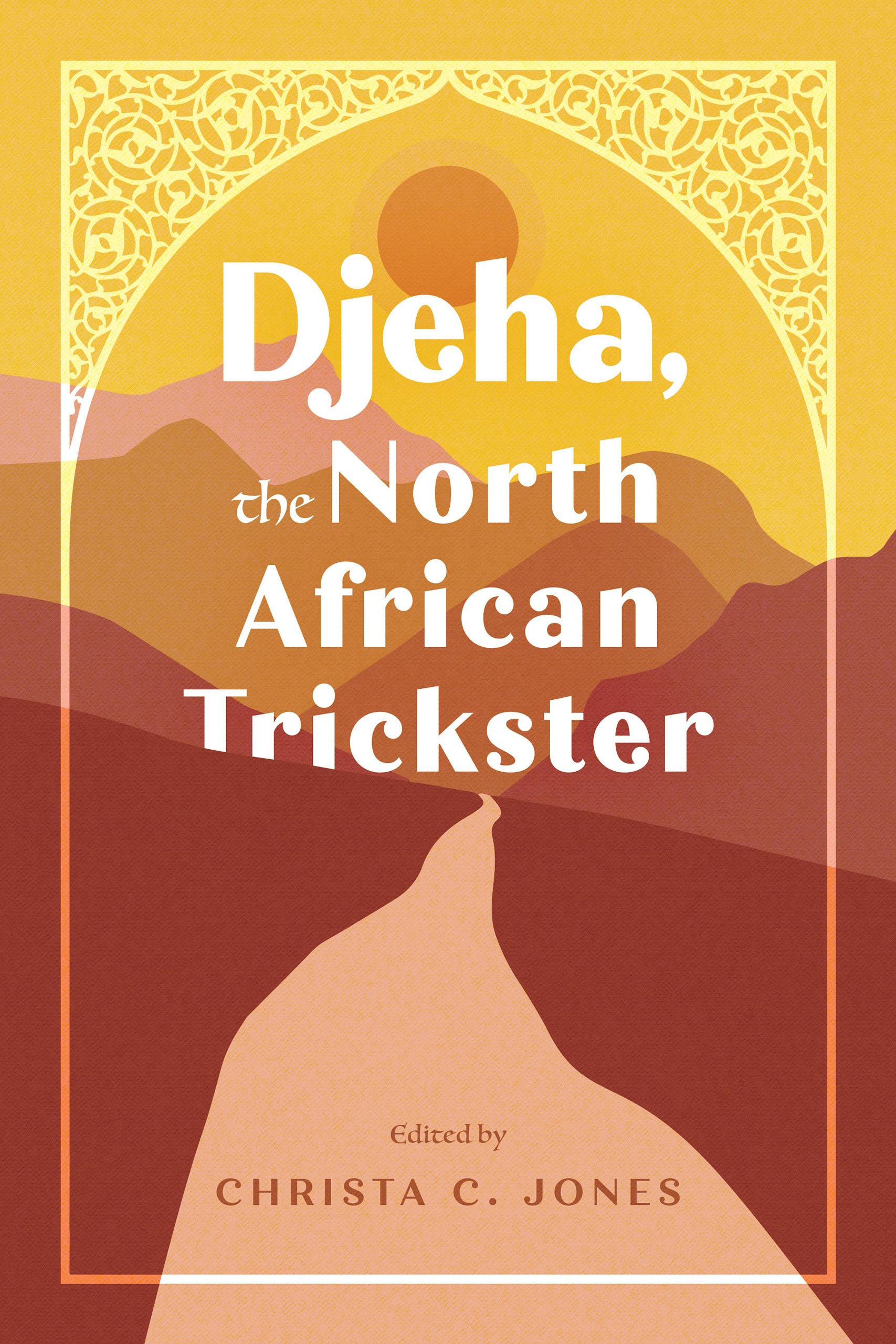
Djeha—also known as Juha, Jeh’a, and Ch’ha, among many variations—is an iconic figure, the trickster hero of an oral folktale tradition that has existed for centuries. The famous Maghrebian prankster is a poor, cunning, and resourceful character that delights in immoral behavior. Orientalists Auguste Mouliéras (1855-1931) and René Basset (1855-1924) were among the first Frenchmen to collect and translate popular Berber folktales. Today, trickster folktales from Algeria’s mountainous Kabylia region are not well known in the Anglophone world, even though they continue to be highly popular in France and in North Africa. Djeha, the North African Trickster is an annotated, critical translation of Auguste Mouliéras’s folktale collection Les Fourberies de Si Djeh’a, first published in French in 1892.
The volume contains sixty tales and an in-depth introduction in which Christa C. Jones discusses jocular literature in Islam, the widespread oral folktale tradition linked to Djeha and his Turkish twin brother Nasreddin Hoca, and the impact of colonialism on the gathering and dissemination of the tales. The trickster is at the center of six themed chapters: “Family and Kinship”; “Animal Tales"; “Faces, Places, or Daily Life in the Village"; “Foodways”; “The Intricacies of Hospitality: Beware of Friends and Foes!"; and “Religion, Death, and the Afterlife.” Each chapter contains ten folktales preceded by a short introduction that contextualizes the pieces using historical, folkloristic, literary, and ethnographical sources. Ultimately, the book contributes to the preservation of an ancestral oral heritage, delivering this enduring character to new audiences.
The volume contains sixty tales and an in-depth introduction in which Christa C. Jones discusses jocular literature in Islam, the widespread oral folktale tradition linked to Djeha and his Turkish twin brother Nasreddin Hoca, and the impact of colonialism on the gathering and dissemination of the tales. The trickster is at the center of six themed chapters: “Family and Kinship”; “Animal Tales"; “Faces, Places, or Daily Life in the Village"; “Foodways”; “The Intricacies of Hospitality: Beware of Friends and Foes!"; and “Religion, Death, and the Afterlife.” Each chapter contains ten folktales preceded by a short introduction that contextualizes the pieces using historical, folkloristic, literary, and ethnographical sources. Ultimately, the book contributes to the preservation of an ancestral oral heritage, delivering this enduring character to new audiences.
Betal enkelt med kort, Klarna, Apple Pay eller Google Pay. Ikke fornøyd? Du har alltid 14 dagers angrerett. Les mer i våre vilkår. Har du spørsmål, send oss en e-post på hello@memmo.org.
Memmo gjør det enklere å studere – uansett hvor du er i verden. Hos oss samler du pensumbøker og smarte studieverktøy på ett og samme sted: sammendrag, quizer, podkaster og flashcards. Og så Ted, din studiekompis som svarer på alt du lurer på. Over 50 000 studenter studerer allerede her – bygget for at du skal lære raskere og stresse mindre.
Du vil kanskje også like
Kjøp boken0