
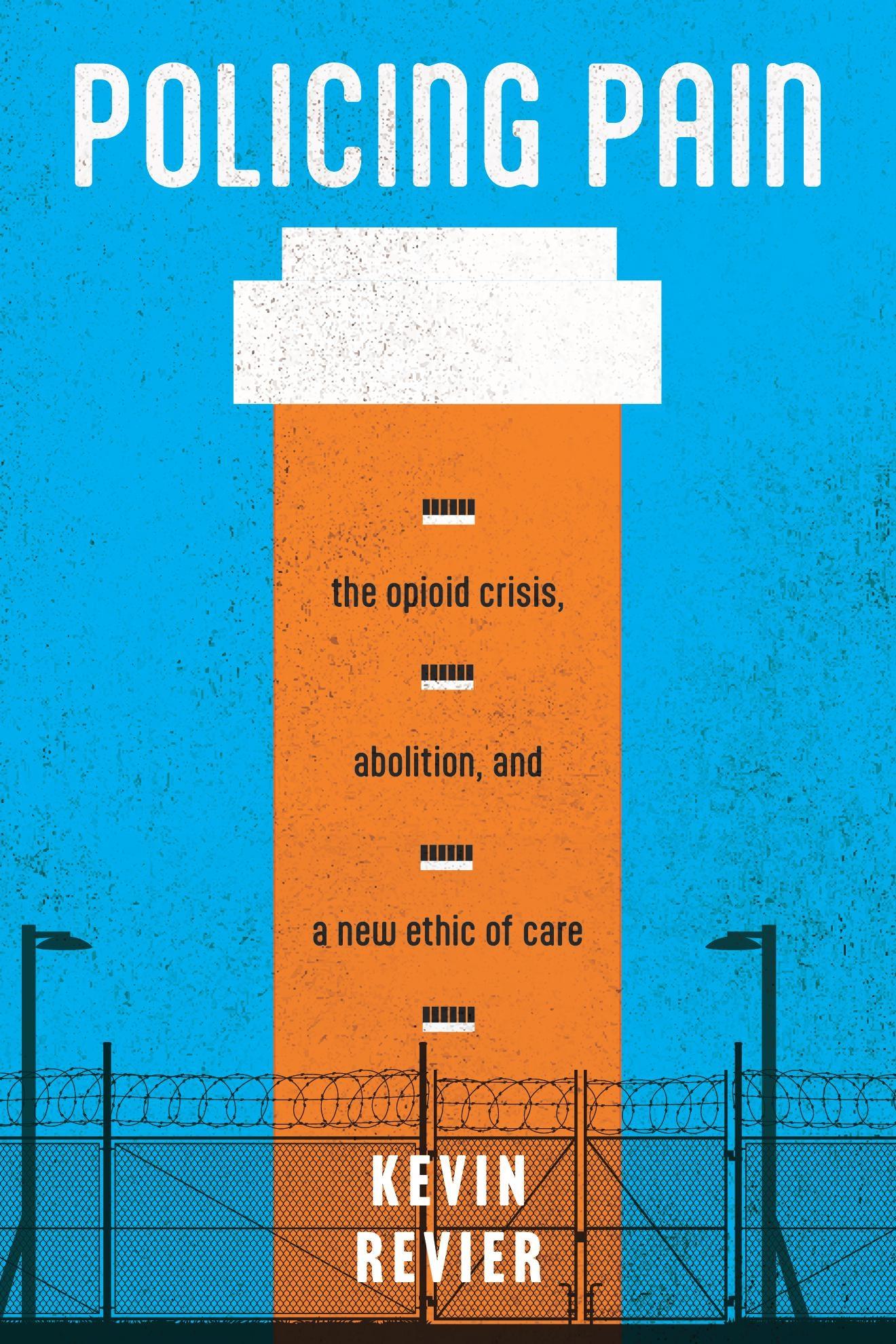
How the medicalization of addiction during the U.S. opioid crisis has driven mass incarceration and mass policing in rural and deindustrialized communities
The nationwide opioid public health emergency has led many advocates and public officials to call for drug policy reforms that reject traditional “law-and-order” approaches. In Policing Pain, Kevin Revier approaches the opioid epidemic from an abolitionist framework that seeks to treat people who use opioids not as so-called criminals, but as people in need of health care. Based on two years of ethnographic research in Upstate New York, a region highly impacted by overdoses, job loss, and deindustrialization, Revier shows that incorporation of treatment within the criminal justice system has ultimately expanded the scope of the drug war, turning individuals into "treatable carceral subjects" who are both medicalized and criminalized.
He argues that the incorporation of medical rhetoric and treatment within the criminal legal system maintains a carceral approach in rural and low-income areas facing high rates of opioid overdose and economic disinvestment, further entrenching the carceral state in the lives of people who use drugs. Ultimately, Policing Pain explores alternative strategies to promote harm reduction from an abolitionist ethic of care that advocates for people who use drugs while seeking to minimize criminal justice involvement in drug-related issues.
Betal enkelt med kort, Klarna, Apple Pay eller Google Pay. Ikke fornøyd? Du har alltid 14 dagers angrerett. Les mer i våre vilkår. Har du spørsmål, send oss en e-post på hello@memmo.org.
Memmo gjør det enklere å studere – uansett hvor du er i verden. Hos oss samler du pensumbøker og smarte studieverktøy på ett og samme sted: sammendrag, quizer, podkaster og flashcards. Og så Ted, din studiekompis som svarer på alt du lurer på. Over 50 000 studenter studerer allerede her – bygget for at du skal lære raskere og stresse mindre.