
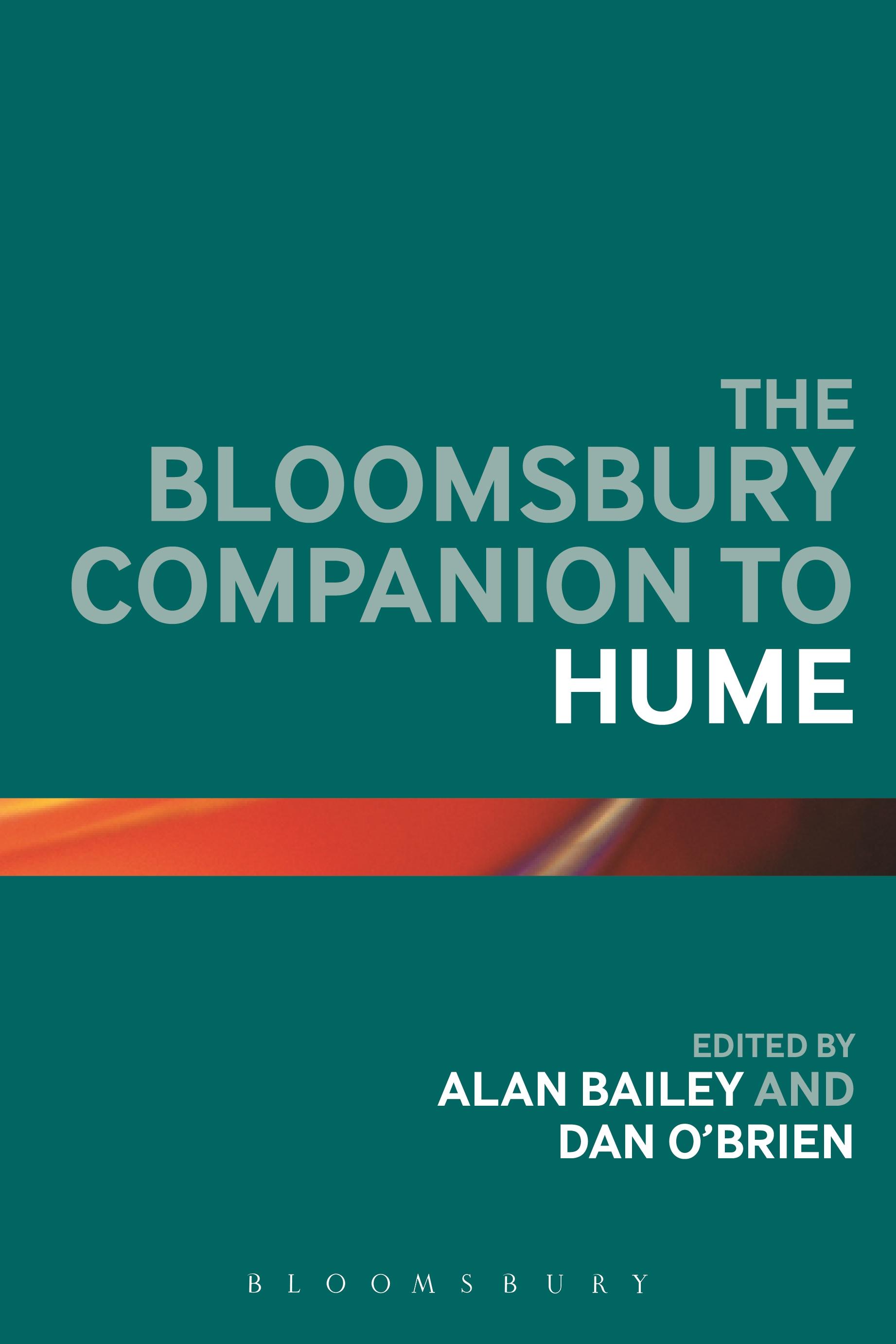
David Hume (1711-1776), philosopher, historian, and essayist, is widely considered to be Britain's greatest philosopher. One of the leading intellectual figures of the Scottish Enlightenment, his major works and central ideas, especially his radical empiricism and his critique of the pretensions of philosophical rationalism, remain hugely influential on contemporary philosophers. This comprehensive and accessible guide to Hume's life and work includes 21 specially commissioned essays, written by a team of leading experts, covering every aspect of Hume's thought. The Companion presents details of Hume's life, historical and philosophical context, providing students with a comprehensive overview of all the key themes and topics apparent in his work, including his accounts of causal reasoning, scepticism, the soul and the self, action, reason, free will, miracles, natural religion, politics, human nature, women, economics and history, and an account of his reception and enduring influence. This textbook is indispensable to anyone studying in the areas of Hume Studies, British, and eighteenth-century philosophy.
Betal enkelt med kort, Klarna, Apple Pay eller Google Pay. Ikke fornøyd? Du har alltid 14 dagers angrerett. Les mer i våre vilkår. Har du spørsmål, send oss en e-post på hello@memmo.org.
Memmo gjør det enklere å studere – uansett hvor du er i verden. Hos oss samler du pensumbøker og smarte studieverktøy på ett og samme sted: sammendrag, quizer, podkaster og flashcards. Og så Ted, din studiekompis som svarer på alt du lurer på. Over 50 000 studenter studerer allerede her – bygget for at du skal lære raskere og stresse mindre.