
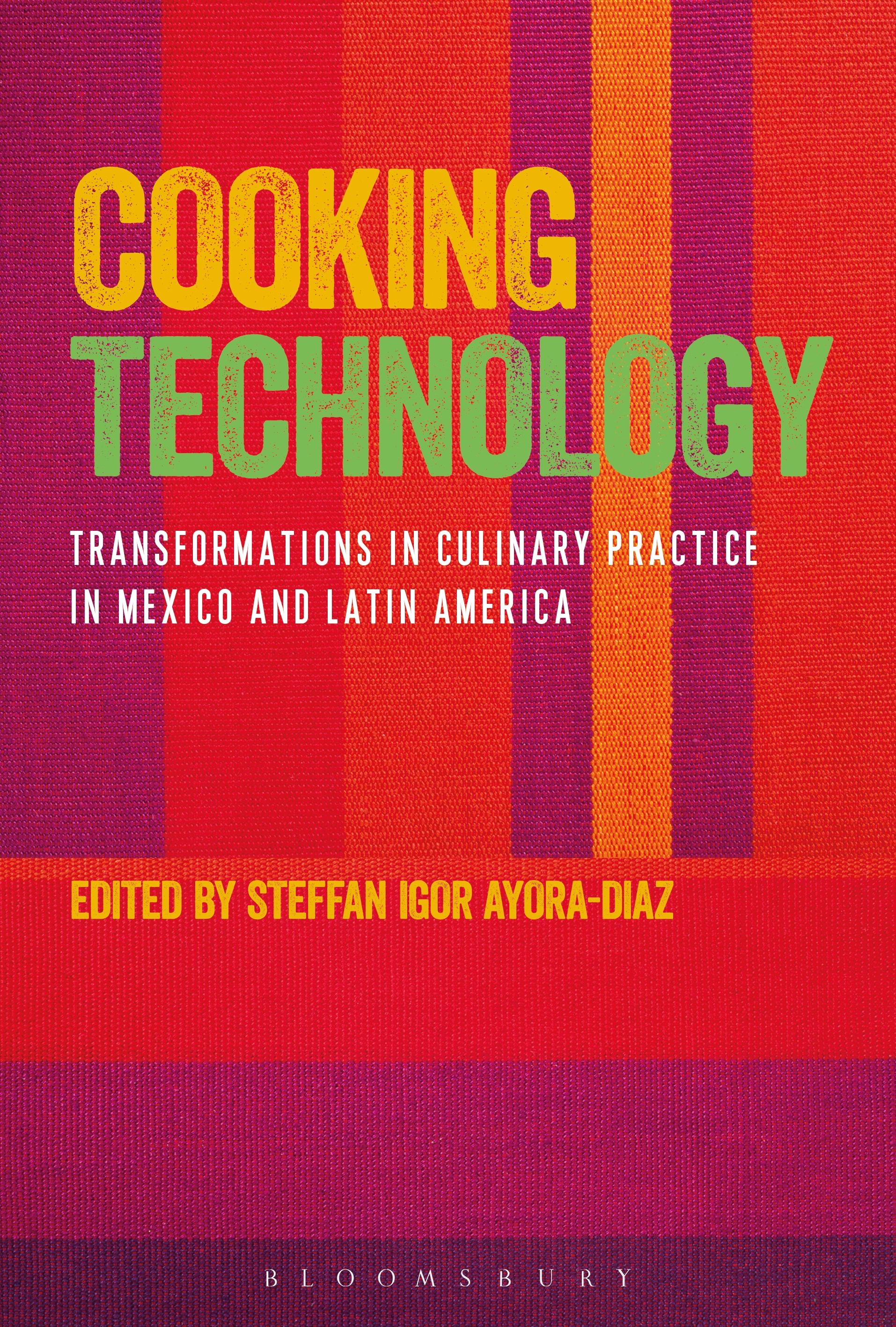
New scientific discoveries, technologies and techniques often find their way into the space and equipment of domestic and professional kitchens. Using approaches based on anthropology, archaeology and history, Cooking Technology reveals the impact these and the associated broader socio-cultural, political and economic changes have on everyday culinary practices, explaining why people transform – or, indeed, refuse to change – their kitchens and food habits.
Focusing on Mexico and Latin America, the authors look at poor, rural households as well as the kitchens of the well-to-do and professional chefs. Topics range from state subsidies for traditional ingredients, to the promotion of fusion foods, and the meaning of kitchens and cooking in different localities, as a result of people taking their cooking technologies and ingredients with them to recreate their kitchens abroad. What emerges is an image of Latin American kitchens as places where 'traditional' and 'modern' culinary values are constantly being renegotiated.
The thirteen chapters feature case studies of areas in Mexico, the American-Mexican border, Cuba, Guatemala, Costa Rica, Venezuela, Colombia, Peru, and Brazil. With contributions from an international range of leading experts, Cooking Technology fills an important gap in the literature and provides an excellent introduction to the topic for students and researchers working in food studies, anthropology, history, and Latin American studies.
Focusing on Mexico and Latin America, the authors look at poor, rural households as well as the kitchens of the well-to-do and professional chefs. Topics range from state subsidies for traditional ingredients, to the promotion of fusion foods, and the meaning of kitchens and cooking in different localities, as a result of people taking their cooking technologies and ingredients with them to recreate their kitchens abroad. What emerges is an image of Latin American kitchens as places where 'traditional' and 'modern' culinary values are constantly being renegotiated.
The thirteen chapters feature case studies of areas in Mexico, the American-Mexican border, Cuba, Guatemala, Costa Rica, Venezuela, Colombia, Peru, and Brazil. With contributions from an international range of leading experts, Cooking Technology fills an important gap in the literature and provides an excellent introduction to the topic for students and researchers working in food studies, anthropology, history, and Latin American studies.
Betal enkelt med kort, Klarna, Apple Pay eller Google Pay. Ikke fornøyd? Du har alltid 14 dagers angrerett. Les mer i våre vilkår. Har du spørsmål, send oss en e-post på hello@memmo.org.
Memmo gjør det enklere å studere – uansett hvor du er i verden. Hos oss samler du pensumbøker og smarte studieverktøy på ett og samme sted: sammendrag, quizer, podkaster og flashcards. Og så Ted, din studiekompis som svarer på alt du lurer på. Over 50 000 studenter studerer allerede her – bygget for at du skal lære raskere og stresse mindre.