
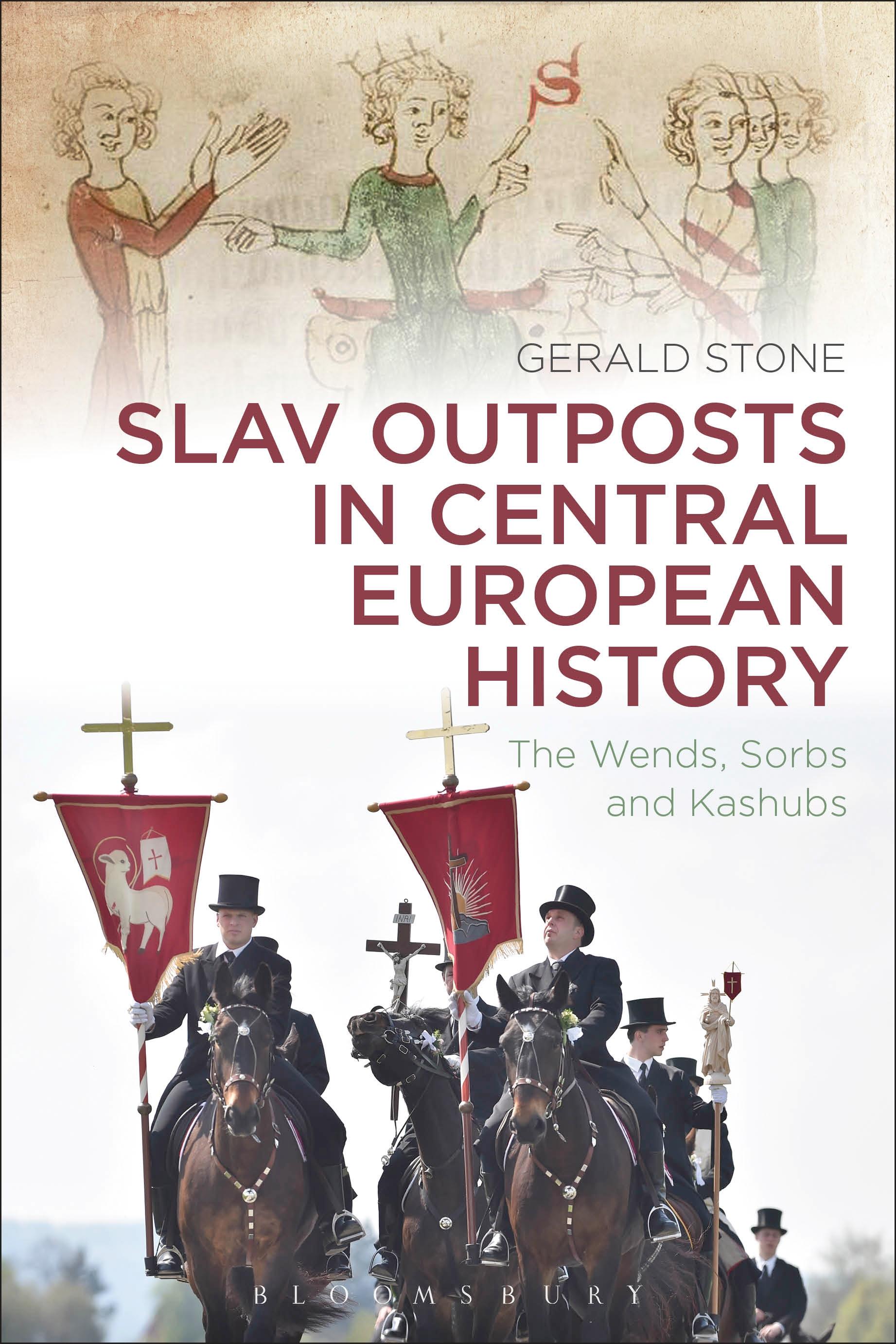
While many think of European history in terms of the major states that today make up the map of Europe, this approach tends to overlook submerged nations like the Wends, the westernmost Slavs who once inhabited the lands which later became East Germany and Western Poland. This book examines the decline and gradual erosion of the Wends from the time when they occupied all the land between the River Elbe and the River Vistula around 800 AD to the present, where they still survive in tiny enclaves south of Berlin (the Wends and Sorbs) and west of Danzig (the Kashubs).
Slav Outposts in Central European History - which also includes numerous images and maps - puts the story of the Wends, the Sorbs and the Kashubs in a wider European context in order to further sophisticate our understanding of how ethnic groups, societies, confessions and states have flourished or floundered in the region. It is an important book for all students and scholars of central European history and the history of European peoples and states more generally.
Slav Outposts in Central European History - which also includes numerous images and maps - puts the story of the Wends, the Sorbs and the Kashubs in a wider European context in order to further sophisticate our understanding of how ethnic groups, societies, confessions and states have flourished or floundered in the region. It is an important book for all students and scholars of central European history and the history of European peoples and states more generally.
Betal enkelt med kort, Klarna, Apple Pay eller Google Pay. Ikke fornøyd? Du har alltid 14 dagers angrerett. Les mer i våre vilkår. Har du spørsmål, send oss en e-post på hello@memmo.org.
Memmo gjør det enklere å studere – uansett hvor du er i verden. Hos oss samler du pensumbøker og smarte studieverktøy på ett og samme sted: sammendrag, quizer, podkaster og flashcards. Og så Ted, din studiekompis som svarer på alt du lurer på. Over 50 000 studenter studerer allerede her – bygget for at du skal lære raskere og stresse mindre.