
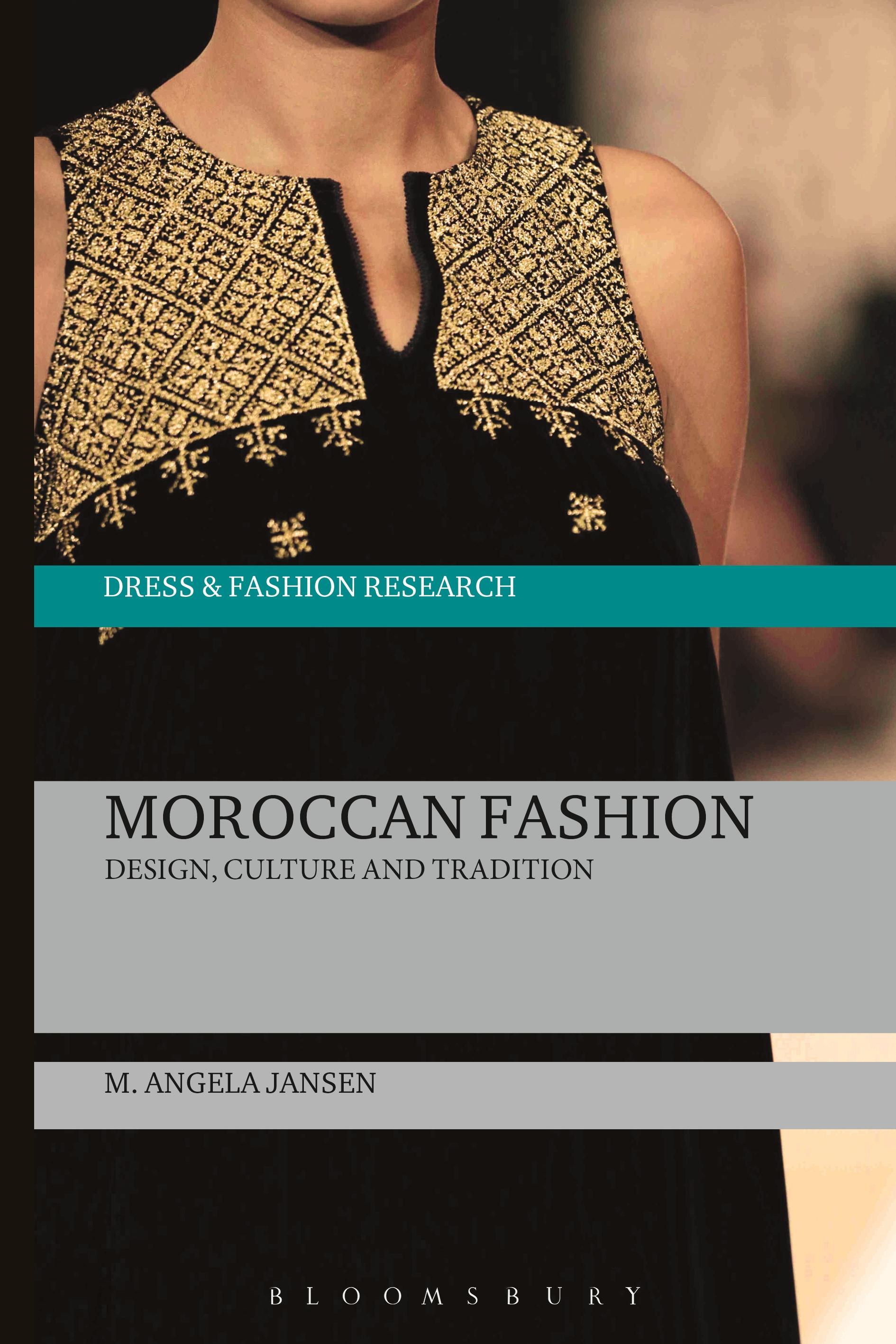
Moroccan garment design and consumption have experienced major shifts in recent history, transforming from a traditional craft-based enterprise to a thriving fashion industry. Influenced by western fashion, dress has become commoditized and has expanded from tailoring to designer labels. This book presents the first detailed ethnographic study of Moroccan fashion.
Drawing on interviews with three generations of designers and the lifestyle press, the author provides an in-depth analysis of the development of urban dress, which reveals how traditional dress has not been threatened but rather produced and consumed in different ways.
With chapters examining themes such as dress and politics, gender, faith, modernity, and exploring topics from craft to e-fashion, this book will be essential reading for students and scholars of fashion, anthropology, material culture, sociology, cultural studies, gender studies and related fields.
Drawing on interviews with three generations of designers and the lifestyle press, the author provides an in-depth analysis of the development of urban dress, which reveals how traditional dress has not been threatened but rather produced and consumed in different ways.
With chapters examining themes such as dress and politics, gender, faith, modernity, and exploring topics from craft to e-fashion, this book will be essential reading for students and scholars of fashion, anthropology, material culture, sociology, cultural studies, gender studies and related fields.
Betal enkelt med kort, Klarna, Apple Pay eller Google Pay. Ikke fornøyd? Du har alltid 14 dagers angrerett. Les mer i våre vilkår. Har du spørsmål, send oss en e-post på hello@memmo.org.
Memmo gjør det enklere å studere – uansett hvor du er i verden. Hos oss samler du pensumbøker og smarte studieverktøy på ett og samme sted: sammendrag, quizer, podkaster og flashcards. Og så Ted, din studiekompis som svarer på alt du lurer på. Over 50 000 studenter studerer allerede her – bygget for at du skal lære raskere og stresse mindre.