
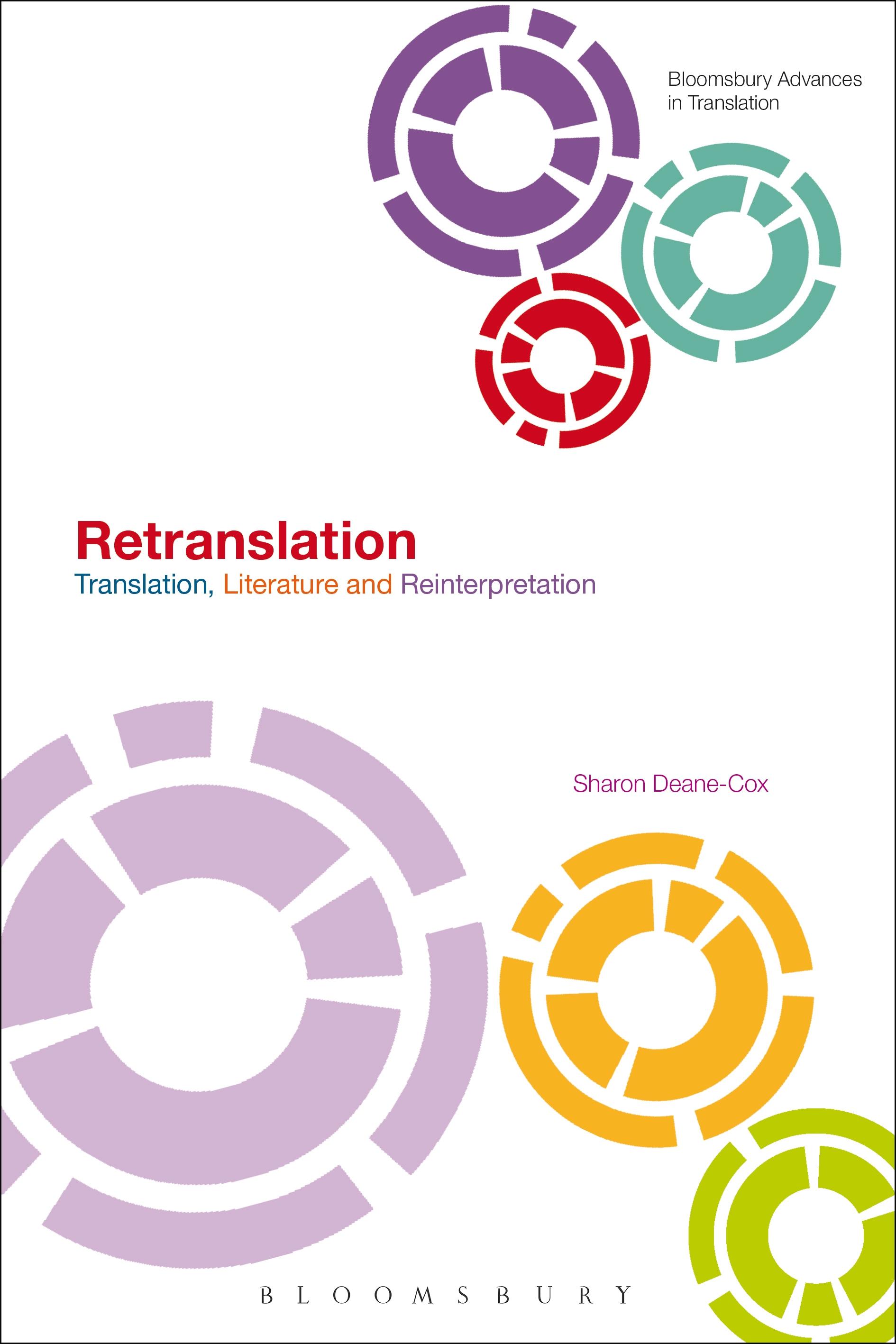
Retranslation is a phenomenon which gives rise to multiple translations of a particular work. But theoretical engagement with the motivations and outcomes of retranslation often falls short of acknowledging the complex nature of this repetitive process, and reasoning has so far been limited to considerations of progress, updating and challenge; there is even less in the way of empirical study.
This book seeks to redress the balance through its case studies on the initial translations and retranslations of Flaubert's Madame Bovary and Sand's pastoral tale La Mare au diable within the British literary context. What emerges is a detailed exposition of how and why these works have been retold, alongside a critical re-evaluation of existing lines of enquiry into retranslation. A flexible methodology for the study of retranslations is also proposed which draws on Systemic Functional Grammar, narratology, narrative theory and genetic criticism.
This book seeks to redress the balance through its case studies on the initial translations and retranslations of Flaubert's Madame Bovary and Sand's pastoral tale La Mare au diable within the British literary context. What emerges is a detailed exposition of how and why these works have been retold, alongside a critical re-evaluation of existing lines of enquiry into retranslation. A flexible methodology for the study of retranslations is also proposed which draws on Systemic Functional Grammar, narratology, narrative theory and genetic criticism.
Betal enkelt med kort, Klarna, Apple Pay eller Google Pay. Ikke fornøyd? Du har alltid 14 dagers angrerett. Les mer i våre vilkår. Har du spørsmål, send oss en e-post på hello@memmo.org.
Memmo gjør det enklere å studere – uansett hvor du er i verden. Hos oss samler du pensumbøker og smarte studieverktøy på ett og samme sted: sammendrag, quizer, podkaster og flashcards. Og så Ted, din studiekompis som svarer på alt du lurer på. Over 50 000 studenter studerer allerede her – bygget for at du skal lære raskere og stresse mindre.