
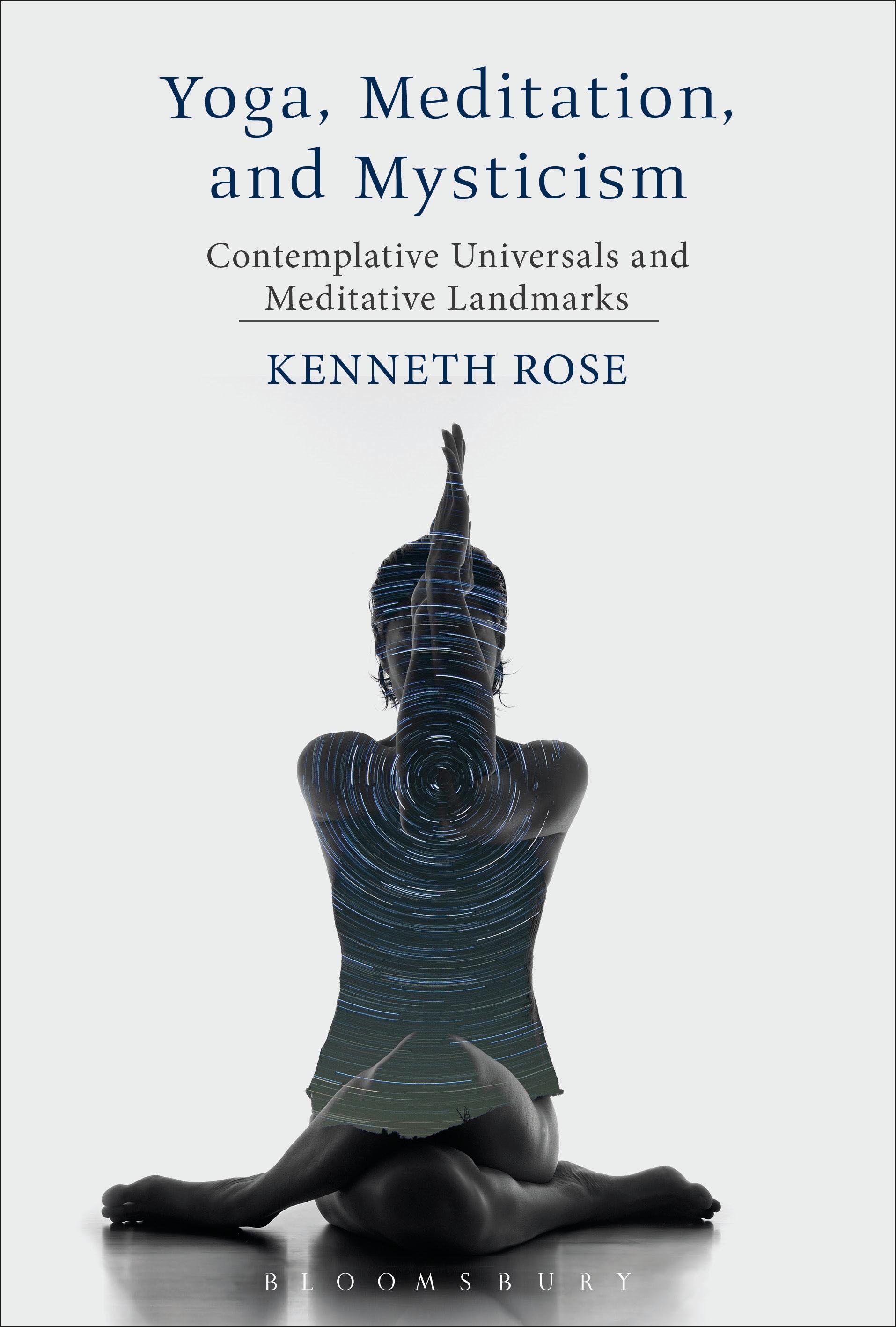
Contemplative experience is central to Hindu yoga traditions, Buddhist meditation practices, and Catholic mystical theology, and, despite doctrinal differences, it expresses itself in suggestively similar meditative landmarks in each of these three meditative systems.
In Yoga, Meditation and Mysticism, Kenneth Rose shifts the dominant focus of contemporary religious studies away from tradition-specific studies of individual religious traditions, communities, and practices to examine the 'contemplative universals' that arise globally in meditative experience. Through a comparative exploration of the itineraries detailed in the contemplative manuals of Theravada Buddhism, Patañjalian Yoga, and Catholic mystical theology, Rose identifies in each tradition a moment of sharply focused awareness that marks the threshold between immersion in mundane consciousness and contemplative insight. As concentration deepens, the meditator steps through this threshold onto a globally shared contemplative itinerary, which leads through a series of virtually identical stages to mental stillness and insight. Rose argues that these contemplative universals, familiar to experienced contemplatives in multiple traditions, point to a common spiritual, mental, and biological heritage.
Pioneering the exploration of contemplative practice and experience with a comparative perspective that ranges over multiple religious traditions, religious studies, philosophy, neuroscience, and the cognitive science of religion, this book is a landmark contribution to the fields of contemplative practice and religious studies.
In Yoga, Meditation and Mysticism, Kenneth Rose shifts the dominant focus of contemporary religious studies away from tradition-specific studies of individual religious traditions, communities, and practices to examine the 'contemplative universals' that arise globally in meditative experience. Through a comparative exploration of the itineraries detailed in the contemplative manuals of Theravada Buddhism, Patañjalian Yoga, and Catholic mystical theology, Rose identifies in each tradition a moment of sharply focused awareness that marks the threshold between immersion in mundane consciousness and contemplative insight. As concentration deepens, the meditator steps through this threshold onto a globally shared contemplative itinerary, which leads through a series of virtually identical stages to mental stillness and insight. Rose argues that these contemplative universals, familiar to experienced contemplatives in multiple traditions, point to a common spiritual, mental, and biological heritage.
Pioneering the exploration of contemplative practice and experience with a comparative perspective that ranges over multiple religious traditions, religious studies, philosophy, neuroscience, and the cognitive science of religion, this book is a landmark contribution to the fields of contemplative practice and religious studies.
Betal enkelt med kort, Klarna, Apple Pay eller Google Pay. Ikke fornøyd? Du har alltid 14 dagers angrerett. Les mer i våre vilkår. Har du spørsmål, send oss en e-post på hello@memmo.org.
Memmo gjør det enklere å studere – uansett hvor du er i verden. Hos oss samler du pensumbøker og smarte studieverktøy på ett og samme sted: sammendrag, quizer, podkaster og flashcards. Og så Ted, din studiekompis som svarer på alt du lurer på. Over 50 000 studenter studerer allerede her – bygget for at du skal lære raskere og stresse mindre.