
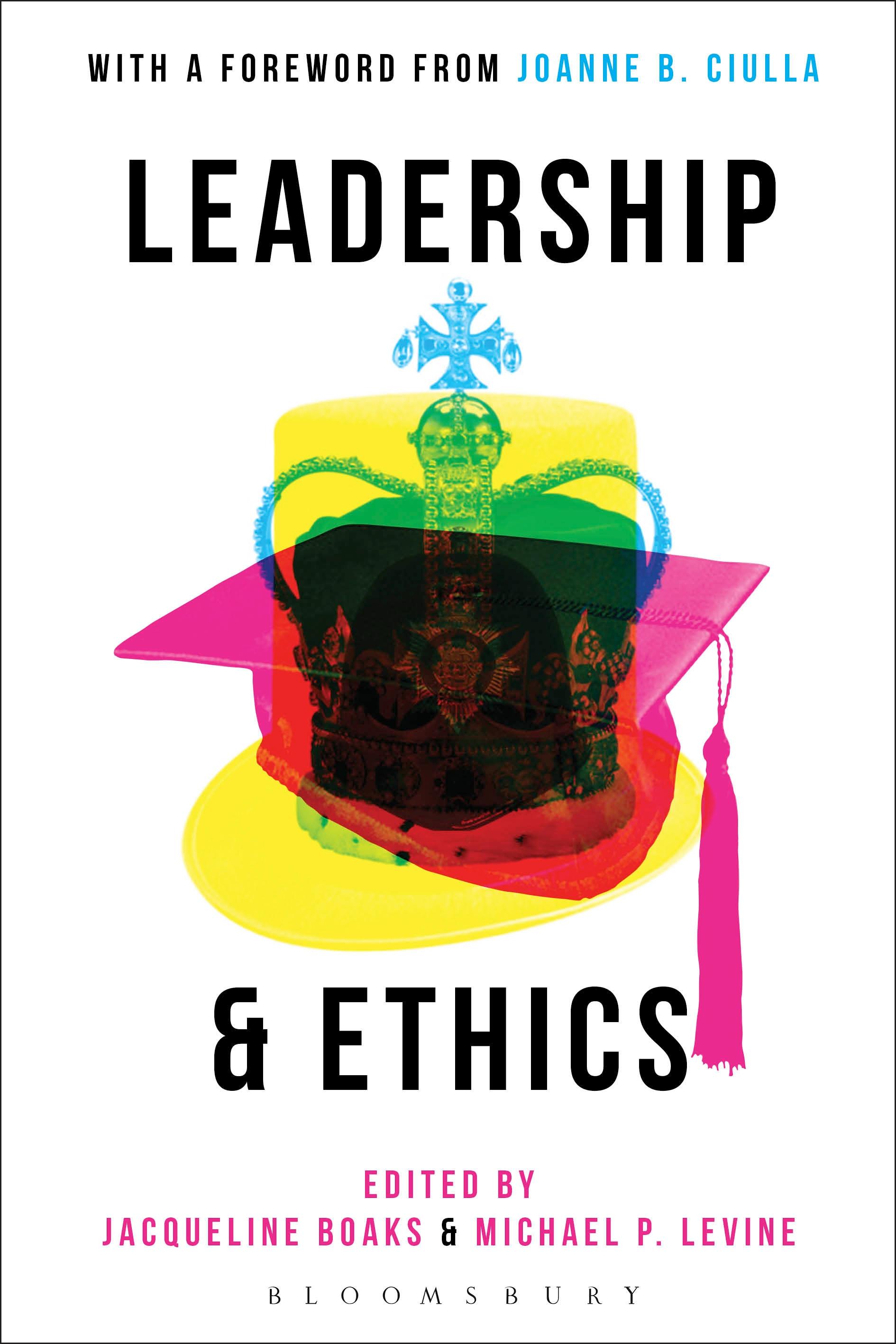
Contemporary discussions about the nature of leadership abound. But what constitutes a good leader? Are ethics and leadership even compatible?
Accounts of leadership often lie at either end of an ethical spectrum: on one end are accounts that argue ethics are intrinsically linked to leadership; on the other are (Machiavellian) views that deny any such link-intrinsic or extrinsic. Leadership appears to require a normative component of virtue; otherwise 'leadership' amounts to no more than mere power or influence. But are such accounts coherent and justifiable?
Approaching a controversial topic, this series of essays tackles key questions from a range of philosophical perspectives, considering the nature of leadership separate from any formal office or role and how it shapes the world we live in.
Accounts of leadership often lie at either end of an ethical spectrum: on one end are accounts that argue ethics are intrinsically linked to leadership; on the other are (Machiavellian) views that deny any such link-intrinsic or extrinsic. Leadership appears to require a normative component of virtue; otherwise 'leadership' amounts to no more than mere power or influence. But are such accounts coherent and justifiable?
Approaching a controversial topic, this series of essays tackles key questions from a range of philosophical perspectives, considering the nature of leadership separate from any formal office or role and how it shapes the world we live in.
Betal enkelt med kort, Klarna, Apple Pay eller Google Pay. Ikke fornøyd? Du har alltid 14 dagers angrerett. Les mer i våre vilkår. Har du spørsmål, send oss en e-post på hello@memmo.org.
Memmo gjør det enklere å studere – uansett hvor du er i verden. Hos oss samler du pensumbøker og smarte studieverktøy på ett og samme sted: sammendrag, quizer, podkaster og flashcards. Og så Ted, din studiekompis som svarer på alt du lurer på. Over 50 000 studenter studerer allerede her – bygget for at du skal lære raskere og stresse mindre.