
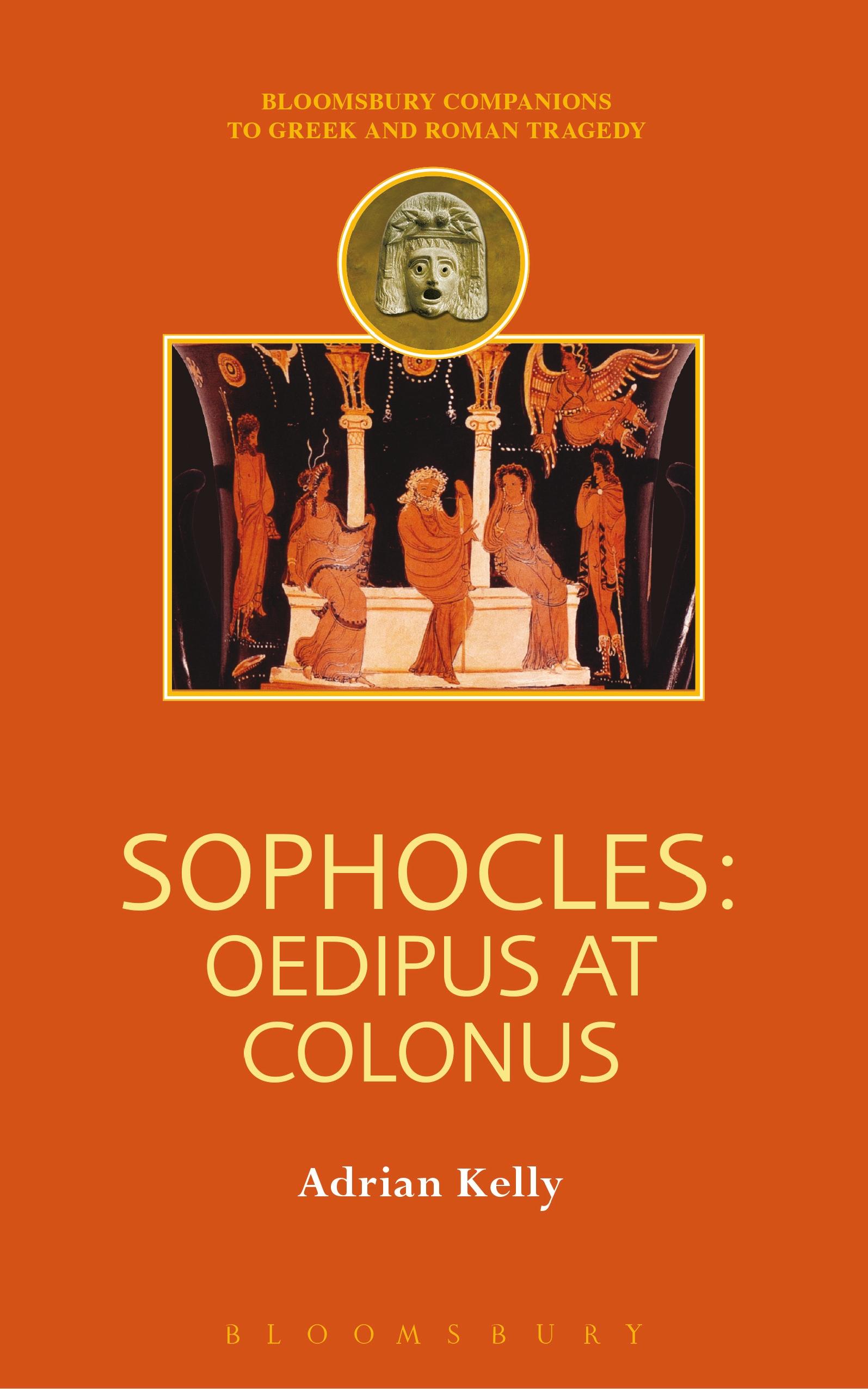
In his final play, Sophocles returns to the ever-popular character of Oedipus, the blind outcast of Thebes, the ultimate symbol of human reversal, whose fall he had so memorably treated in the 'Oedipus Tyrannus'. In this play, Sophocles brings the aged Oedipus to Athens, where he seeks succour and finds refuge, despite the threatening arrival of his kinsman Creon, who tries to tempt and then force the old man back under Theban control. Oedipus' resistance shows a fierceness in no way dimmed by incapacity, but he also refuses to aid his repentant son, Polyneices, in his coming attack on Thebes, manifesting once more the passion and harshness which mark his character so thoroughly. His mysterious death at the end of the play, witnessed only by Theseus himself, seems the sole fitting end for such an exceptional and problematic figure, transforming Oedipus into one of the 'powerful dead' whose beneficence towards Athens heralds a positive future for the city. This useful companion provides background, context, a synopsis and detailed analysis of the play.
Betal enkelt med kort, Klarna, Apple Pay eller Google Pay. Ikke fornøyd? Du har alltid 14 dagers angrerett. Les mer i våre vilkår. Har du spørsmål, send oss en e-post på hello@memmo.org.
Memmo gjør det enklere å studere – uansett hvor du er i verden. Hos oss samler du pensumbøker og smarte studieverktøy på ett og samme sted: sammendrag, quizer, podkaster og flashcards. Og så Ted, din studiekompis som svarer på alt du lurer på. Over 50 000 studenter studerer allerede her – bygget for at du skal lære raskere og stresse mindre.