
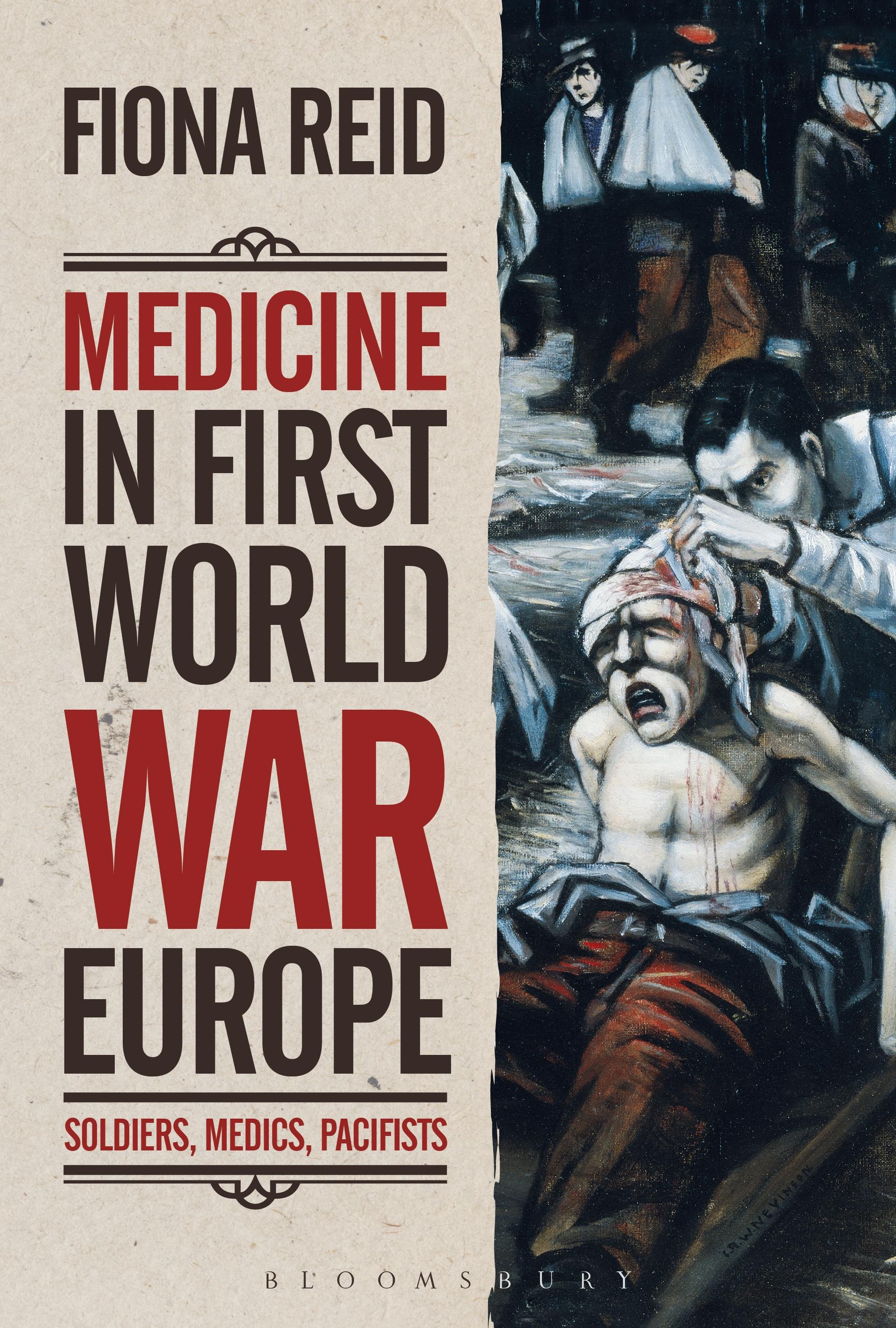
The casualty rates of the First World War were unprecedented: approximately 10 million combatants were wounded from Britain, France and Germany alone. In consequence, military-medical services expanded and the war ensured that medical professionals became firmly embedded within the armed services. In a situation of total war civilians on the home front came into more contact than before with medical professionals, and even pacifists played a significant medical role.
Medicine in First World War Europe re-visits the casualty clearing stations and the hospitals of the First World War, and tells the stories of those who were most directly involved: doctors, nurses, wounded men and their families. Fiona Reid explains how military medicine interacts with the concerns, the cultures and the behaviours of the civilian world, treating the history of wartime military medicine as an integral part of the wider social and cultural history of the First World War.
Medicine in First World War Europe re-visits the casualty clearing stations and the hospitals of the First World War, and tells the stories of those who were most directly involved: doctors, nurses, wounded men and their families. Fiona Reid explains how military medicine interacts with the concerns, the cultures and the behaviours of the civilian world, treating the history of wartime military medicine as an integral part of the wider social and cultural history of the First World War.
Betal enkelt med kort, Klarna, Apple Pay eller Google Pay. Ikke fornøyd? Du har alltid 14 dagers angrerett. Les mer i våre vilkår. Har du spørsmål, send oss en e-post på hello@memmo.org.
Memmo gjør det enklere å studere – uansett hvor du er i verden. Hos oss samler du pensumbøker og smarte studieverktøy på ett og samme sted: sammendrag, quizer, podkaster og flashcards. Og så Ted, din studiekompis som svarer på alt du lurer på. Over 50 000 studenter studerer allerede her – bygget for at du skal lære raskere og stresse mindre.