
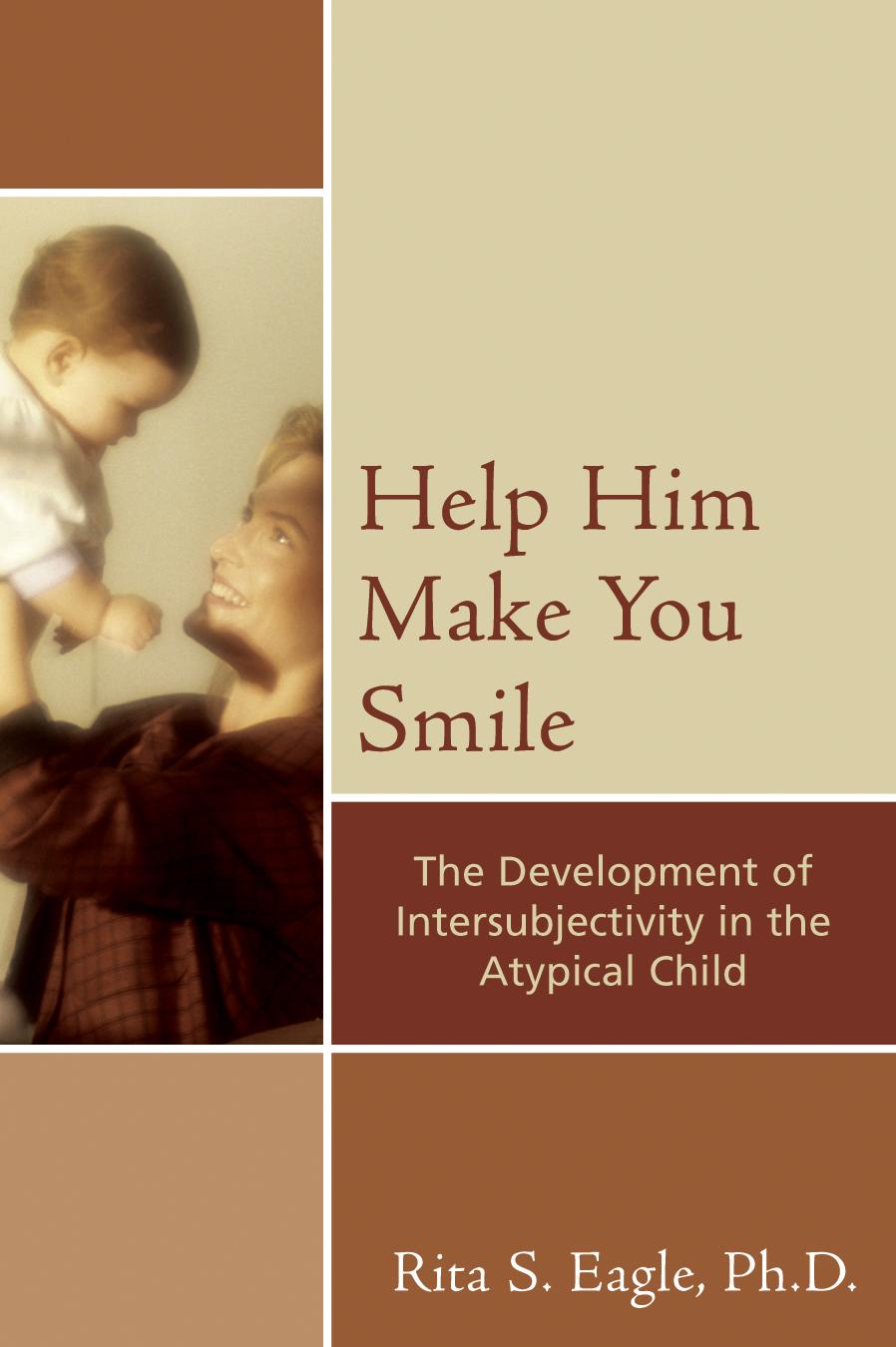
Intersubjectivity refers to the motivation and capacity to connect and share one's own inner world with that of another person. This book addresses the questions: how does this precious human communication develop in infancy, and what can or should be done when it does not develop? The author presents a unique chronicle describing the day-by- day emergence of intersubjectivity in her infant son, born with neurodevelopmental disabilities. These observations are analyzed in the context of a critical review of theory and research about intersubjectivity in normal children and in children with atypical development. From both sources emerges a model for how intersubjectivity develops in the parent-infant interaction, and guidelines for how to intervene when it does not. While acknowledging the inroads that have been made in understanding this unique human capacity, the author points to the questions that remain to be addressed in future research. The book ends with a rare opportunity to follow the trajectory of her son's capacity for intersubjectivity over a period of more than thirty years. It is addressed to theorists and researchers; clinicians who work with infants and children with developmental disorders and their families; and parents who want to understand their children's development.
Betal enkelt med kort, Klarna, Apple Pay eller Google Pay. Ikke fornøyd? Du har alltid 14 dagers angrerett. Les mer i våre vilkår. Har du spørsmål, send oss en e-post på hello@memmo.org.
Memmo gjør det enklere å studere – uansett hvor du er i verden. Hos oss samler du pensumbøker og smarte studieverktøy på ett og samme sted: sammendrag, quizer, podkaster og flashcards. Og så Ted, din studiekompis som svarer på alt du lurer på. Over 50 000 studenter studerer allerede her – bygget for at du skal lære raskere og stresse mindre.