
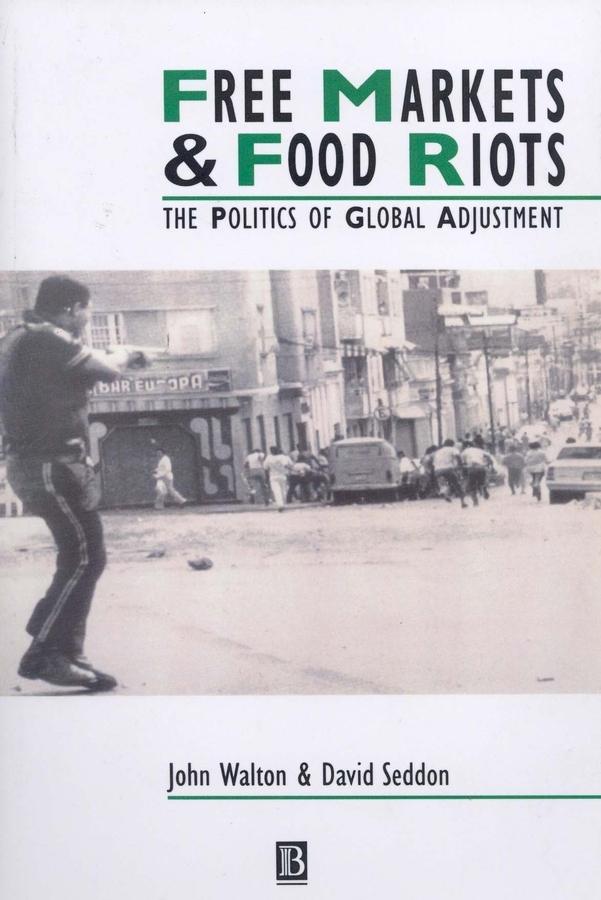
This book describes and explains the extraordinary wave of popular protest that swept across the so-called Third World and the countries of the former socialist bloc during the period from the late 1970s to the early 1990s, in response to the mounting debt crisis and the austerity measures widely adopted as part of economic "reform" and "adjustment".
- Explores this general proposition in a cross-national study of the austerity protests, or the 'IMF Riots' that have affected so many debtor nations since the mid-1970s
- Argues that modern austerity protests, like the classical "bread riots" in eighteenth-century Europe are political acts aimed at injustice, but acts that are an integral part of the process of international economic and political restructuring
- Evaluates how modern food riots are most important for what they reveal about global economic transformation and its social, and political, consequences
- Provides a general framework (drawing on comparative and historical material) and then trace the cycle of uneven development, debt, neo-liberal reform, and protest in Latin America, Africa, Asia, the Middle East, and Eastern Europe
- Focusses on the role of women in structural adjustment and protest politics and the features of seemingly anomalous cases which qualify the general argument
Betal enkelt med kort, Klarna, Apple Pay eller Google Pay. Ikke fornøyd? Du har alltid 14 dagers angrerett. Les mer i våre vilkår. Har du spørsmål, send oss en e-post på hello@memmo.org.
Memmo gjør det enklere å studere – uansett hvor du er i verden. Hos oss samler du pensumbøker og smarte studieverktøy på ett og samme sted: sammendrag, quizer, podkaster og flashcards. Og så Ted, din studiekompis som svarer på alt du lurer på. Over 50 000 studenter studerer allerede her – bygget for at du skal lære raskere og stresse mindre.