
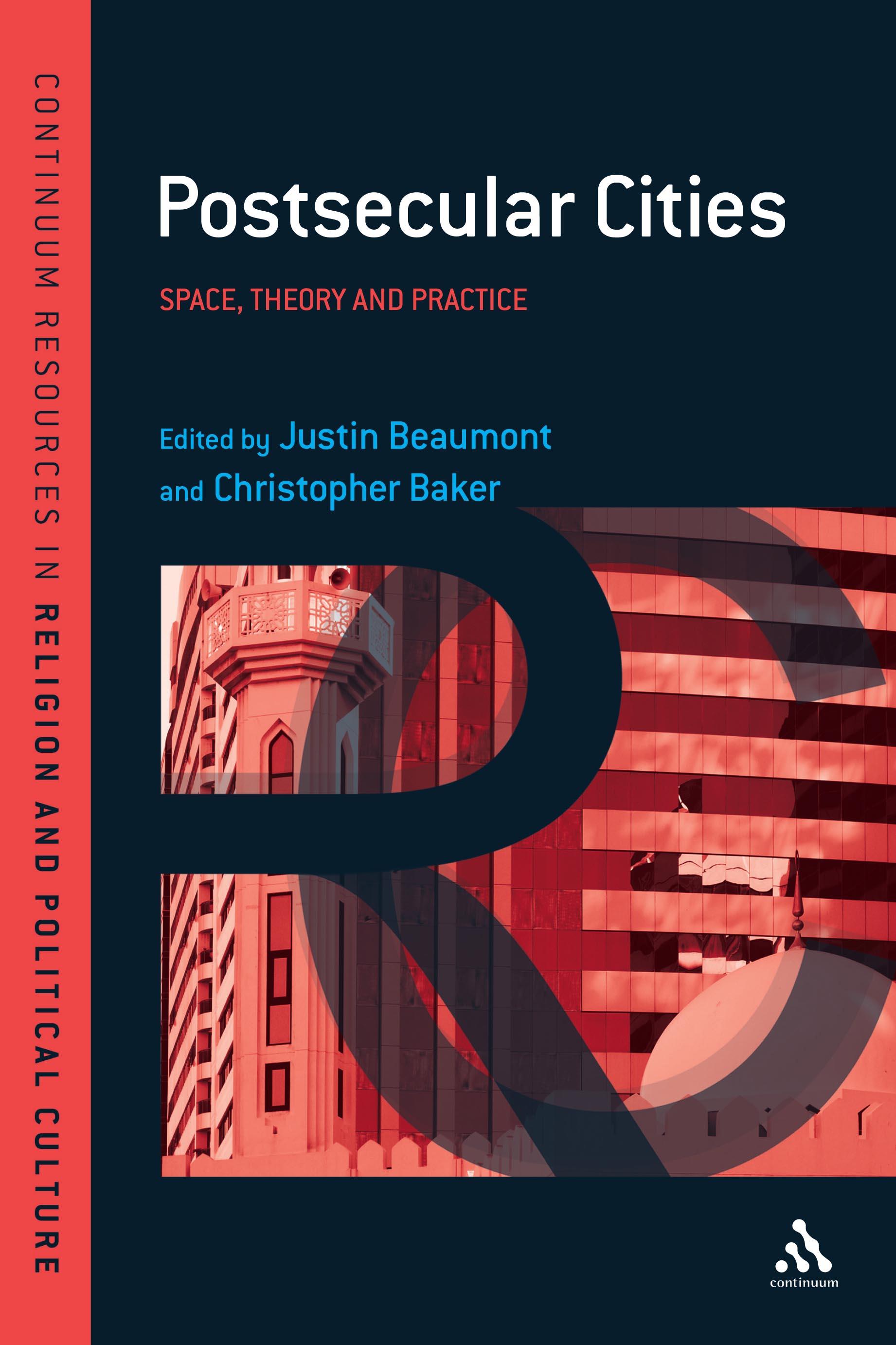
This book reflects the wide-spread belief that the twenty-first century is evolving in a significantly different way to the twentieth, which witnessed the advance of human rationality and technological progress, including urbanisation, and called into question the public and cultural significance of religion. In this century, by contrast, religion, faith communities and spiritual values have returned to the centre of public life, especially public policy, governance, and social identity. Rapidly diversifying urban locations are the best places to witness the emergence of new spaces in which religions and spiritual traditions are creating both new alliances but also bifurcations with secular sectors. Postsecular Cities examines how the built environment reflects these trends. Recognizing that the 'turn to the postsecular' is a contested and multifaceted trend, the authors offer a vigorous, open but structured dialogue between theory and practice, but even more excitingly, between the disciplines of human geography and theology. Both disciplines reflect on this powerful but enigmatic force shaping our urban humanity. This unique volume offers the first insight into these interdisciplinary and challenging debates.
Betal enkelt med kort, Klarna, Apple Pay eller Google Pay. Ikke fornøyd? Du har alltid 14 dagers angrerett. Les mer i våre vilkår. Har du spørsmål, send oss en e-post på hello@memmo.org.
Memmo gjør det enklere å studere – uansett hvor du er i verden. Hos oss samler du pensumbøker og smarte studieverktøy på ett og samme sted: sammendrag, quizer, podkaster og flashcards. Og så Ted, din studiekompis som svarer på alt du lurer på. Over 50 000 studenter studerer allerede her – bygget for at du skal lære raskere og stresse mindre.