
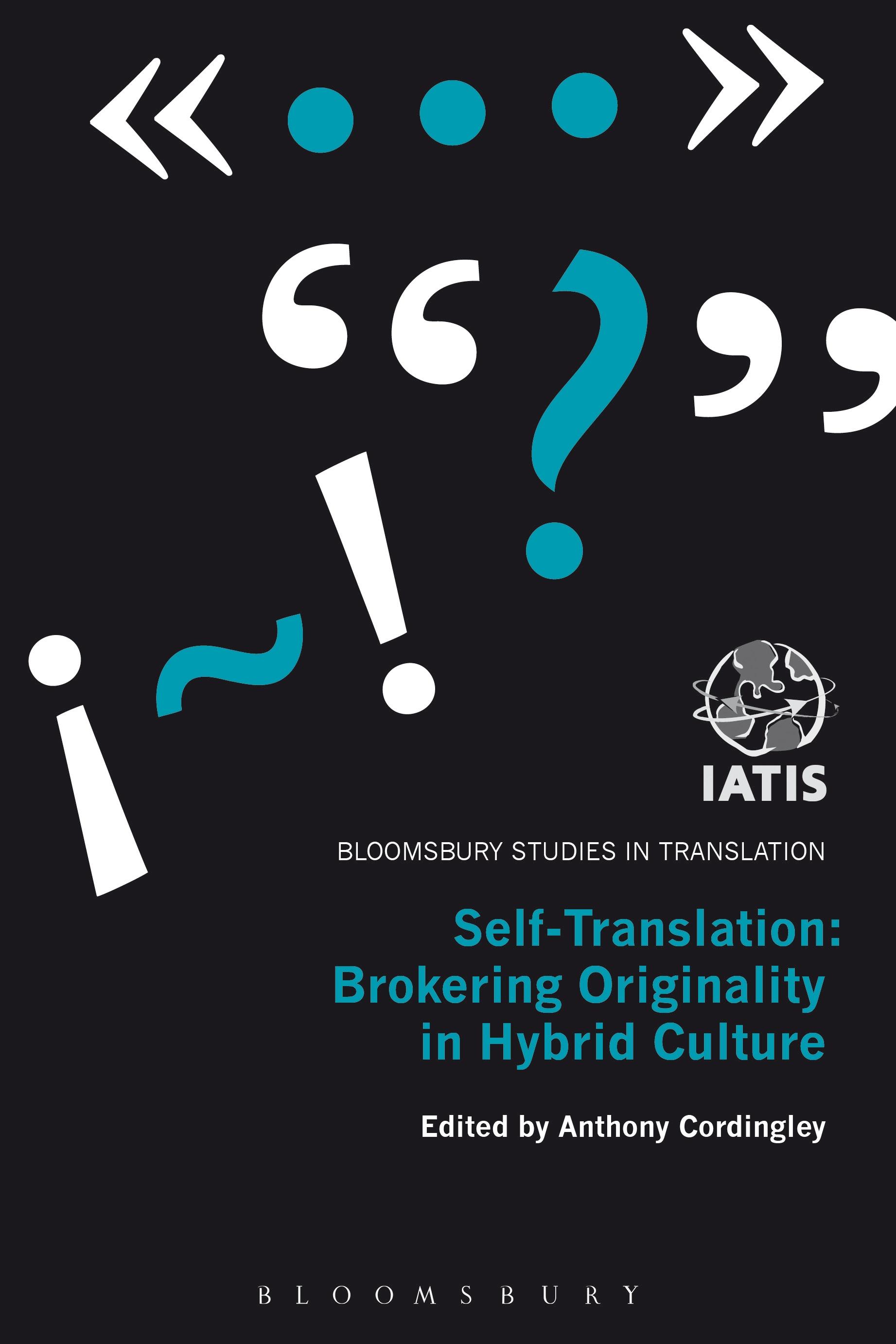
Self-Translation: Brokering originality in hybrid
culture provides critical, historical and interdisciplinary analyses of
self-translators and their works. It investigates the challenges which the
bilingual oeuvre and the experience of the self-translator pose to conventional
definitions of translation and the problematic dichotomies of "original" and
"translation", "author" and "translator". Canonical self-translators, such
Samuel Beckett, Vladimir Nabokov and Rabindranath Tagore, are here discussed in
the context of previously overlooked self-translators, from Japan to South
Africa, from the Basque Country to Scotland. This book seeks therefore to offer
a portrait of the diverse artistic and political objectives and priorities of
self-translators by investigating different cosmopolitan, post-colonial and
indigenous practices. Numerous contributions to this volume extend the scope of
self-translation to include the composition of a work out of a multilingual
consciousness or society. They demonstrate how production within hybrid
contexts requires the negotiation of different languages within the self,
generating powerful experiences, from crisis to liberation, and texts that
offer key insights into our increasingly globalized culture.
culture provides critical, historical and interdisciplinary analyses of
self-translators and their works. It investigates the challenges which the
bilingual oeuvre and the experience of the self-translator pose to conventional
definitions of translation and the problematic dichotomies of "original" and
"translation", "author" and "translator". Canonical self-translators, such
Samuel Beckett, Vladimir Nabokov and Rabindranath Tagore, are here discussed in
the context of previously overlooked self-translators, from Japan to South
Africa, from the Basque Country to Scotland. This book seeks therefore to offer
a portrait of the diverse artistic and political objectives and priorities of
self-translators by investigating different cosmopolitan, post-colonial and
indigenous practices. Numerous contributions to this volume extend the scope of
self-translation to include the composition of a work out of a multilingual
consciousness or society. They demonstrate how production within hybrid
contexts requires the negotiation of different languages within the self,
generating powerful experiences, from crisis to liberation, and texts that
offer key insights into our increasingly globalized culture.
Betal enkelt med kort, Klarna, Apple Pay eller Google Pay. Ikke fornøyd? Du har alltid 14 dagers angrerett. Les mer i våre vilkår. Har du spørsmål, send oss en e-post på hello@memmo.org.
Memmo gjør det enklere å studere – uansett hvor du er i verden. Hos oss samler du pensumbøker og smarte studieverktøy på ett og samme sted: sammendrag, quizer, podkaster og flashcards. Og så Ted, din studiekompis som svarer på alt du lurer på. Over 50 000 studenter studerer allerede her – bygget for at du skal lære raskere og stresse mindre.