
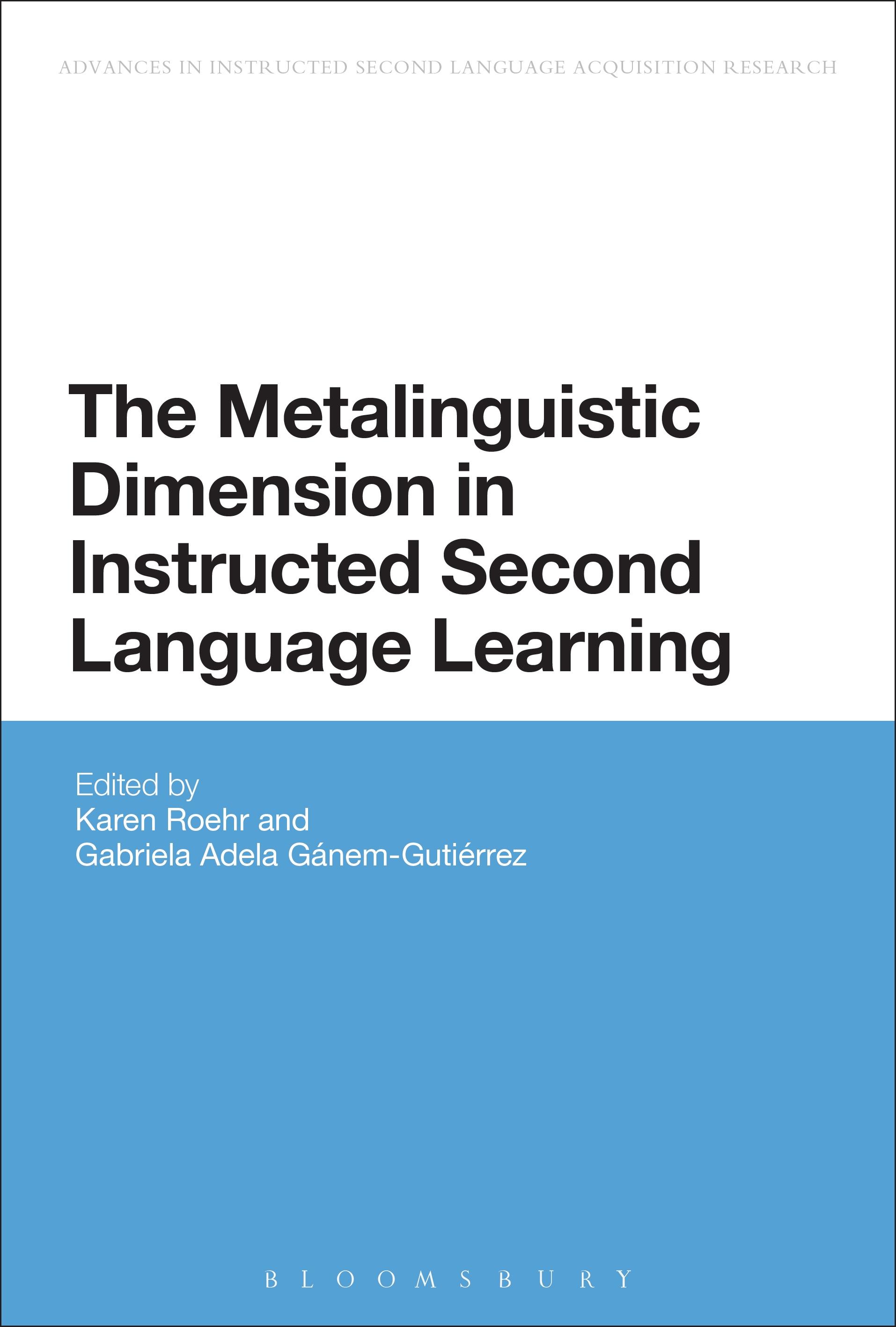
The metalinguistic dimension refers to the way in which learners bring to bear knowledge about language into their learning of a second language, the "L2". This book brings together new research on the metalinguistic dimension, given its increasing importance in the study of L2 acquisition.
In applied linguistics it is widely accepted that L2 learners develop and use knowledge about language when engaging with the challenging task of acquiring a new language; this applies to both children and adults. It is definitions of the metalinguistic dimension that vary, and findings regarding its role in L2 learning are not necessarily homogenous or compatible. The scope exists for further, empirical, detailed research. This book explores the nature, development and role of the metalinguistic dimension and will be essential reading for all SLA scholars and those working in language and education.
In applied linguistics it is widely accepted that L2 learners develop and use knowledge about language when engaging with the challenging task of acquiring a new language; this applies to both children and adults. It is definitions of the metalinguistic dimension that vary, and findings regarding its role in L2 learning are not necessarily homogenous or compatible. The scope exists for further, empirical, detailed research. This book explores the nature, development and role of the metalinguistic dimension and will be essential reading for all SLA scholars and those working in language and education.
Betal enkelt med kort, Klarna, Apple Pay eller Google Pay. Ikke fornøyd? Du har alltid 14 dagers angrerett. Les mer i våre vilkår. Har du spørsmål, send oss en e-post på hello@memmo.org.
Memmo gjør det enklere å studere – uansett hvor du er i verden. Hos oss samler du pensumbøker og smarte studieverktøy på ett og samme sted: sammendrag, quizer, podkaster og flashcards. Og så Ted, din studiekompis som svarer på alt du lurer på. Over 50 000 studenter studerer allerede her – bygget for at du skal lære raskere og stresse mindre.