
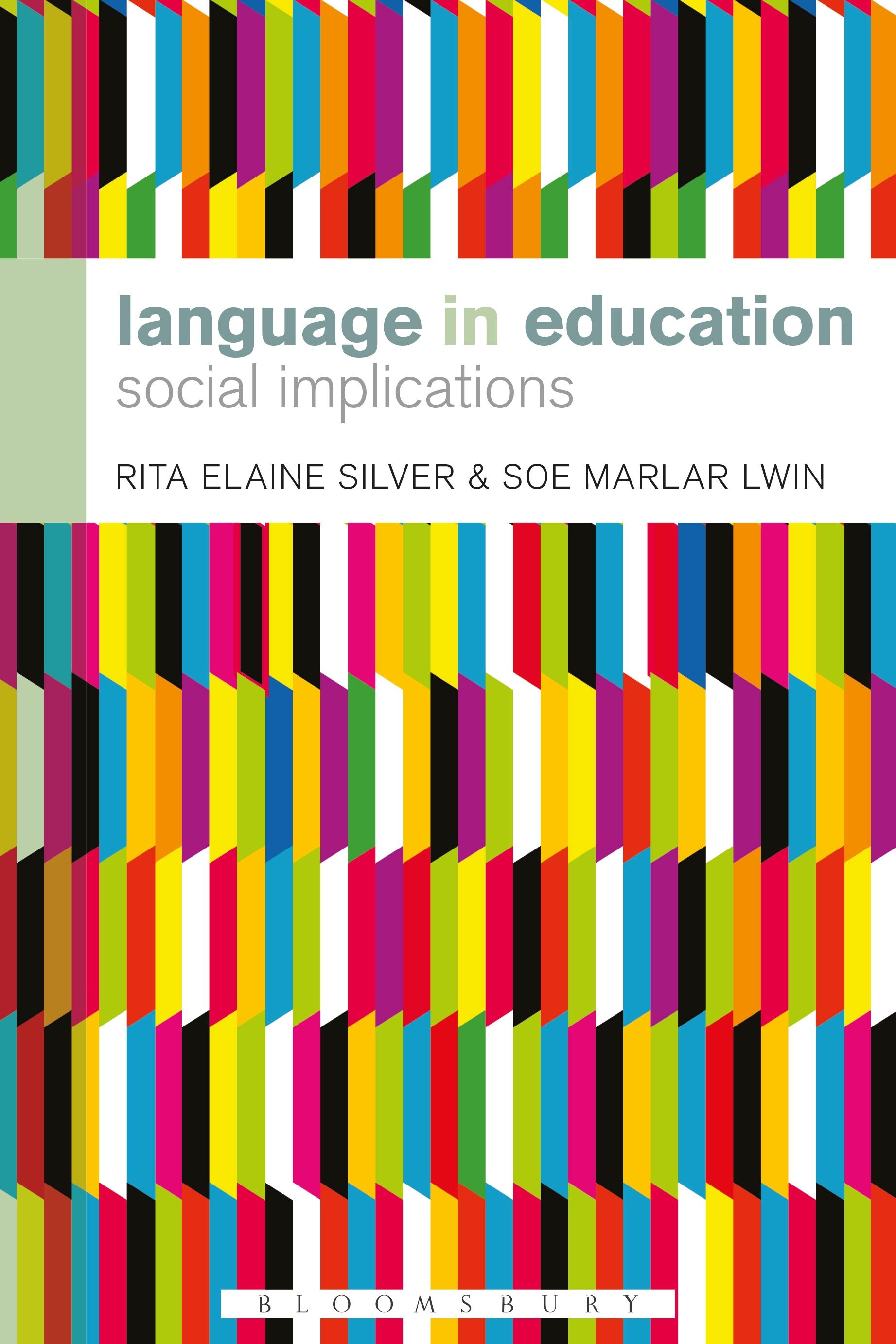
Teachers in any subject area must have a basic understanding of how language is learned and used in educational contexts because language impacts teaching and learning across all subjects. This book is written specifically for those teachers and teacher traineeslearning to teach who want to know more about language learning and use in educational contexts and, especially, those who care about the social implications of language in education.
Chapters address crucial questions that teachers must address:
How is language structured?
How is language learned at home and in school, by first, second and bilingual language learners?
How is language used in classrooms to shape learning?
How does language vary in different regions and due to social characteristics of users?
How can language be used to make meaning in different modes (oral/written) and contexts?
How do language policies intersect with education policies, and how do these impact teachers?
The chapters are full of examples of language use in educational contexts to help readers understand language in action. The examples not only highlight key points, they also provide opportunities for readers to deepen their understanding by experiencing analysis of language. Each chapter closes with a discussion of relevance to educational settings and questions which can be used for in-class discussion or personal reflection. Suggestions for further readings and online viewing are included, and a comprehensive companion website is available
Chapters address crucial questions that teachers must address:
How is language structured?
How is language learned at home and in school, by first, second and bilingual language learners?
How is language used in classrooms to shape learning?
How does language vary in different regions and due to social characteristics of users?
How can language be used to make meaning in different modes (oral/written) and contexts?
How do language policies intersect with education policies, and how do these impact teachers?
The chapters are full of examples of language use in educational contexts to help readers understand language in action. The examples not only highlight key points, they also provide opportunities for readers to deepen their understanding by experiencing analysis of language. Each chapter closes with a discussion of relevance to educational settings and questions which can be used for in-class discussion or personal reflection. Suggestions for further readings and online viewing are included, and a comprehensive companion website is available
Betal enkelt med kort, Klarna, Apple Pay eller Google Pay. Ikke fornøyd? Du har alltid 14 dagers angrerett. Les mer i våre vilkår. Har du spørsmål, send oss en e-post på hello@memmo.org.
Memmo gjør det enklere å studere – uansett hvor du er i verden. Hos oss samler du pensumbøker og smarte studieverktøy på ett og samme sted: sammendrag, quizer, podkaster og flashcards. Og så Ted, din studiekompis som svarer på alt du lurer på. Over 50 000 studenter studerer allerede her – bygget for at du skal lære raskere og stresse mindre.