
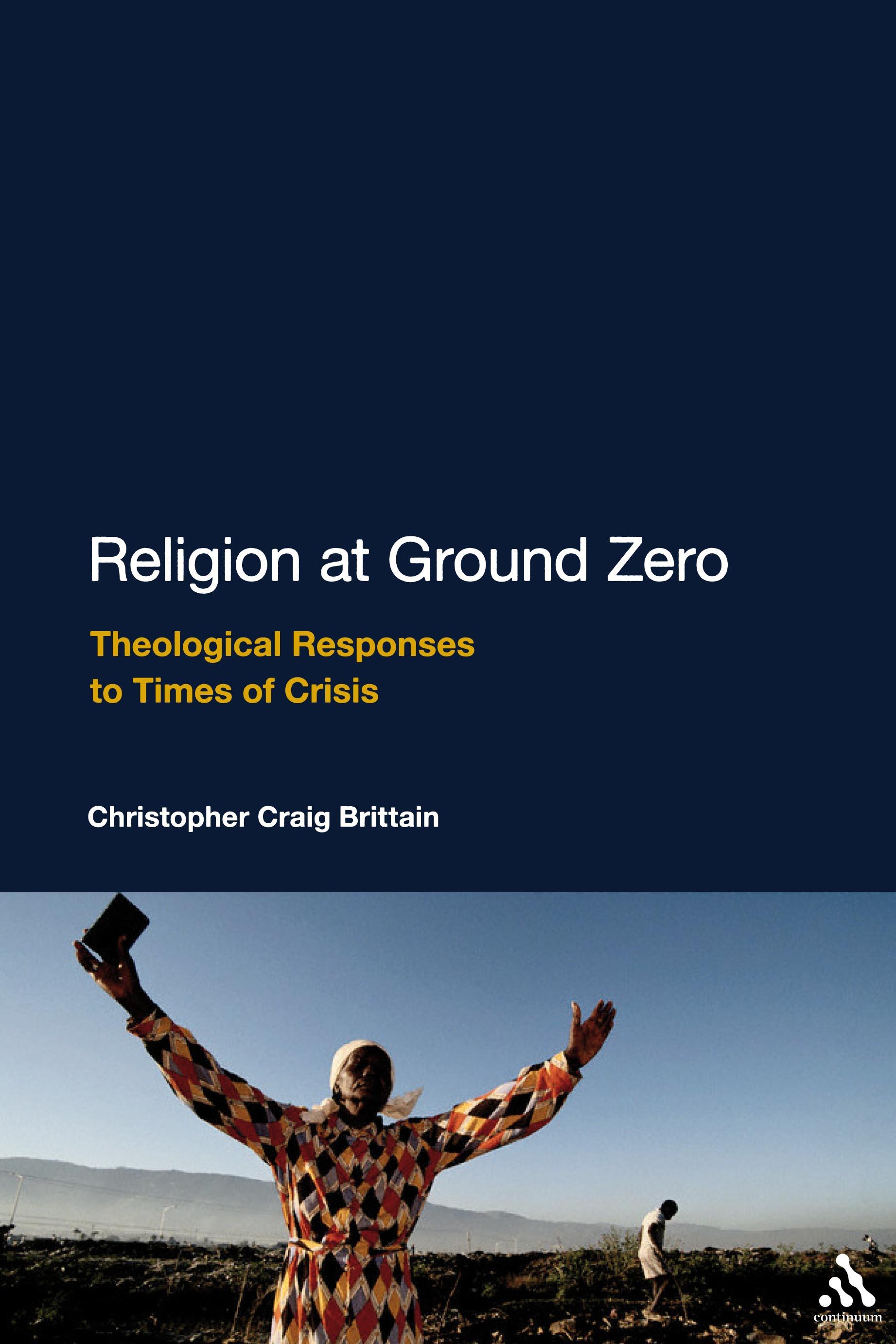
'The world will never be the same!' How many times have human beings uttered this cry after a tragic event? This book analyzes how such emotive reactions impact on the way religion is understood, exploring theological responses to human tragedy and cultural shock by focusing on reactions to the terrorist attacks of 9/11 and 7/7, the two World Wars and the Holocaust, the 2004 South-East Asian tsunami, Hurricane Katrina and the 2010 earthquake in Haiti. It discusses themes such as the theodicy question, the function of religious discourse in the face of tragedy, and the relationship between religion and politics.
The book explores the tension between religion's capacity to both cause and enhance the suffering and destruction surrounding historical tragedies, but also its potential to serve as a powerful resource for responding to such disasters. Analyzing this dialectic, it engages with the work of Slavoj Žižek, Karl Barth, Theodor Adorno, Emil Fackenheim and Rowan Williams, examining the role of belief, difficulties of overcoming the influence of ideology, and the significance of trust and humility.
The book explores the tension between religion's capacity to both cause and enhance the suffering and destruction surrounding historical tragedies, but also its potential to serve as a powerful resource for responding to such disasters. Analyzing this dialectic, it engages with the work of Slavoj Žižek, Karl Barth, Theodor Adorno, Emil Fackenheim and Rowan Williams, examining the role of belief, difficulties of overcoming the influence of ideology, and the significance of trust and humility.
Betal enkelt med kort, Klarna, Apple Pay eller Google Pay. Ikke fornøyd? Du har alltid 14 dagers angrerett. Les mer i våre vilkår. Har du spørsmål, send oss en e-post på hello@memmo.org.
Memmo gjør det enklere å studere – uansett hvor du er i verden. Hos oss samler du pensumbøker og smarte studieverktøy på ett og samme sted: sammendrag, quizer, podkaster og flashcards. Og så Ted, din studiekompis som svarer på alt du lurer på. Over 50 000 studenter studerer allerede her – bygget for at du skal lære raskere og stresse mindre.