
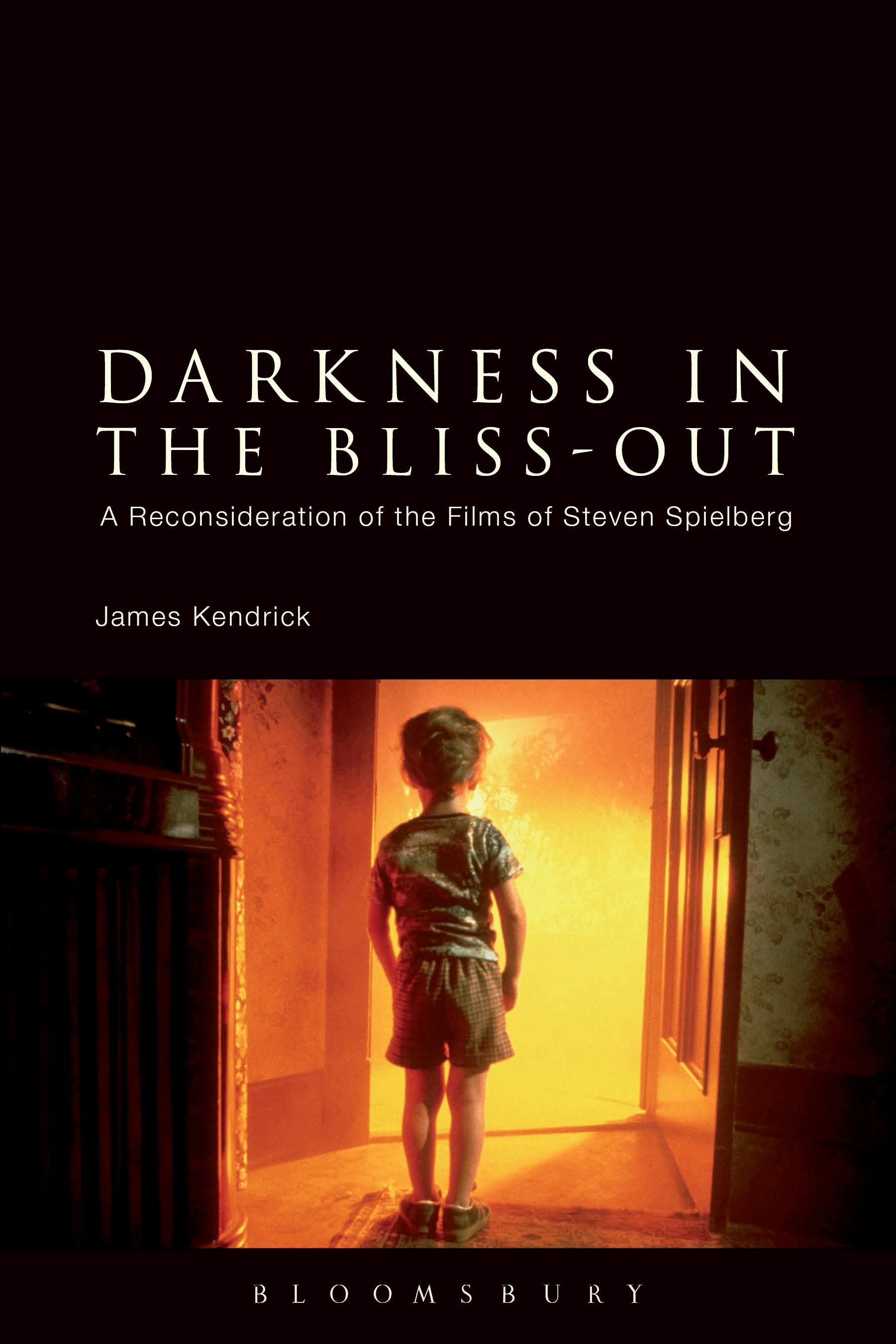
While there has been a significant outpouring of scholarship on Steven Spielberg over the past decade, his films are still frequently discussed as being paternalistic, escapist, and reliant on uncomplicated emotions and complicated special effects. Even those who view his work favorably often see it as essentially optimistic, reassuring, and conservative. James Kendrick takes an alternate view of Spielberg's cinema and proposes that his films-even the most popular ones that seem to trade in easy answers and comforting, reassuring notions of cohesion and narrative resolution-are significantly darker and more emotionally and ideologically complex than they are routinely given credit for.
Darkness in the Bliss-Out demonstrates, through close analysis of a wide range of Spielberg's films, that they are only reassuring on the surface, and that their depths embody a complex and sometimes contradictory view of the human condition.
Darkness in the Bliss-Out demonstrates, through close analysis of a wide range of Spielberg's films, that they are only reassuring on the surface, and that their depths embody a complex and sometimes contradictory view of the human condition.
Sider: 248
Kategori: Litteraturvetenskap & Teori
e-ISBN: 9781441112507
Fraktvekt: 1.2 kg
Sendes innen: 1-2 dager
Betal enkelt med kort, Klarna, Apple Pay eller Google Pay. Ikke fornøyd? Du har alltid 14 dagers angrerett. Les mer i våre vilkår. Har du spørsmål, send oss en e-post på hello@memmo.org.
Memmo gjør det enklere å studere – uansett hvor du er i verden. Hos oss samler du pensumbøker og smarte studieverktøy på ett og samme sted: sammendrag, quizer, podkaster og flashcards. Og så Ted, din studiekompis som svarer på alt du lurer på. Over 50 000 studenter studerer allerede her – bygget for at du skal lære raskere og stresse mindre.