
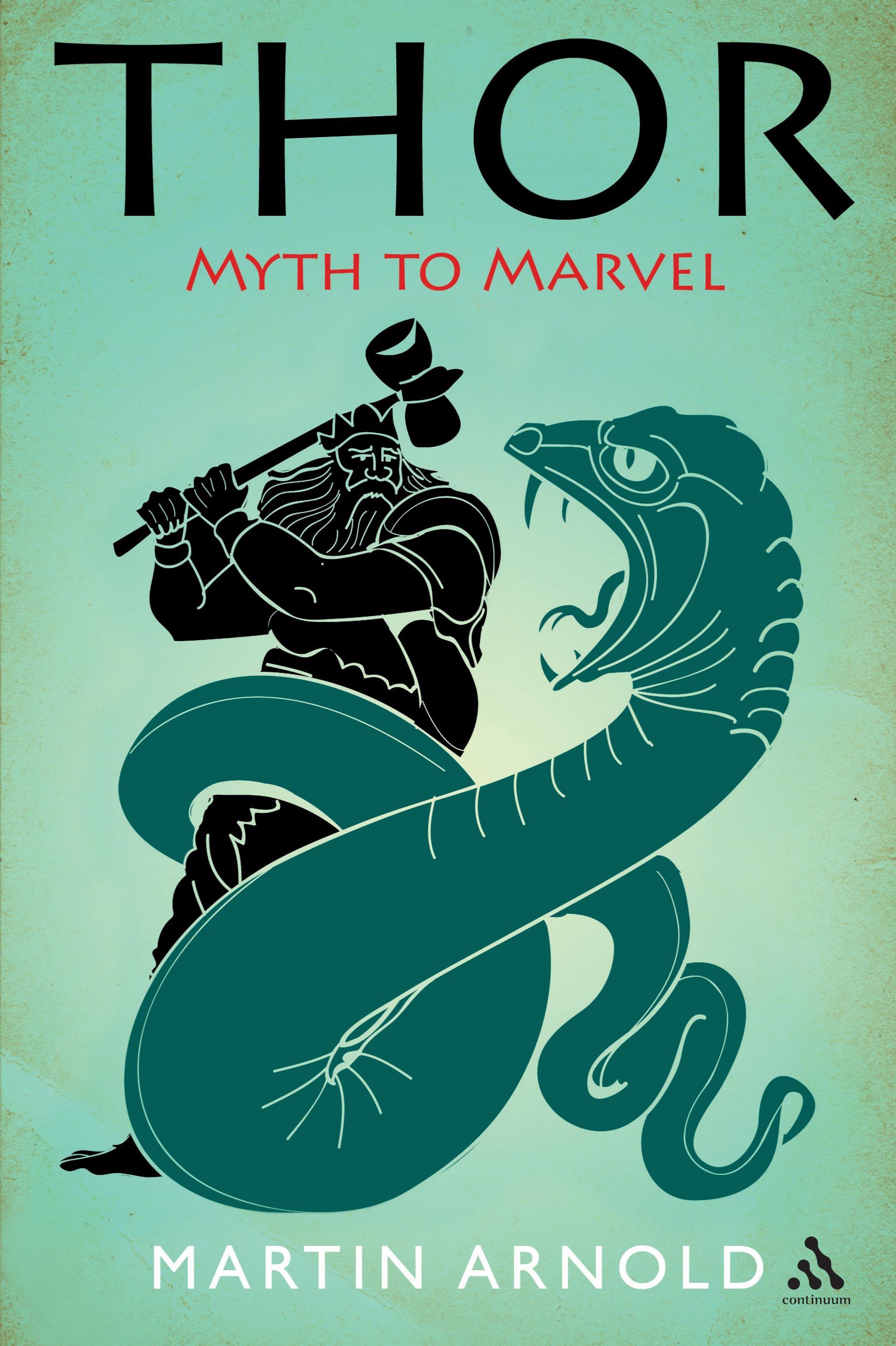
The myths of the Norse god Thor were preserved in the Icelandic Eddas, set down in the early Middle Ages. The bane of giants and trolls, Thor was worshipped as the last line of defence against all that threatened early Nordic society. Thor's significance persisted long after the Christian conversion and, in the mid-eighteenth century, Thor resumed a symbolic prominence among northern countries. Admired and adopted in Scandinavia and Germany, he became central to the rhetoric of national romanticism and to more belligerent assertions of nationalism. Resurrected in the latter part of the twentieth century in Marvel Magazine, Thor was further transformed into an articulation both of an anxious male sexuality and of a parallel nervousness regarding American foreign policy. Martin Arnold explores the extraordinary regard in which Thor has been held since medieval times and considers why and how his myth has been adopted, adapted and transformed.
Betal enkelt med kort, Klarna, Apple Pay eller Google Pay. Ikke fornøyd? Du har alltid 14 dagers angrerett. Les mer i våre vilkår. Har du spørsmål, send oss en e-post på hello@memmo.org.
Memmo gjør det enklere å studere – uansett hvor du er i verden. Hos oss samler du pensumbøker og smarte studieverktøy på ett og samme sted: sammendrag, quizer, podkaster og flashcards. Og så Ted, din studiekompis som svarer på alt du lurer på. Over 50 000 studenter studerer allerede her – bygget for at du skal lære raskere og stresse mindre.