
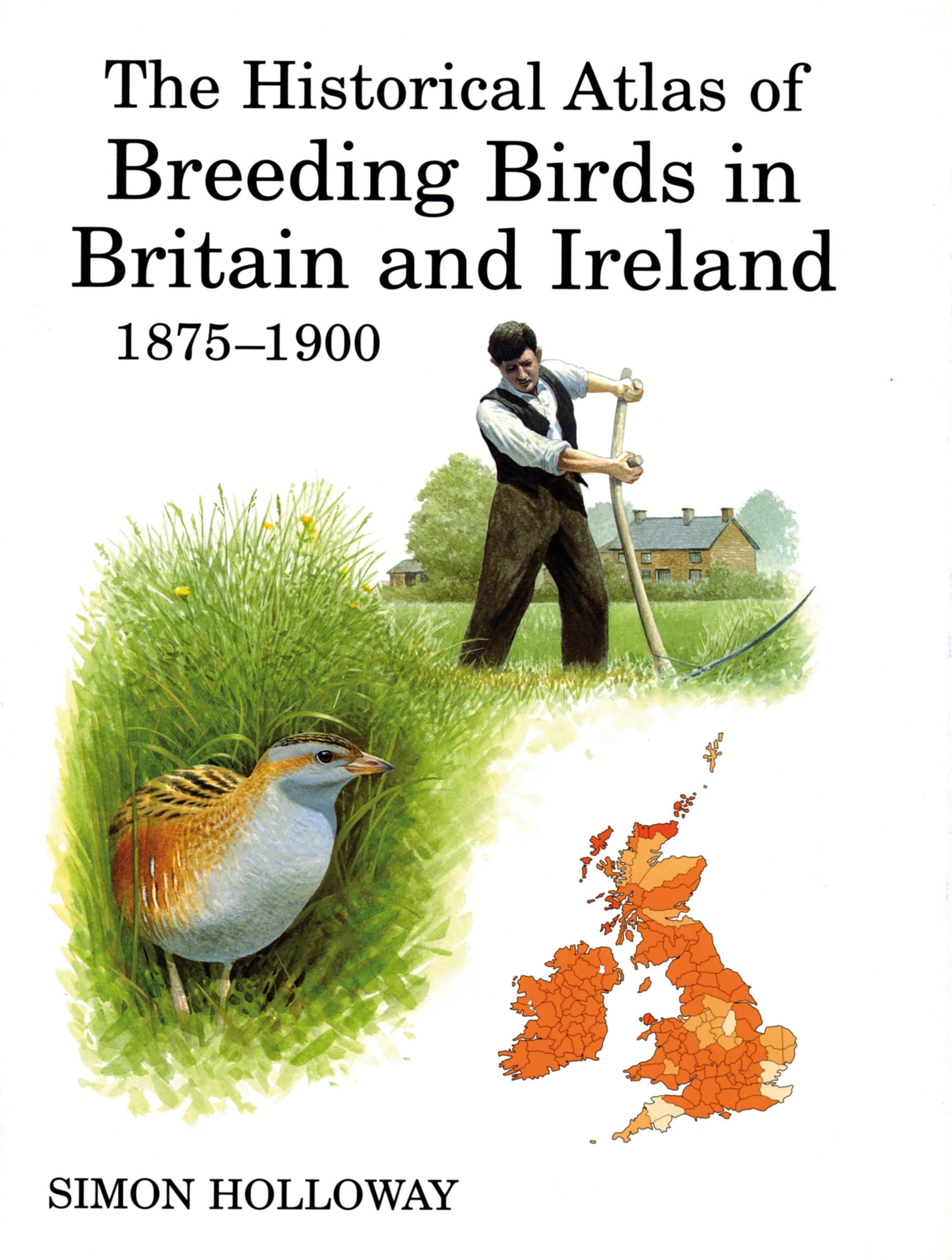
The landscape of Britain has been irreversibly changed over the last century. Modern agriculture, urban expansion, industry and transport have all left their mark, altering the face of the countryside forever. Shifting with the changing scene, the fortunes of Britain and Ireland's bird populations have fluctuated dramatically over the years. As current farming practices have evolved, the natural habitats and breeding patterns of many species have been disrupted. Urban and industrial growth has brought with it the pressures of new land use, pesticides, pollution and human interference. The activities of sportsmen, collectors and farmers have also taken their toll over the years. The new Poyser title The Historical Atlas of Breeding Birds in Britain and Ireland 1875-1900 is a fascinating book resulting form years of meticulous research by the author, Simon Holloway, who provides an absorbing account of the distribution changes of Britain and Ireland's birds over the last quarter of a century. Large colour distribution maps and their accompanying text paint a species-by-species picture of a period which completely transformed the landscape of this country.
It is, says Natural World magazine, "a classic case of 'why did no one write this book before?'...The experienced birder, using a knowledge of species requirements, can only marvel at what the long-vanished landscapes were then like." Birdwatch praises Simon Holloway's achievement, saying: "This book brings together so much information from disparate sources, and its status maps present such a clear picture of our late Victorian avifauna, that it should take its place beside the BTO atlases on the bookshelf." While Birdwatching adds: "If you are interested in the historical side of birds and their populations this book will be an endless source of fascination." As with all Poyser publications, the attention to detail, the lovingly produced illustrations and the sheer breadth of knowledge demonstrated by the autho
It is, says Natural World magazine, "a classic case of 'why did no one write this book before?'...The experienced birder, using a knowledge of species requirements, can only marvel at what the long-vanished landscapes were then like." Birdwatch praises Simon Holloway's achievement, saying: "This book brings together so much information from disparate sources, and its status maps present such a clear picture of our late Victorian avifauna, that it should take its place beside the BTO atlases on the bookshelf." While Birdwatching adds: "If you are interested in the historical side of birds and their populations this book will be an endless source of fascination." As with all Poyser publications, the attention to detail, the lovingly produced illustrations and the sheer breadth of knowledge demonstrated by the autho
Betal enkelt med kort, Klarna, Apple Pay eller Google Pay. Ikke fornøyd? Du har alltid 14 dagers angrerett. Les mer i våre vilkår. Har du spørsmål, send oss en e-post på hello@memmo.org.
Memmo gjør det enklere å studere – uansett hvor du er i verden. Hos oss samler du pensumbøker og smarte studieverktøy på ett og samme sted: sammendrag, quizer, podkaster og flashcards. Og så Ted, din studiekompis som svarer på alt du lurer på. Over 50 000 studenter studerer allerede her – bygget for at du skal lære raskere og stresse mindre.