
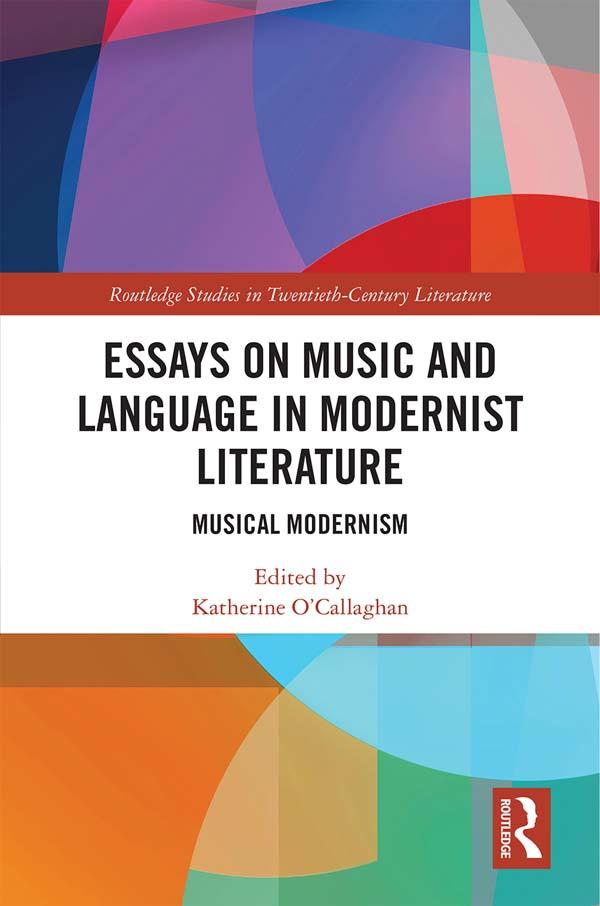
This volume explores the role of music as a source of inspiration and provocation for modernist writers. In its consideration of modernist literature within a broad political, postcolonial, and internationalist context, this book is an important intervention in the growing field of Words and Music studies. It expands the existing critical debate to include lesser-known writers alongside Joyce, Woolf, and Beckett, a wide-ranging definition of modernism, and the influence of contemporary music on modernist writers. From the rhythm of Tagore’s poetry to the influence of jazz improvisation, the tonality of traditional Irish music to the operas of Wagner, these essays reframe our sense of how music inspired Literary Modernism. Exploring the points at which the art forms of music and literature collide, repel, and combine, contributors draw on their deep musical knowledge to produce close readings of prose, poetry, and drama, confronting the concept of what makes writing "musical." In doing so, they uncover commonalities: modernist writers pursue simultaneity and polyphony, evolve the leitmotif for literary purposes, and adapt the formal innovations of twentieth-century music. The essays explore whether it is possible for literature to achieve that unity of form and subject which music enjoys, and whether literary texts can resist paraphrase, can be simply themselves. This book demonstrates how attention to the role of music in text in turn illuminates the manner in which we read literature.
Betal enkelt med kort, Klarna, Apple Pay eller Google Pay. Ikke fornøyd? Du har alltid 14 dagers angrerett. Les mer i våre vilkår. Har du spørsmål, send oss en e-post på hello@memmo.org.
Memmo gjør det enklere å studere – uansett hvor du er i verden. Hos oss samler du pensumbøker og smarte studieverktøy på ett og samme sted: sammendrag, quizer, podkaster og flashcards. Og så Ted, din studiekompis som svarer på alt du lurer på. Over 50 000 studenter studerer allerede her – bygget for at du skal lære raskere og stresse mindre.