
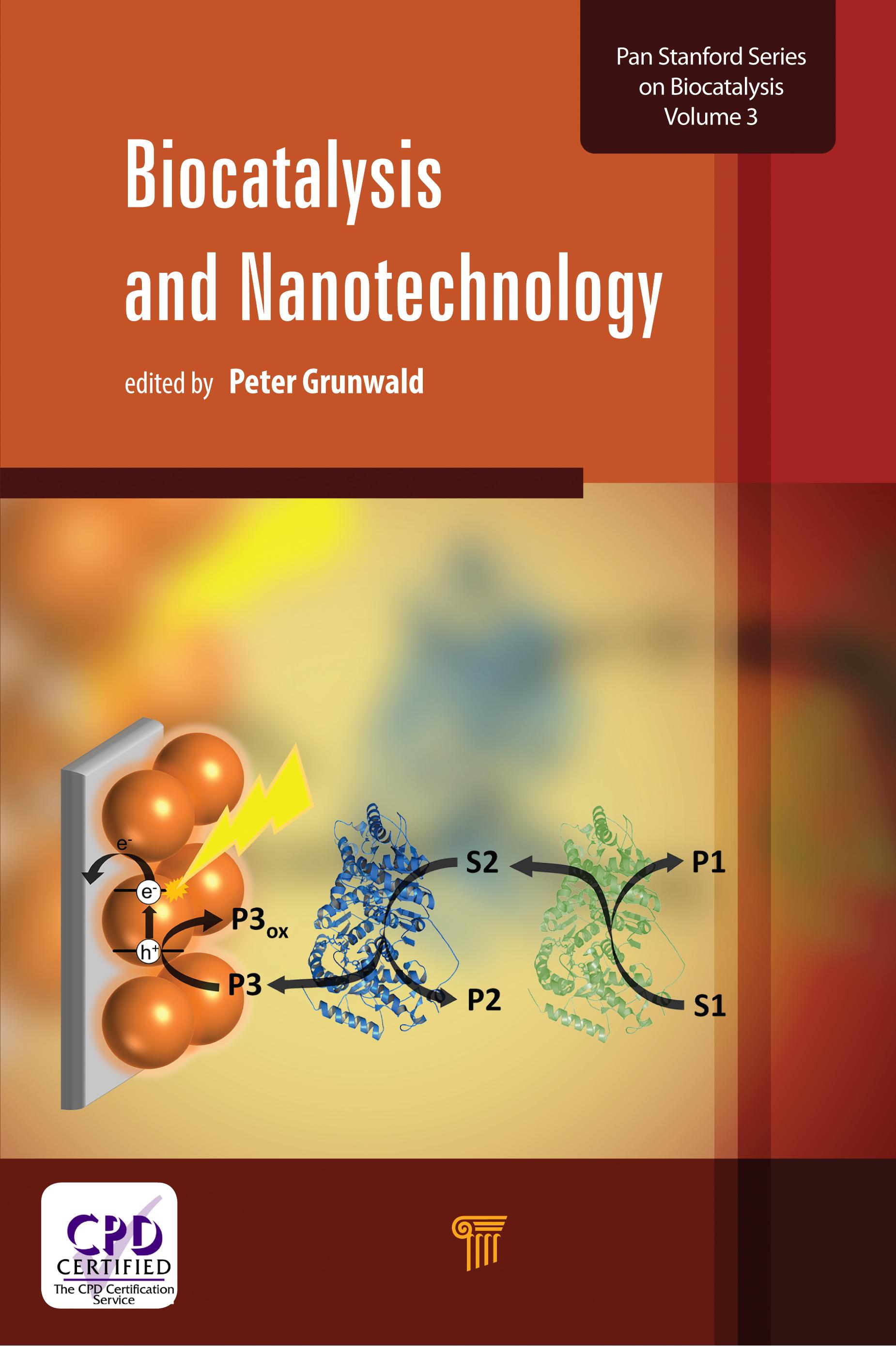
Nanobiocatalysis has rapidly developed into a subarea of enzyme biotechnology. It combines the advances in nanotechnology that have generated nanoscale materials of different sizes, shapes, and physicochemical properties, and the excellent characteristics of biocatalysts into an innovative technology. This book provides an overview of the various relations between nanotechnology and biocatalysis. It discusses the fabrication and application of nanomaterials for the immobilization of enzymes used in the sustainable production of goods and chemicals. Nanosupports have several advantages compared with bulk solid materials because of their high surface area, which results in a significantly reduced mass transfer limitation and comparatively high enzyme loading. These characteristics are also of great use for applications in the fields of enzymatic biosensors, biofuel cells, bioelectronics, and photoelectrochemical analyte detection, where conductive nanomaterials improve the rate of electron transfer. The book also presents an overview of nanotoxicology and covers nanostructured enzyme catalysis in organic solvents and its potential application for biodiesel production, probing of enzymatic activity, and identification of enzyme functions of inorganic nanoparticles as enzyme mimics.
Betal enkelt med kort, Klarna, Apple Pay eller Google Pay. Ikke fornøyd? Du har alltid 14 dagers angrerett. Les mer i våre vilkår. Har du spørsmål, send oss en e-post på hello@memmo.org.
Memmo gjør det enklere å studere – uansett hvor du er i verden. Hos oss samler du pensumbøker og smarte studieverktøy på ett og samme sted: sammendrag, quizer, podkaster og flashcards. Og så Ted, din studiekompis som svarer på alt du lurer på. Over 50 000 studenter studerer allerede her – bygget for at du skal lære raskere og stresse mindre.