
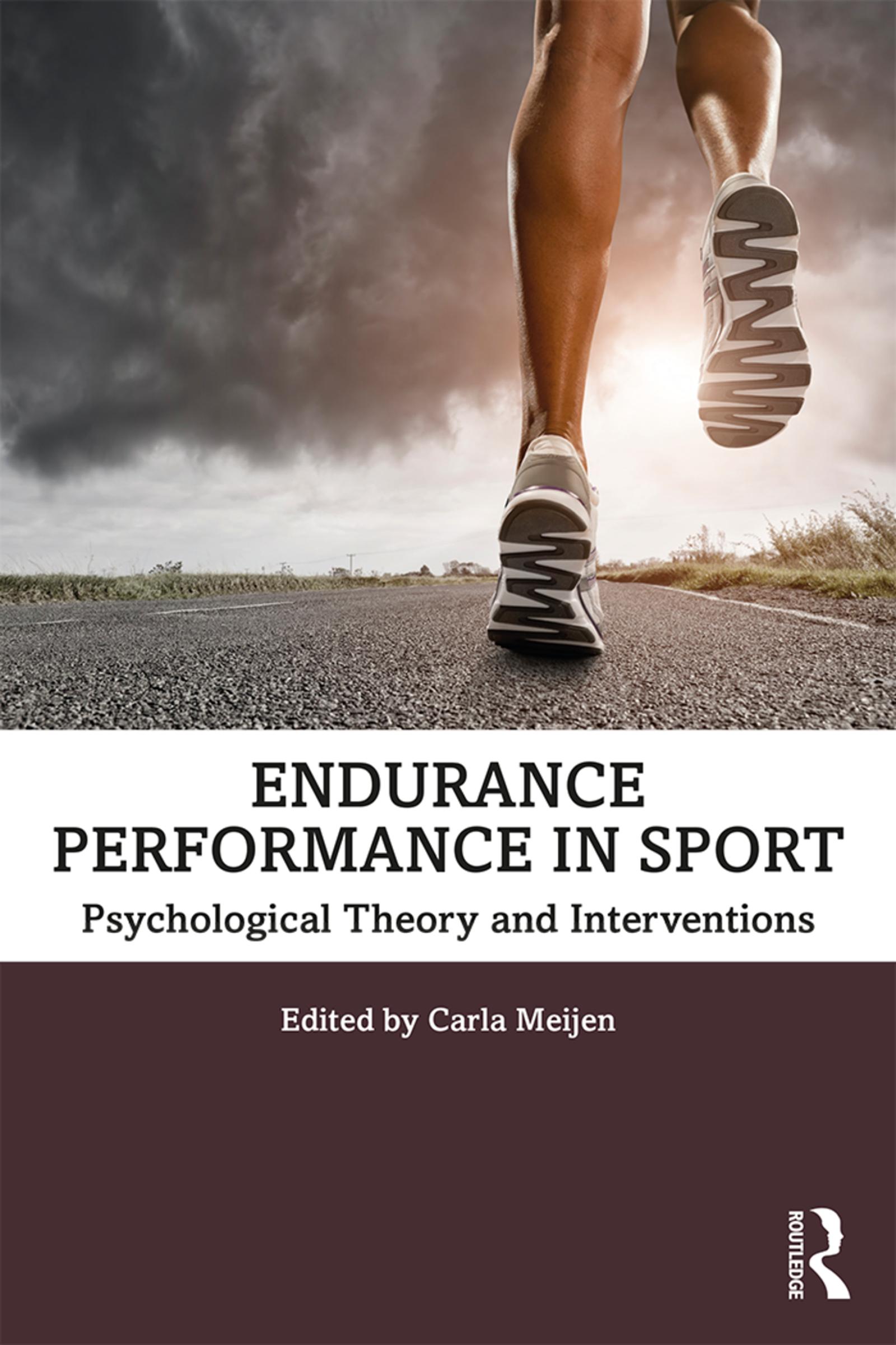
Athletes participating at all levels of endurance performance can relate to the impact of psychological factors. Whether it is motivation, self-belief, feeling nervous before a race, exercise-induced pain, sticking to a pacing strategy, or thoughts around what to focus on, there are a vast number of psychological factors which can affect endurance performance.
Bringing together experts in the field from around the world, this is the first text to provide a detailed overview of the psychology of endurance performance where there is a research and an applied focus looking at both main theoretical models as well as how interventions can support an athlete’s efficacy and well-being. The authors look at regulatory processes around pain, decision-making, self-belief, emotions, and meta-cognition, before examining a range of cognitive strategies, including the use of imagery, goals, self-talk, and mindfulness techniques. With a final section of the book outlining issues related to mental health that are relevant to endurance performance, the book shows that the future of research and application of psychological theory in endurance performance in sport is bright and thriving.
Aimed at researchers, students, coaches, and athletes themselves, this is essential reading for anyone wishing to better understand how our minds experience endurance in performance arenas, and what psychological techniques can be used to make us more efficient.
Betal enkelt med kort, Klarna, Apple Pay eller Google Pay. Ikke fornøyd? Du har alltid 14 dagers angrerett. Les mer i våre vilkår. Har du spørsmål, send oss en e-post på hello@memmo.org.
Memmo gjør det enklere å studere – uansett hvor du er i verden. Hos oss samler du pensumbøker og smarte studieverktøy på ett og samme sted: sammendrag, quizer, podkaster og flashcards. Og så Ted, din studiekompis som svarer på alt du lurer på. Over 50 000 studenter studerer allerede her – bygget for at du skal lære raskere og stresse mindre.