
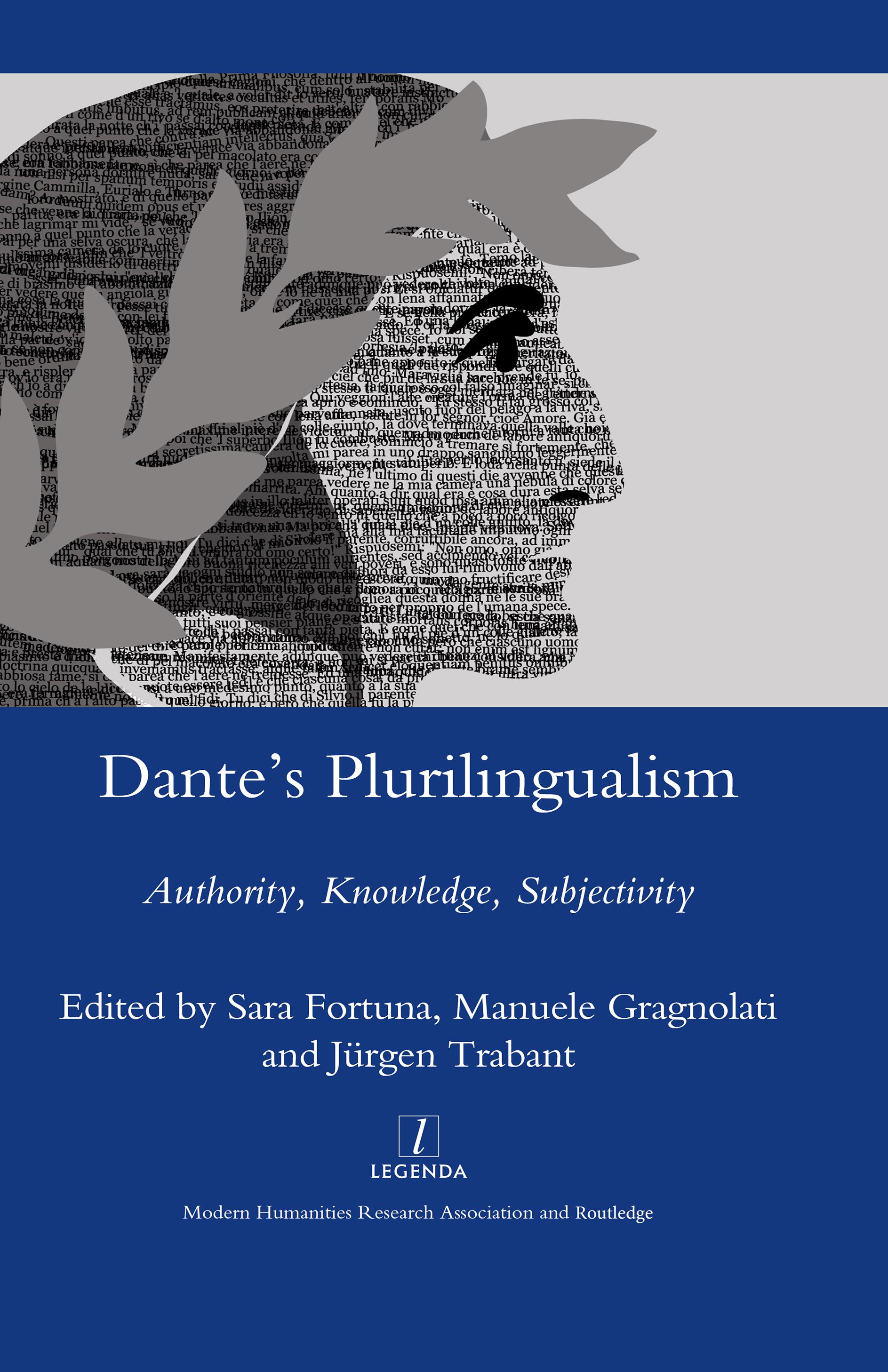
Dante's conception of language is encompassed in all his works and can be understood in terms of a strenuous defence of the volgare in tension with the prestige of Latin. By bringing together different approaches, from literary studies to philosophy and history, from aesthetics to queer studies, from psychoanalysis to linguistics, this volume offers new critical insights on the question of Dantes language, engaging with both the philosophical works characterized by an original project of vulgarization, and the poetic works, which perform a new language in an innovative and self-reflexive way. In particular, Dantes Plurilingualism explores the rich and complex way in which Dantes linguistic theory and praxis both informs and reflects an original configuration of the relationship between authority, knowledge and identity that continues to be fascinated by an ideal of unity but is also imbued with a strong element of subjectivity and opens up towards multiplicity and modernity.
Betal enkelt med kort, Klarna, Apple Pay eller Google Pay. Ikke fornøyd? Du har alltid 14 dagers angrerett. Les mer i våre vilkår. Har du spørsmål, send oss en e-post på hello@memmo.org.
Memmo gjør det enklere å studere – uansett hvor du er i verden. Hos oss samler du pensumbøker og smarte studieverktøy på ett og samme sted: sammendrag, quizer, podkaster og flashcards. Og så Ted, din studiekompis som svarer på alt du lurer på. Over 50 000 studenter studerer allerede her – bygget for at du skal lære raskere og stresse mindre.
Du vil kanskje også like
Kjøp boken0