
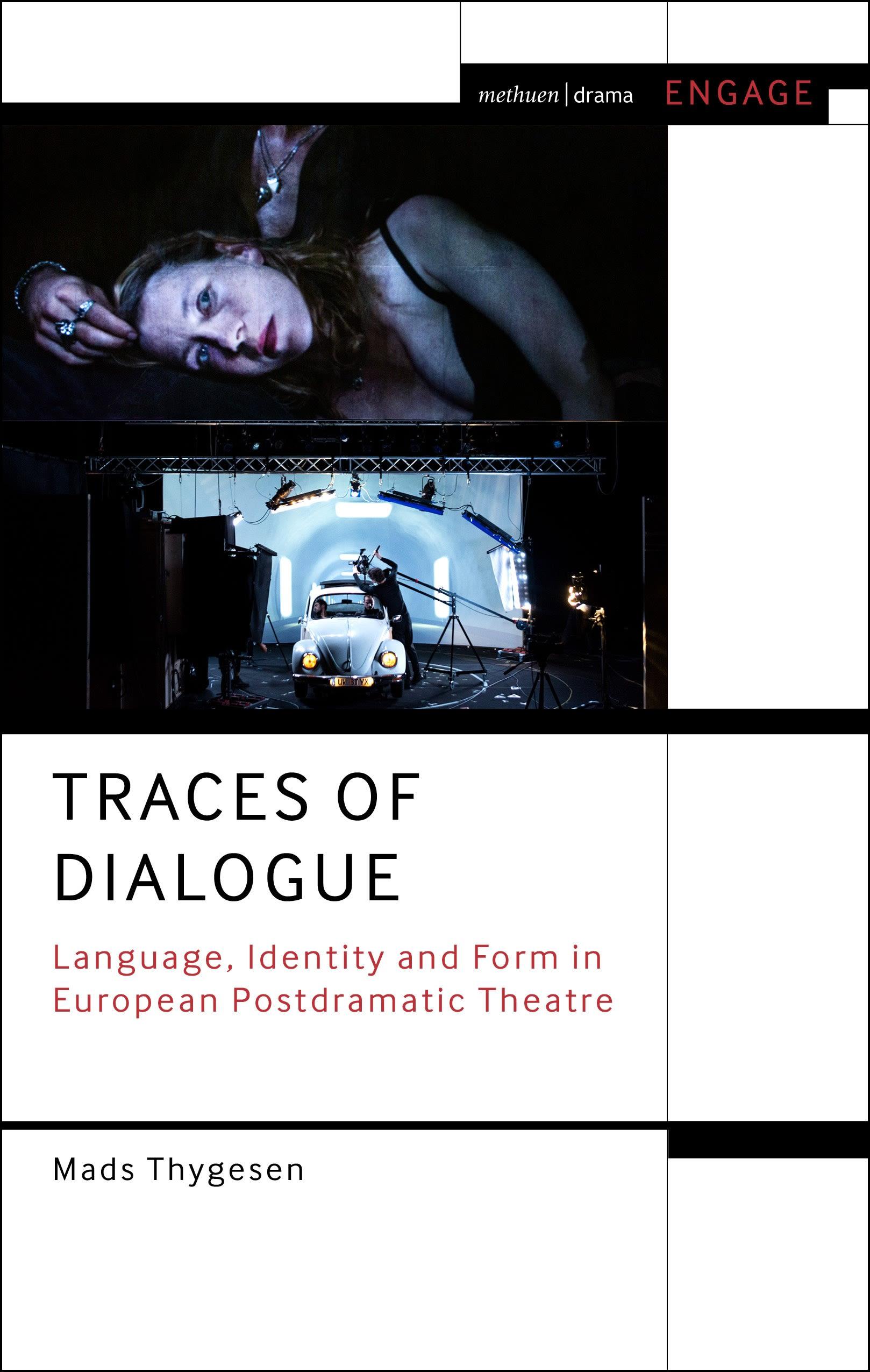
This book offers a captivating exploration of the evolving dynamics of language, dialogue and identity in modern theatre, highlighting the pioneering contributions of European playwrights Martin Crimp, Jon Fosse, Sarah Kane, Elfriede Jelinek and Roland Schimmelpfennig.
The study reveals the complex interplay between written text and theatrical performance, upending traditional perceptions of language and personal identity. It demonstrates how the work of these writers serves as a catalyst for actors, directors and designers, and encourages a deep-dive into their creative processes by interrogating their boundary-pushing works.
Covering the pivotal era of the 1990s and 2000s, the book considers the emergence of postdramatic theatre - in particular, the transition from conventional storylines and characters to avant-garde forms and narratives. It considers the role of language in crafting character identities and examines how contemporary textual approaches mirror and scrutinise the philosophical and aesthetic discussions of the late modern era.
Ultimately, this book navigates the intricacies of modern dramaturgy and lauds the transformative potential of theatre to captivate and innovate, challenging a wide readership to re-evaluate the significance of dialogue and identity in contemporary theatre.
The study reveals the complex interplay between written text and theatrical performance, upending traditional perceptions of language and personal identity. It demonstrates how the work of these writers serves as a catalyst for actors, directors and designers, and encourages a deep-dive into their creative processes by interrogating their boundary-pushing works.
Covering the pivotal era of the 1990s and 2000s, the book considers the emergence of postdramatic theatre - in particular, the transition from conventional storylines and characters to avant-garde forms and narratives. It considers the role of language in crafting character identities and examines how contemporary textual approaches mirror and scrutinise the philosophical and aesthetic discussions of the late modern era.
Ultimately, this book navigates the intricacies of modern dramaturgy and lauds the transformative potential of theatre to captivate and innovate, challenging a wide readership to re-evaluate the significance of dialogue and identity in contemporary theatre.
Betal enkelt med kort, Klarna, Apple Pay eller Google Pay. Ikke fornøyd? Du har alltid 14 dagers angrerett. Les mer i våre vilkår. Har du spørsmål, send oss en e-post på hello@memmo.org.
Memmo gjør det enklere å studere – uansett hvor du er i verden. Hos oss samler du pensumbøker og smarte studieverktøy på ett og samme sted: sammendrag, quizer, podkaster og flashcards. Og så Ted, din studiekompis som svarer på alt du lurer på. Over 50 000 studenter studerer allerede her – bygget for at du skal lære raskere og stresse mindre.