
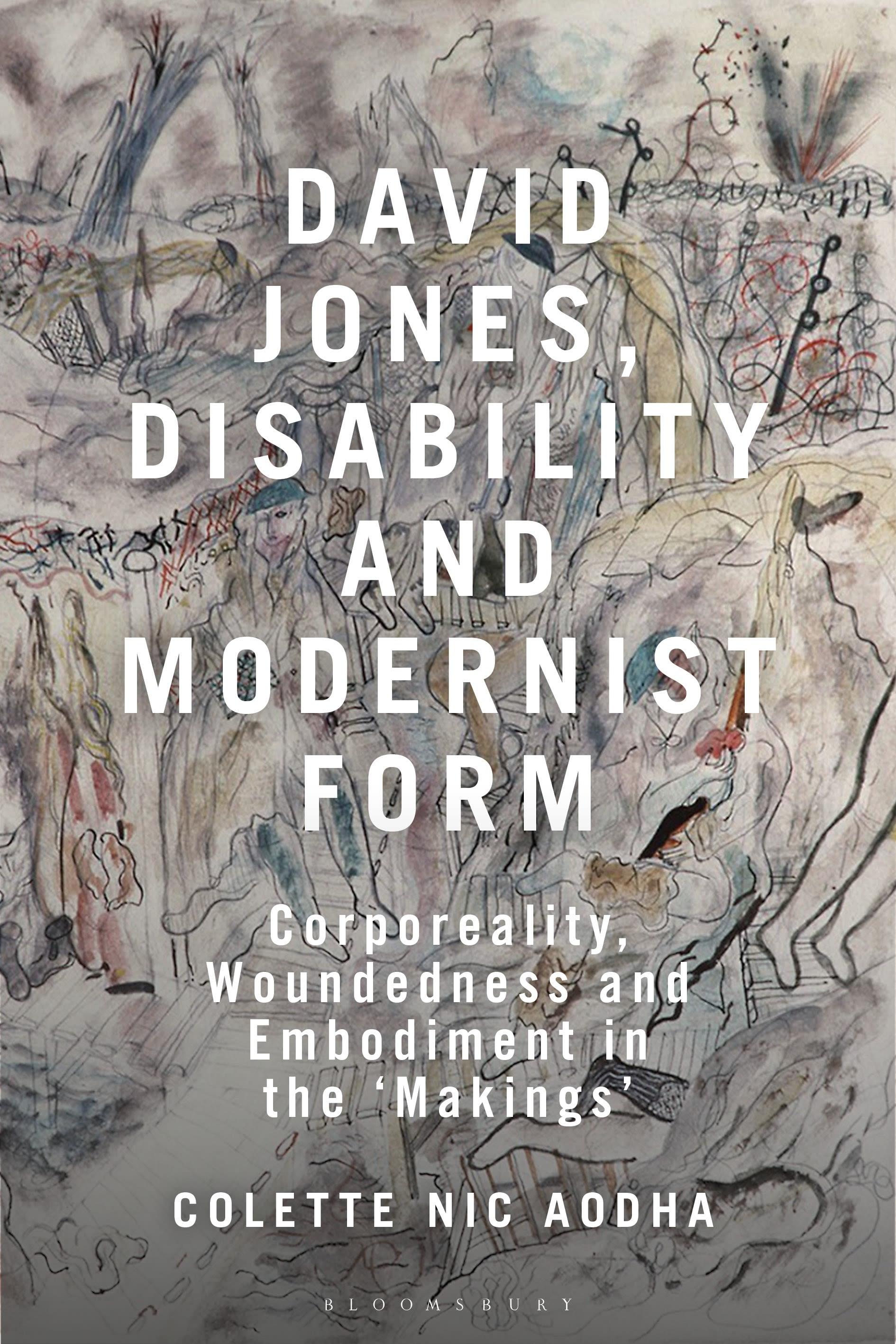
Employing a fresh theoretical approach to David Jones' work, this is the first book to use disability studies as a lens through which to consider his post-war work.
Unpacking the distinct corporeality in the work of Welsh modernist maker, poet, painter, and engraver, David Jones (1895-1974) that emerges from the trauma of Jones's participation in the Great War, this book frames the complex modes of embodiment in his post-war work. In doing so, it relates Jones's pioneering visual art and poetic form to antecedents (William Blake) and modern artists (Sarah Lucas and Damien Hirst) while using materiality to form connections between modernism, disability, and the liturgy of the Eucharist upon which Jones centres his work.
Unpacking the distinct corporeality in the work of Welsh modernist maker, poet, painter, and engraver, David Jones (1895-1974) that emerges from the trauma of Jones's participation in the Great War, this book frames the complex modes of embodiment in his post-war work. In doing so, it relates Jones's pioneering visual art and poetic form to antecedents (William Blake) and modern artists (Sarah Lucas and Damien Hirst) while using materiality to form connections between modernism, disability, and the liturgy of the Eucharist upon which Jones centres his work.
Betal enkelt med kort, Klarna, Apple Pay eller Google Pay. Ikke fornøyd? Du har alltid 14 dagers angrerett. Les mer i våre vilkår. Har du spørsmål, send oss en e-post på hello@memmo.org.
Memmo gjør det enklere å studere – uansett hvor du er i verden. Hos oss samler du pensumbøker og smarte studieverktøy på ett og samme sted: sammendrag, quizer, podkaster og flashcards. Og så Ted, din studiekompis som svarer på alt du lurer på. Over 50 000 studenter studerer allerede her – bygget for at du skal lære raskere og stresse mindre.