
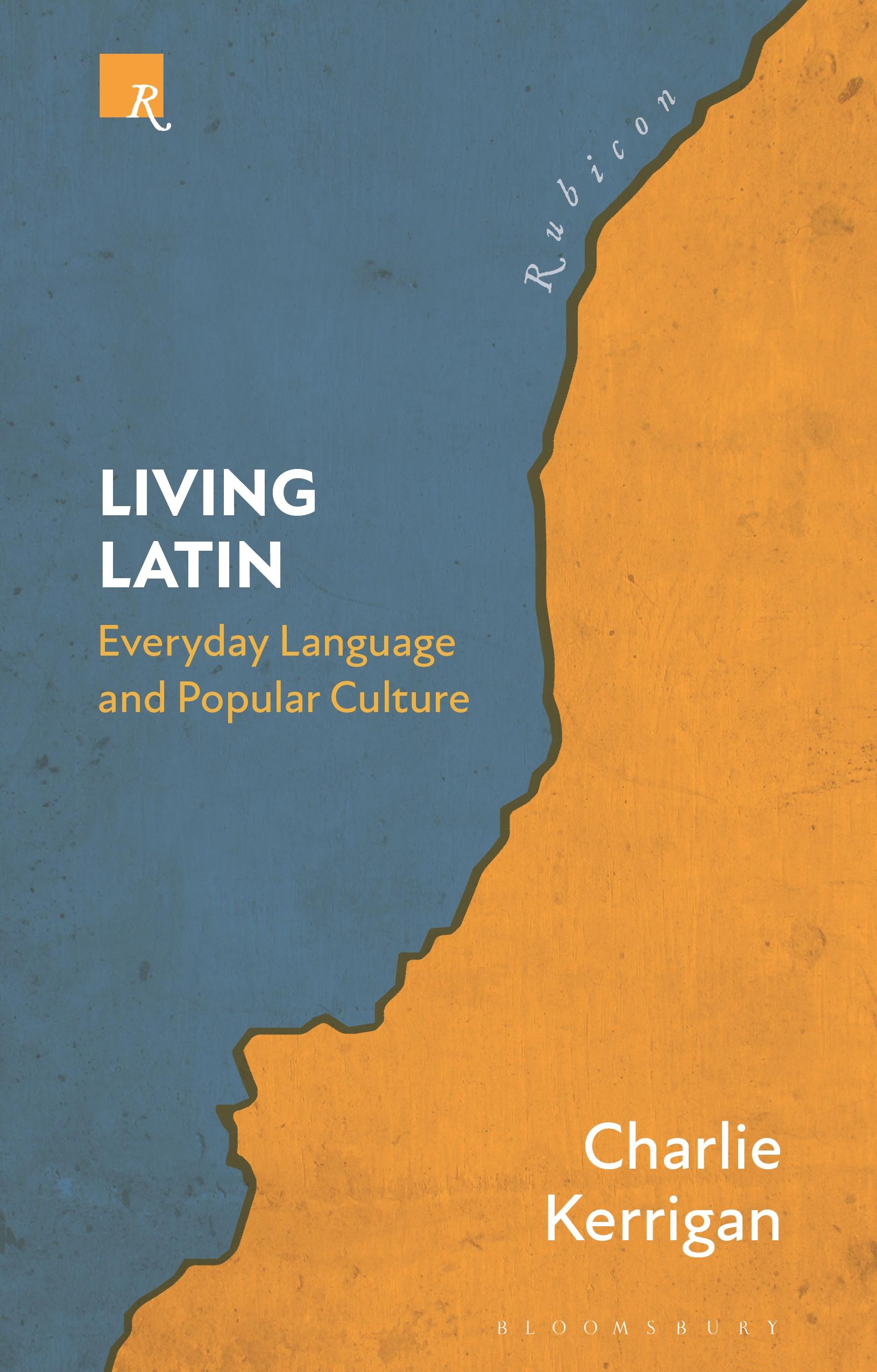
What kind of language is Latin, and who is it for? Contrary to most accounts, this book tells the story of Latin as a language of ordinary people. Surveying the whole span of the language's history, it explores the evidence that exists for ordinary Latin around the Roman world, arguing that this material is just as worthy of readers' attention as the famous classics. Those classics are reassessed in the light of popular concerns, as works of art that evoke ancient, sustainable, and communal ways of living, encompassing broad and diverse traditions of readers through time.
And of course Latin lived on: this account revisits what happened to the language after the Roman empire, tracing its twin streams - intellectual lingua franca and a series of Romance languages - into the twenty-first century. What emerges is a human chain stretching back thousands of years and still in existence today, a story of workers and weavers, violets and roses, storytellers and musicians, a common and democratic archive of world history.
Kerrigan's strong and attractive case for a new conception of Latin sends out a call to arms to reevaluate the place of Latin in history. On the one hand, an interesting and readable history of the language, on the other, this book sets out to provoke questions for readers, students, and teachers of Latin, as well as anyone interested in the ancient Mediterranean world. Latin was and should always be for all.
And of course Latin lived on: this account revisits what happened to the language after the Roman empire, tracing its twin streams - intellectual lingua franca and a series of Romance languages - into the twenty-first century. What emerges is a human chain stretching back thousands of years and still in existence today, a story of workers and weavers, violets and roses, storytellers and musicians, a common and democratic archive of world history.
Kerrigan's strong and attractive case for a new conception of Latin sends out a call to arms to reevaluate the place of Latin in history. On the one hand, an interesting and readable history of the language, on the other, this book sets out to provoke questions for readers, students, and teachers of Latin, as well as anyone interested in the ancient Mediterranean world. Latin was and should always be for all.
Betal enkelt med kort, Klarna, Apple Pay eller Google Pay. Ikke fornøyd? Du har alltid 14 dagers angrerett. Les mer i våre vilkår. Har du spørsmål, send oss en e-post på hello@memmo.org.
Memmo gjør det enklere å studere – uansett hvor du er i verden. Hos oss samler du pensumbøker og smarte studieverktøy på ett og samme sted: sammendrag, quizer, podkaster og flashcards. Og så Ted, din studiekompis som svarer på alt du lurer på. Over 50 000 studenter studerer allerede her – bygget for at du skal lære raskere og stresse mindre.