
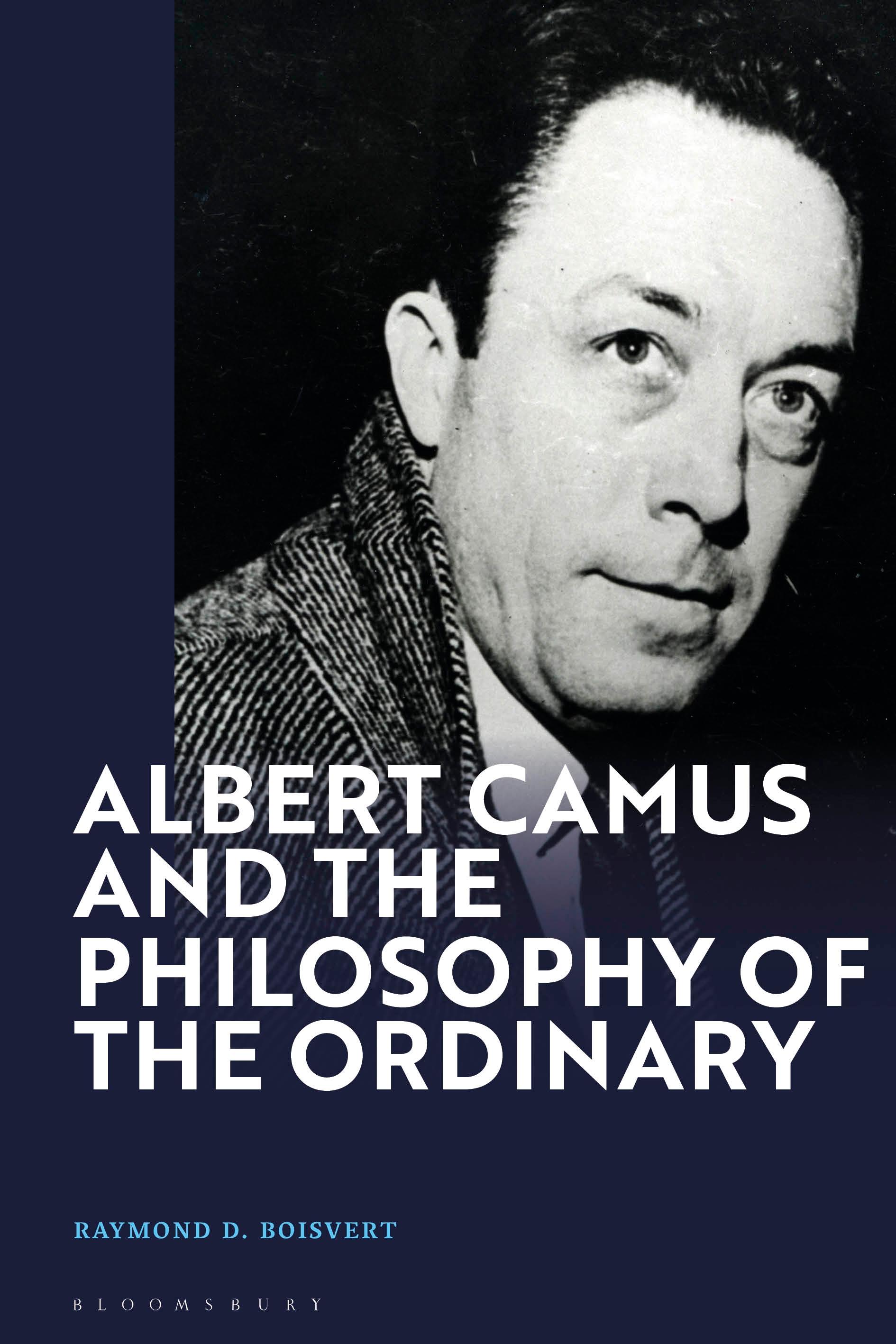
The standard interpretation keeps repeating that Camus is the prototypical “absurdist” thinker. Such a reading freezes Camus at the stage at which he wrote The Stranger and The Myth of Sisyphus. By taking seriously how (1) Camus was always searching and (2) the rest of his corpus, Albert Camus and the Philosophy of the Ordinary corrects the one-sided, and thus faulty, depiction of Camus as committed to a philosophy of absurdism. His guiding project, which he explicitly acknowledged, was an attempt to get beyond nihilism, the general dismissal of value and meaning in ordinary life. Tracing this project via Camus's works, Albert Camus and the Philosophy of the Ordinary, offers a new lens for thinking about the well-known author.
Betal enkelt med kort, Klarna, Apple Pay eller Google Pay. Ikke fornøyd? Du har alltid 14 dagers angrerett. Les mer i våre vilkår. Har du spørsmål, send oss en e-post på hello@memmo.org.
Memmo gjør det enklere å studere – uansett hvor du er i verden. Hos oss samler du pensumbøker og smarte studieverktøy på ett og samme sted: sammendrag, quizer, podkaster og flashcards. Og så Ted, din studiekompis som svarer på alt du lurer på. Over 50 000 studenter studerer allerede her – bygget for at du skal lære raskere og stresse mindre.