
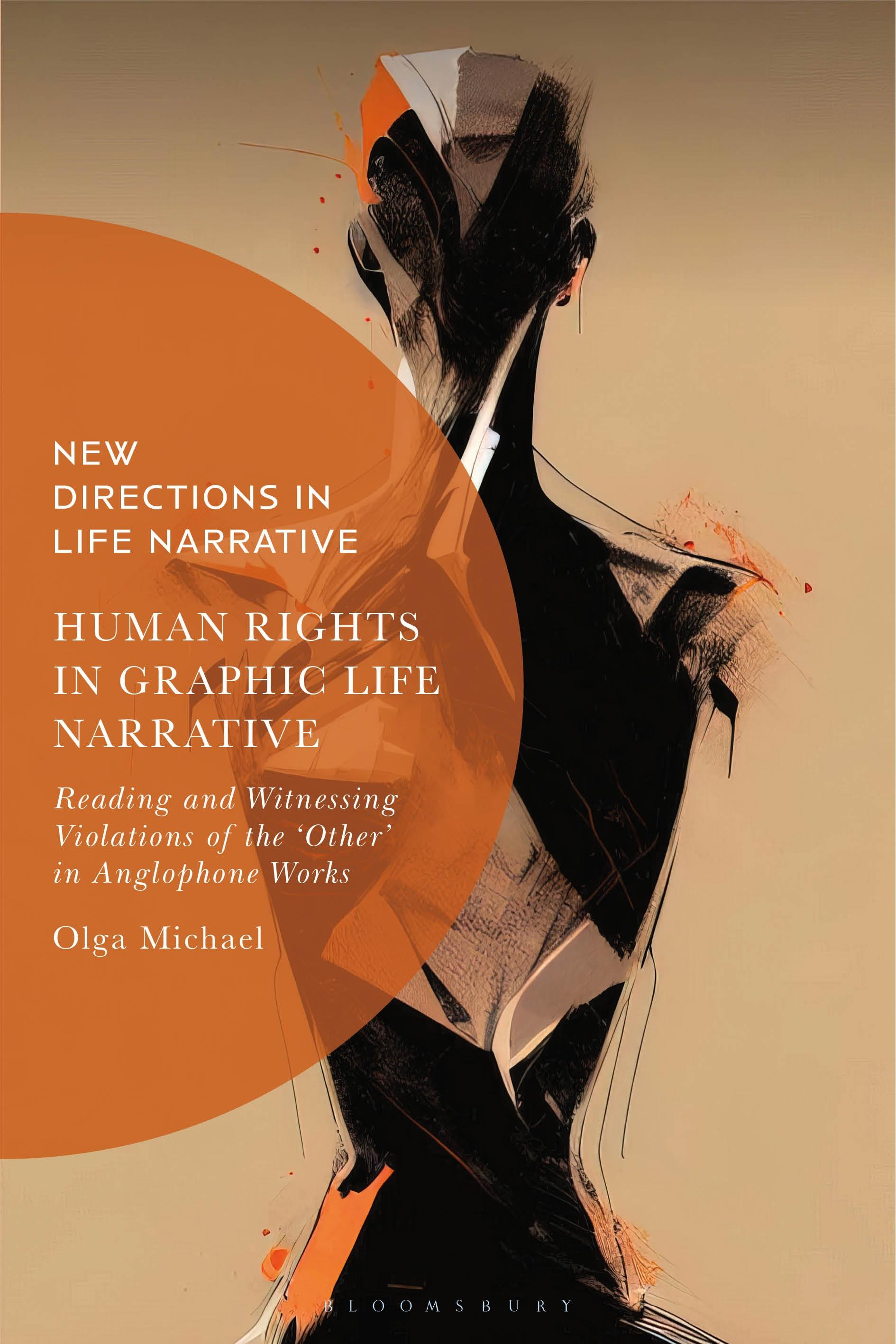
Surveying print and digital graphic life narratives about people who become 'othered' within Western contexts, this book investigates how comics and graphic novels witness human rights transgressions in contemporary Anglophone culture and how they can promote social justice. With thought given to how the graphic form can offer a powerful counterpoint to the legal, humanitarian and media discourses that dehumanise the most violated and dispossessed, but also how these works may unconsciously reproduce Western neo-colonial presentations of the 'other,' Olga Michael focuses on gender, death, space, and border violence within graphic life narratives depicting suffering across different geo- and biopolitical locations. Combining the familiar with the lesser-known, this book covers works by artists such as Joe Sacco, Thi Bui, Mia Kirshner, Phoebe Gloeckner, Kamel Khélif, Francesca Sanna, Gabi Froden, Benjamin Dix and Lindsay Pollock, as well as Safdar Ahmed and Ali Dorani/Eaten Fish.
Interdisciplinary in its consideration of life writing, comics and human rights studies, and comparative in approach, this book explores such topics as the aesthetics of visualised suffering; spatial articulations of human rights violations; the occurrence of violations whilst crossing borders; the gendered dimensions of visually captured violence; and how human rights discourses intersect with graphic depictions of the dead. In so doing, Michael establishes how to read human rights and social justice comics in relation to an escalating global crisis and deftly complicates negotiations of 'otherness.' A vitally important work to the humanities sector, this book underscores the significance of postcolonial decolonized reading acts as forms of secondary witness.
Interdisciplinary in its consideration of life writing, comics and human rights studies, and comparative in approach, this book explores such topics as the aesthetics of visualised suffering; spatial articulations of human rights violations; the occurrence of violations whilst crossing borders; the gendered dimensions of visually captured violence; and how human rights discourses intersect with graphic depictions of the dead. In so doing, Michael establishes how to read human rights and social justice comics in relation to an escalating global crisis and deftly complicates negotiations of 'otherness.' A vitally important work to the humanities sector, this book underscores the significance of postcolonial decolonized reading acts as forms of secondary witness.
Sider: 272
Kategori: Litteraturvetenskap & Teori
e-ISBN: 9781350329775
Fraktvekt: 1.2 kg
Sendes innen: 1-2 dager
Betal enkelt med kort, Klarna, Apple Pay eller Google Pay. Ikke fornøyd? Du har alltid 14 dagers angrerett. Les mer i våre vilkår. Har du spørsmål, send oss en e-post på hello@memmo.org.
Memmo gjør det enklere å studere – uansett hvor du er i verden. Hos oss samler du pensumbøker og smarte studieverktøy på ett og samme sted: sammendrag, quizer, podkaster og flashcards. Og så Ted, din studiekompis som svarer på alt du lurer på. Over 50 000 studenter studerer allerede her – bygget for at du skal lære raskere og stresse mindre.