
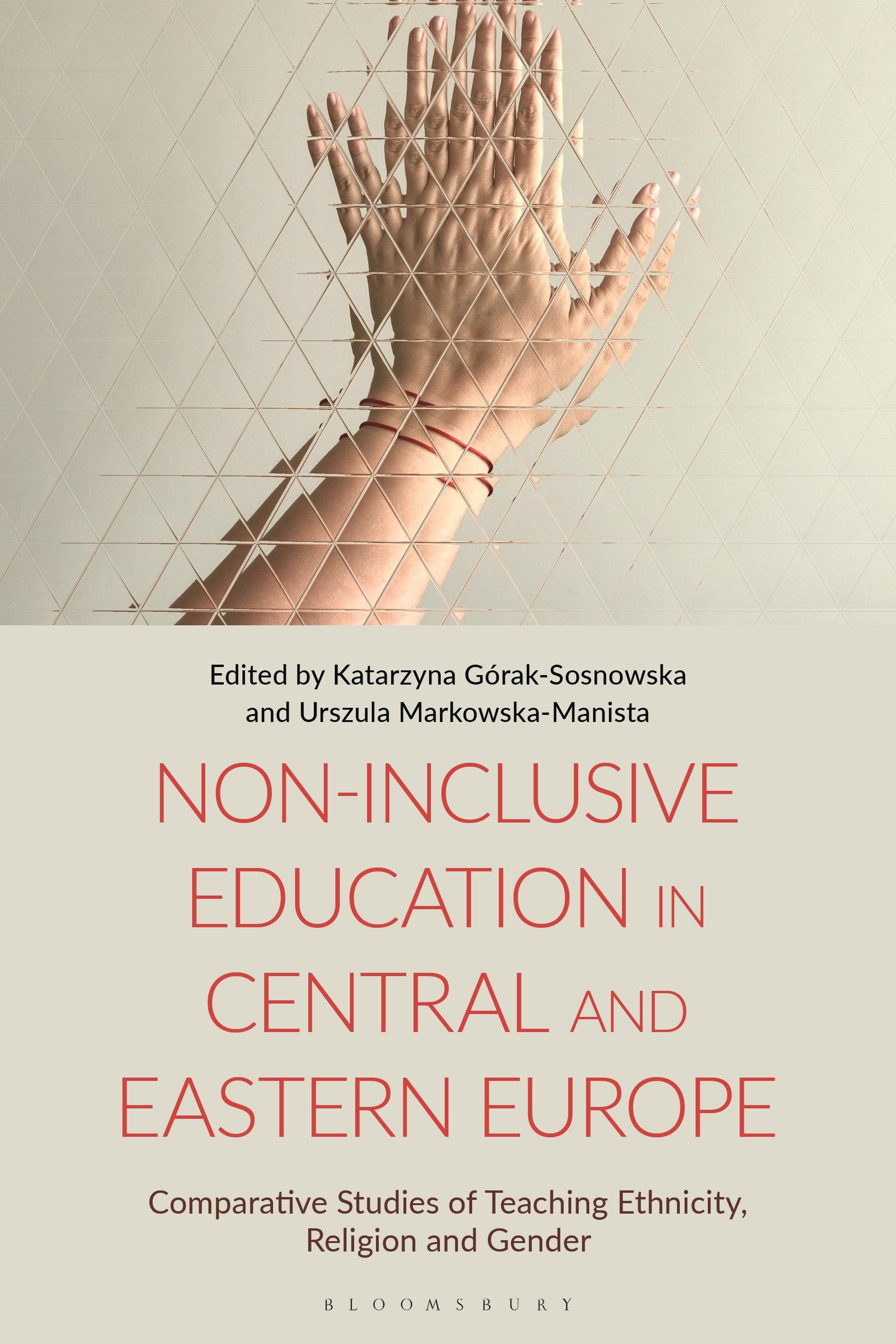
This book presents research into inclusive education in Central and Eastern Europe (CEE), written by scholars based in CEE. Inclusive education has become a framework for understanding and embracing diversity but most of the research in this area has been carried out in intercultural or culturally diverse settings within a relatively inclusive and open framework of democratic/liberal and multicultural Western societies. Unlike many Western societies, the realities of CEE countries are often much less diverse and connected with different fragile historical and political processes, which puts tackling sensitive topics in a different context. The editors and contributors address the dominant Western ways of looking at inclusive and global education in CEE. They argue that Western leveraged pedagogy has been imposed on CEE and outline the context-specific problems of teaching global education in CEE. Collectively, the chapters offer critical responses to the issues of exclusion and exclusionary practices of 'silenced' minorities in CEE. Written by academics based in Czech Republic, Germany, Hungary Poland, Romania and Russia, the book cover topics including Roma genocide in Poland, teaching about Islam and teaching about LGBTQ+ issues. The book includes a preface written by Jacqueline Bhabha, Professor of the Practice of Health and Human Rights at Harvard University, USA.
Betal enkelt med kort, Klarna, Apple Pay eller Google Pay. Ikke fornøyd? Du har alltid 14 dagers angrerett. Les mer i våre vilkår. Har du spørsmål, send oss en e-post på hello@memmo.org.
Memmo gjør det enklere å studere – uansett hvor du er i verden. Hos oss samler du pensumbøker og smarte studieverktøy på ett og samme sted: sammendrag, quizer, podkaster og flashcards. Og så Ted, din studiekompis som svarer på alt du lurer på. Over 50 000 studenter studerer allerede her – bygget for at du skal lære raskere og stresse mindre.